
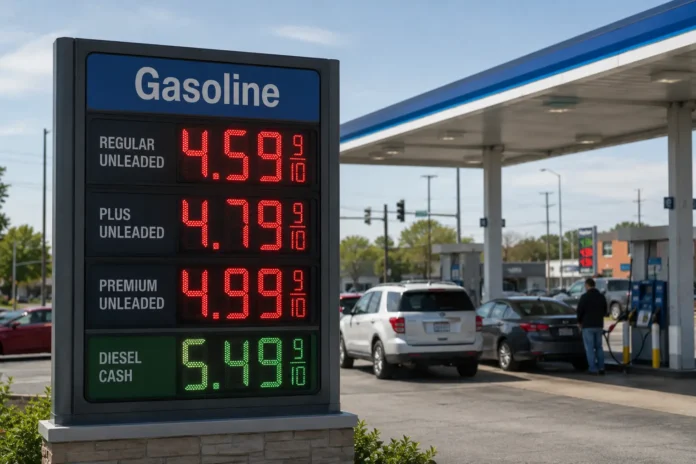
Americans check gas prices almost as often as they check the weather. A few cents increase at the pump can spark frustration, political debates, and endless social media arguments. Yet many people still wonder why gasoline prices seem to change constantly and why one state can pay significantly more than another.
The truth is that gas prices are influenced by a surprisingly complex mix of global events, oil markets, refining costs, taxes, seasonal demand, and even hurricanes. A conflict thousands of miles away or an unexpected refinery outage in Texas can quickly affect what drivers pay in California, Florida, or Ohio.
Understanding why gas prices rise and fall isn’t just about economics. It offers a window into how interconnected America’s economy has become.
Why Americans Care So Much About Gas Prices
Unlike many household expenses that arrive monthly, gasoline prices are impossible to ignore. Drivers see them displayed in giant numbers every time they pass a station.
Gasoline affects nearly everything:
- Daily commutes.
- Grocery prices.
- Airline tickets.
- Shipping costs.
- Inflation.
- Family budgets.
For millions of Americans, fuel expenses represent a significant part of monthly spending. Even a 50-cent increase per gallon can add hundreds of dollars annually for households with multiple vehicles.
That’s why gas prices often become a major political issue and a key indicator of economic sentiment.
Oil Is the Biggest Factor
Gasoline begins with crude oil.
Crude oil accounts for roughly half of what consumers pay at the pump. Since oil is traded globally, events occurring anywhere in the world can impact prices in the United States.
Major oil-producing countries include:
- United States
- Saudi Arabia
- Russia
- Canada
- Iraq
- United Arab Emirates
When oil prices rise, gasoline typically becomes more expensive.
What Causes Oil Prices to Increase?
Several factors can drive oil prices higher:
Wars and Geopolitical Tensions
Conflicts in the Middle East, sanctions on Russia, or instability in major oil-producing regions can disrupt supplies.
Traders often anticipate shortages, pushing prices upward before actual supply disruptions even occur.
OPEC Decisions
The Organization of the Petroleum Exporting Countries (OPEC) controls a substantial portion of global oil production.
When OPEC cuts production, oil becomes scarcer, often leading to higher prices.
When production increases, prices may decline.
Economic Growth
Strong economies consume more fuel.
When global demand rises, oil prices tend to climb because more countries and industries are competing for the same supply.
Refining Costs Matter Too
Crude oil cannot be poured directly into vehicles.
It must first be processed into gasoline at refineries.
Refining costs account for roughly 15 to 20 percent of gas prices.
America has fewer refineries today than it did decades ago. Although existing facilities have become more efficient, any disruption can create problems.
Refinery Outages
Unexpected shutdowns caused by:
- Mechanical failures.
- Maintenance work.
- Hurricanes.
- Fires.
can reduce gasoline supply and push prices higher.
Refineries along the Gulf Coast are especially important because they process a huge portion of America’s fuel.
Supply and Demand Always Win
Gasoline prices follow the same basic economic principle as almost everything else.
When demand exceeds supply, prices rise.
When supply exceeds demand, prices fall.
Summer Driving Season
Prices usually increase between spring and summer because Americans travel more.
Road trips, vacations, and increased driving create stronger demand.
This seasonal pattern occurs almost every year.
Winter Months
Gas prices often decline in late fall and winter because demand drops after summer vacations end.
People drive less, reducing pressure on supplies.
Seasonal Gasoline Blends Affect Prices
Many Americans don’t realize that gasoline formulas change throughout the year.
Summer gasoline blends are designed to reduce air pollution and smog.
These blends are:
- More environmentally friendly.
- More expensive to produce.
As refineries switch from winter to summer blends, prices often rise.
This transition usually contributes to springtime increases.
Hurricanes Can Send Prices Higher
Weather plays a surprisingly large role.
The Gulf Coast houses many refineries and oil facilities.
Major hurricanes affecting Texas or Louisiana can:
- Shut down refineries.
- Interrupt pipelines.
- Delay shipments.
Even temporary disruptions can tighten supplies and push prices higher nationwide.
Hurricanes Katrina, Harvey, and Ida all caused fuel price spikes across America.
Why Gas Prices Differ by State
Drivers often notice huge differences between states.
California regularly has some of the highest gasoline prices in America, while Texas and Mississippi often have lower prices.
Several factors explain the difference.
State Taxes
Taxes vary dramatically.
California imposes significantly higher fuel taxes compared with many southern states.
Those taxes help fund transportation infrastructure but also raise pump prices.
Environmental Regulations
California requires special gasoline formulations that are cleaner-burning but more expensive to refine.
These regulations improve air quality but increase costs.
Distance From Refineries
States located far from refining centers may face higher transportation costs.
Remote regions sometimes experience larger price swings because fuel deliveries are more complicated.
Pipelines Keep America Moving
Most Americans never think about pipelines, but they are critical to fuel distribution.
The Colonial Pipeline, for example, supplies gasoline to much of the East Coast.
When the Colonial Pipeline was shut down in 2021 due to a cyberattack, panic buying caused shortages and price spikes across several states.
Without pipelines, gasoline would need to move entirely by trucks, railroads, or ships, making it more expensive.
Inflation Plays a Role
Inflation affects nearly every part of the fuel industry.
Rising costs for:
- Labor.
- Equipment.
- Transportation.
- Maintenance.
eventually contribute to higher gasoline prices.
The inflation surge following the COVID-19 pandemic highlighted how broader economic conditions can influence fuel costs.
The Value of the Dollar Matters
Oil is traded globally in U.S. dollars.
When the dollar strengthens, oil becomes relatively cheaper for Americans.
When the dollar weakens, oil prices may rise.
Currency fluctuations don’t usually cause dramatic overnight changes, but they influence long-term trends.
Can Presidents Control Gas Prices?
This question sparks endless political arguments.
The answer is both yes and no.
Presidents have some influence through:
- Energy policies.
- Strategic Petroleum Reserve releases.
- Regulations.
- International diplomacy.
However, presidents cannot directly control global oil prices.
Most gas price movements are driven by worldwide markets rather than decisions made in Washington.
That explains why prices rise and fall under administrations of both parties.
Why Election Years Bring More Debate
Gasoline prices become especially political during election years.
Candidates often promise:
- Lower energy costs.
- Increased oil production.
- Reduced regulations.
- Expanded drilling.
But presidents inherit many factors already in motion.
Global oil demand, wars, refinery capacity, and OPEC decisions can outweigh domestic policies.
That’s why no president has complete control over what drivers pay.
How Electric Vehicles Could Change Everything
The growing adoption of electric vehicles may gradually reduce gasoline demand.
Companies like Tesla, Ford, General Motors, and Hyundai are investing billions into EV production.
As more Americans switch to electric cars:
- Gasoline demand could decline.
- Oil consumption might decrease.
- Long-term price pressures may ease.
However, the transition will take decades.
Gasoline-powered vehicles still dominate American roads, meaning fuel prices will remain economically important for years.
Why California Usually Pays More
California deserves special attention because drivers there consistently face the nation’s highest gas prices.
Reasons include:
Higher Taxes
California imposes some of America’s highest fuel taxes.
Unique Fuel Standards
Special gasoline blends reduce pollution but limit supply flexibility.
Limited Refining Capacity
Few refineries produce California’s specialized fuel.
If one refinery experiences problems, prices can spike quickly.
Geography
California is relatively isolated from major refining centers elsewhere in the country.
These factors combine to create higher average prices compared with states like Texas or Oklahoma.
Why Prices Sometimes Fall Quickly
Gas prices don’t only rise.
Prices often decline because of:
- Increased oil production.
- Reduced global demand.
- Economic slowdowns.
- OPEC production increases.
- Falling crude oil prices.
During the early months of the COVID-19 pandemic, travel collapsed and gasoline demand plunged.
Prices briefly reached some of the lowest levels seen in years.
In some regions, gas even dropped below $2 per gallon.
Will America Ever Escape Gas Price Volatility?
Probably not.
Gasoline prices are influenced by countless variables:
- Wars.
- Weather.
- Global demand.
- OPEC decisions.
- Refineries.
- Politics.
- Inflation.
- Seasonal changes.
Because these forces constantly evolve, price fluctuations are likely to remain part of everyday life.
However, advances in renewable energy, improved fuel efficiency, and electric vehicles may eventually reduce America’s dependence on gasoline.
The Bottom Line
Gas prices may seem mysterious, but they are shaped by a combination of economics, geopolitics, weather, infrastructure, and consumer demand.
The numbers displayed on gas station signs represent far more than fuel costs. They reflect global events, refinery operations, government policies, and market psychology.
While politicians often receive praise or blame when prices change, the reality is far more complicated.
Understanding why gas prices rise and fall helps explain not only what Americans pay at the pump, but also how deeply connected the U.S. economy is to events occurring around the world.
For better or worse, gasoline remains one of the most visible reminders that local wallets are influenced by global forces.