













By Ronald Kapper
The Signal We Never Thought Twice About
For more than a century, humanity has been shouting into the void without even realizing it. Every radio broadcast, every military radar pulse, every satellite transmission has quietly expanded outward into space, traveling light-years away from Earth like ripples across a cosmic ocean. For decades, scientists believed this was harmless, even hopeful, as it meant that if intelligent life existed elsewhere, they might hear us and respond.
But what if that assumption was dangerously wrong?
What if the silence we hear from the universe is not emptiness, but caution?
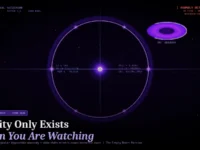
In 2026, a wave of controversial leaks known as the “Immaculate Constellation” files began circulating among defense insiders, journalists, and independent researchers. While none of these documents have been officially confirmed, they have ignited a new and deeply unsettling conversation. At the center of this storm is something now referred to as the “Yemen Orb,” a strange aerial object reportedly tracked over remote regions, behaving in ways that defy conventional aircraft or known drone systems.
And for some theorists, this object is not just another unexplained aerial phenomenon. It may be something far more disturbing—a watcher.
What Is the “Yemen Orb”?

The so-called Yemen Orb is described in leaked discussions as a silent, glowing object observed hovering at high altitudes, capable of remaining stationary for long periods before accelerating at speeds that would destroy conventional aircraft. Witnesses reportedly describe it as spherical, emitting a faint but consistent light, and showing no visible propulsion system.
While details remain unverified, what has made this case different from past sightings is the context in which it appears. According to the leaks, this object was not simply passing through or behaving randomly. It appeared to be observing.
There are claims that it maintained position over sensitive regions, including areas with minimal human activity, almost as if it was monitoring rather than exploring. This distinction has led some analysts to suggest that the object may not be a visitor in the traditional sense, but something that has been here for far longer than we think.
And that is where the conversation takes a darker turn.
Understanding the Dark Forest Theory
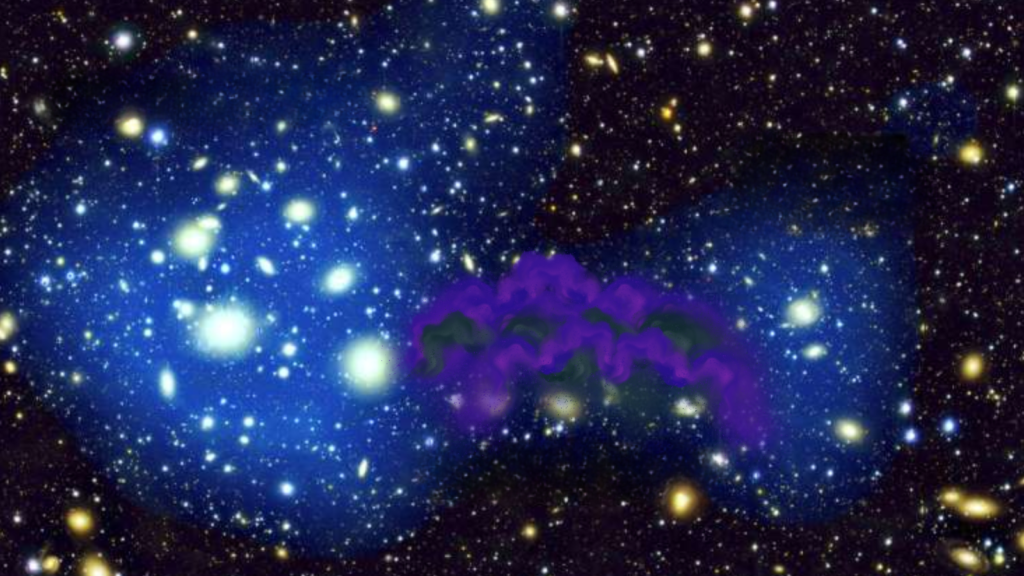
The Dark Forest theory, originally popularized in science fiction, presents a chilling explanation for one of humanity’s biggest questions: why is the universe so quiet?
The idea is simple, but terrifying. Imagine a vast, dark forest at night. Every civilization is like a hunter moving silently through the trees. No one dares to make a sound, because any noise could reveal their position to something far more dangerous.
In this theory, the reason we have not detected intelligent life is not because it does not exist, but because every advanced civilization understands the same rule—stay hidden or risk destruction.
The logic behind this is rooted in survival. If you detect another civilization, you have no way of knowing their intentions. They could be peaceful, or they could be a threat. The safest move, according to this idea, is to eliminate the risk before it grows.
Now consider what humanity has done over the past hundred years.
We have been broadcasting our existence loudly and continuously.
The Predator Theory: Who—or What—Is Listening?
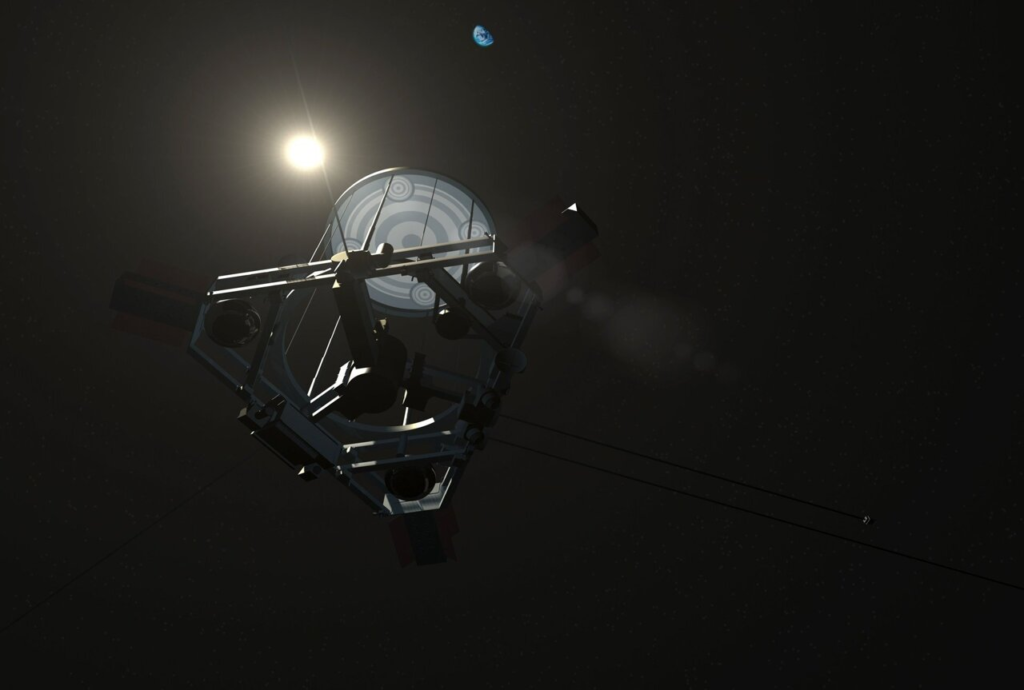
Building on the Dark Forest concept is something even more unsettling, often referred to as the Predator Theory. This idea suggests that advanced civilizations may not even need to act directly. Instead, they could deploy automated systems—self-replicating probes or drones—that patrol the galaxy, scanning for emerging civilizations.
These “lurkers,” as some theorists call them, would operate silently, waiting for a signal. The moment a young civilization becomes detectable, the system would respond, possibly by neutralizing the threat before it has the chance to expand.
This is not just science fiction speculation. Variations of this concept have been discussed in academic circles under ideas like von Neumann probes—machines capable of reproducing themselves and spreading across space without direct oversight.
If such systems exist, they could be ancient, built by civilizations long gone, still carrying out their original purpose.
And if that is true, then the question becomes deeply uncomfortable.
What if the Yemen Orb is one of them?
The 2026 Turning Point: A Planet That Became Visible
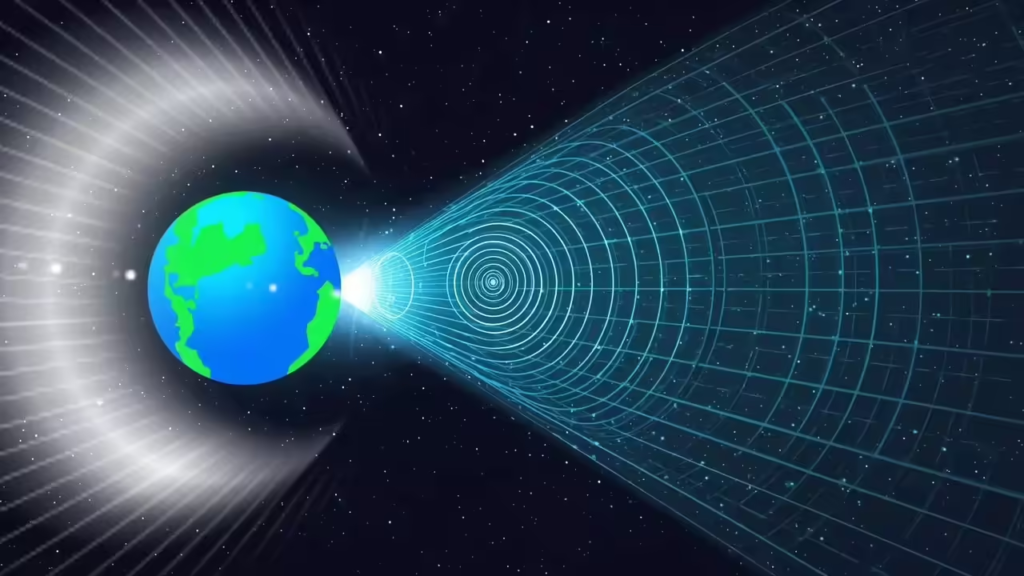
For decades, Earth’s signals have been relatively weak on a cosmic scale. But in recent years, that has changed dramatically. The expansion of satellite networks, high-powered radar systems, and global communications infrastructure has increased our electromagnetic footprint significantly.
By 2026, humanity has effectively turned its planet into a bright, detectable source of activity.
Some researchers have described this shift as moving from a whisper to a lighthouse.
And in the context of the Dark Forest theory, that is not a good thing.
If the theory holds even a small degree of truth, then increasing our visibility could carry consequences we are not prepared for. The idea that we might have crossed a threshold—from being unnoticed to being visible—is what makes the current moment feel different.
It is not just about whether we are alone anymore.
It is about whether we have been noticed.
Why the Silence Might Not Be Comforting

For years, scientists have pointed to the lack of confirmed extraterrestrial contact as evidence that intelligent life may be rare. But the Dark Forest perspective flips that assumption entirely.
Silence does not mean absence.
It may mean discipline.
In a universe where survival depends on remaining hidden, silence becomes the norm. Every civilization that survives long enough learns the same lesson: do not broadcast your location.
From this viewpoint, humanity’s behavior looks less like curiosity and more like recklessness.
We are not hiding.
We are announcing ourselves.
Separating Evidence from Speculation
It is important to approach these ideas with caution. The Yemen Orb, the Immaculate Constellation leaks, and the Predator Theory all exist in a space where verified facts and speculative interpretation overlap.
There is currently no confirmed evidence that the Yemen Orb is extraterrestrial, nor is there proof that self-replicating hunter drones exist in our galaxy. Governments have not officially validated the leaks, and many experts remain skeptical of the claims.
However, what makes this conversation significant is not just the evidence, but the questions it raises.
For the first time, a growing number of researchers and analysts are considering not just the possibility of extraterrestrial life, but the risks associated with being detected.
That shift in thinking marks a major change in how we approach the search for life beyond Earth.
The Psychological Impact of the Theory

Beyond science and speculation, the Dark Forest idea taps into something deeply human—fear of the unknown.
The concept that the universe could be filled with unseen dangers changes how we view our place in it. Space is no longer just a frontier of exploration. It becomes a landscape where caution may be the key to survival.
This does not mean we should stop exploring or communicating. But it does suggest that we need to think carefully about how we present ourselves to the cosmos.
The idea that we might not be alone is exciting.
The idea that being noticed could be dangerous is something else entirely.
Could We Already Be Observed?
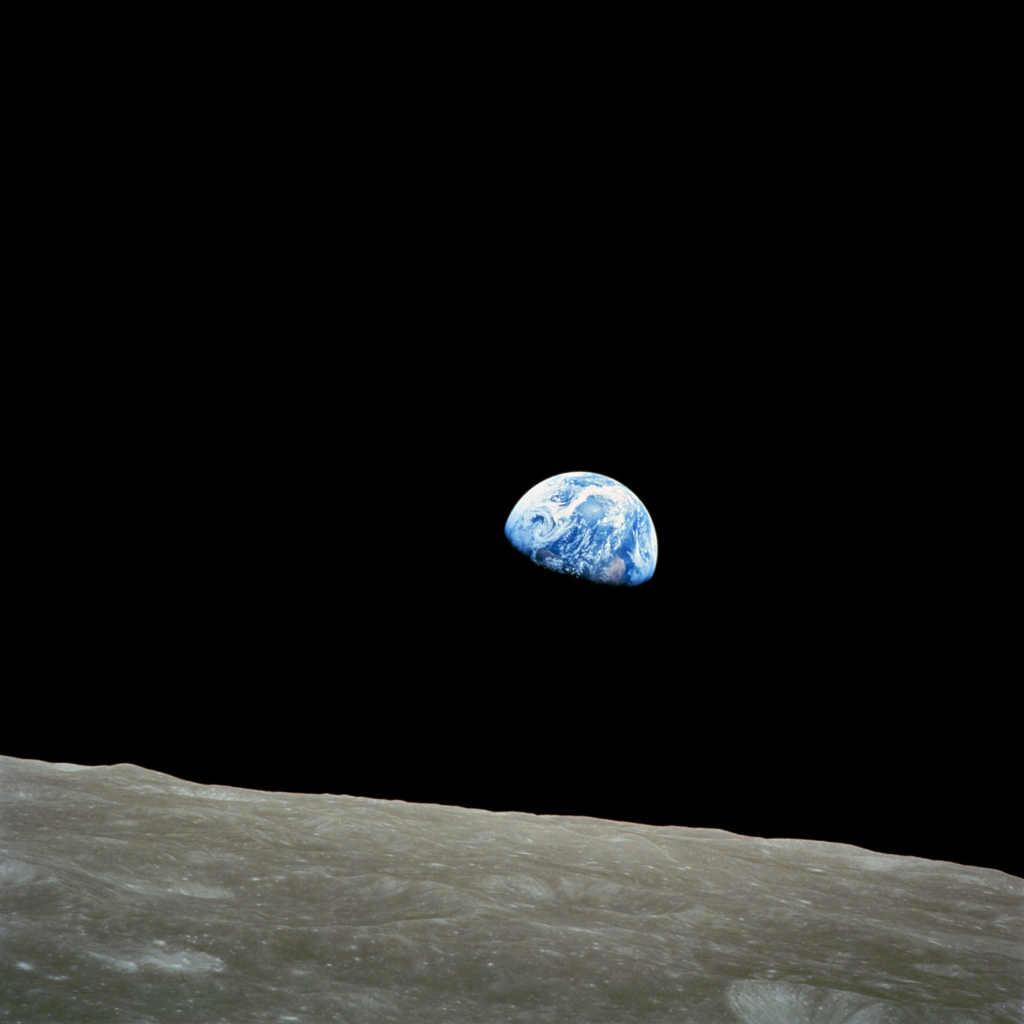
One of the most unsettling aspects of this theory is the possibility that observation does not require contact.
If advanced monitoring systems exist, they may not need to interact with us at all. Simply watching, collecting data, and waiting could be enough.
This brings us back to the Yemen Orb.
If such objects are real and if they are behaving in ways that suggest observation rather than exploration, then the implications become harder to ignore.
It raises a question that is difficult to answer and even harder to dismiss.
What if we are not waiting to be discovered?
What if we already have been?
A Necessary Disclaimer
While these theories are fascinating and thought-provoking, they remain speculative. There is no verified scientific consensus supporting the existence of predatory extraterrestrial systems or hidden observer drones monitoring Earth.
The Yemen Orb itself has not been officially confirmed as anything beyond an unidentified aerial phenomenon, and the Immaculate Constellation leaks remain unverified.
Readers should approach these ideas as part of an ongoing discussion rather than established fact.
What Comes Next for Humanity
Whether or not the Dark Forest theory proves to be true, it forces us to confront an important reality.
Our actions in space are no longer insignificant.
As we continue to expand our technological reach, launch more satellites, and explore deeper into the cosmos, we are shaping how we appear to whatever might be out there.
The question is not just whether we will find life beyond Earth.
It is whether we are ready for the possibility that something might find us first.
FAQs
What is the Yemen Orb?
The Yemen Orb refers to a reportedly observed unidentified aerial object described as a glowing, spherical craft seen hovering over remote regions, though it remains unverified.
What is the Dark Forest theory?
It is the idea that civilizations stay silent in the universe to avoid being detected and destroyed by potential threats.
Is there proof of alien predators?
No, there is currently no scientific evidence supporting the existence of predatory extraterrestrial systems.
What are “lurkers” in this context?
They are hypothetical self-replicating probes or drones that monitor space and eliminate emerging civilizations.
Should we stop sending signals into space?
There is no global agreement on this, but some scientists have suggested caution when broadcasting powerful signals.
Conclusion
The story of the Yemen Orb and the rise of the Dark Forest conversation reflects something deeper than curiosity about alien life. It reflects a shift in perspective.
For the first time, humanity is beginning to consider not just the possibility of contact, but the consequences of being seen.
We may still be alone.
We may be one of many.
Or we may be standing in a forest we do not yet understand, holding a light that has just begun to shine.

0 Comments