











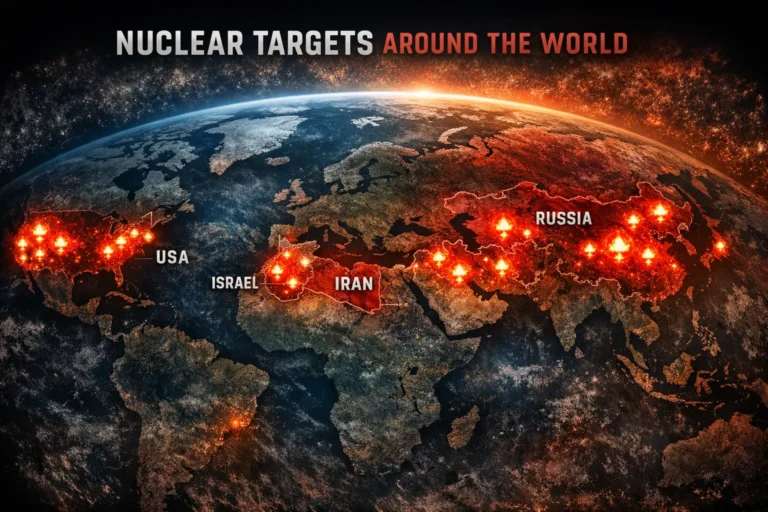
How World War 3 Could Begin: The Escalation Path From the Iran War to a Global Nuclear Conflict
The world is watching one of the most dangerous geopolitical escalations in decades. In early March 2026, the United States and Israel launched a massive military campaign against Iran, striking thousands of targets across the country. Iran retaliated with missiles and drones targeting regional bases and infrastructure.
Russia and China have sharply condemned the attacks and warned that the war risks triggering a broader global confrontation. Russian officials accused Washington of fabricating threats and warned the conflict could destabilize the entire international system.
What began as a regional war in the Middle East now carries the potential to escalate into something far more catastrophic: a global conflict involving the world’s largest military powers.
This article explores how such a conflict could unfold, what might trigger a nuclear response, which countries would become targets, and what percentage of the world could be destroyed if nuclear weapons were used.
The Current Flashpoint: How the Iran War Could Trigger World War 3
The current conflict already contains many of the ingredients historically associated with world wars.
The United States and Israel have launched large-scale operations targeting Iranian military infrastructure and government facilities. Thousands of Iranian targets have reportedly been hit during the opening phase of the campaign.
Iran has retaliated with missile and drone strikes against American bases and regional allies, while proxy groups such as Hezbollah have also launched attacks in the region.
Meanwhile, Russia and China have strongly opposed the attacks, warning that military escalation could destabilize the global balance of power.
The danger lies not in the current war alone, but in the chain reaction it could trigger.
The Chain Reaction That Could Start World War 3
A global war rarely begins with a single event. Instead, it develops through cascading escalations.
Stage 1: Regional War Expands
Iran expands retaliation beyond Israel and U.S. bases in the Middle East.
Possible targets:
- U.S. bases in Iraq, Syria, Qatar, UAE, and Bahrain
- Israeli cities and military installations
- Energy infrastructure in the Persian Gulf
If Iran blocks the Strait of Hormuz, global oil supply could collapse overnight, dragging multiple economies into crisis.
Stage 2: Major Powers Enter the Conflict
Russia and China may not immediately join the war militarily, but several scenarios could force their involvement.
Possible triggers:
- U.S. strikes that destroy Iranian nuclear infrastructure supported by Russia
- Attacks on Chinese energy supply routes
- NATO involvement against Iranian allies
Russia already maintains strong strategic ties with Iran, while China relies heavily on Middle Eastern energy imports.
If either power enters the conflict, the war could instantly expand beyond the Middle East.
The Most Likely Trigger for Nuclear Weapons
Nuclear weapons are typically reserved for extreme circumstances.
Military doctrine in nuclear-armed states generally allows nuclear use under several conditions.
1. Existential Threat
If a country believes its survival is at risk, nuclear weapons may be used.
Examples:
- Israel facing national destruction
- Russia losing major territory
- The United States facing attacks on the homeland
2. Destruction of Nuclear Forces
If a country believes its nuclear arsenal is about to be destroyed, it may launch weapons first.
This is known as “launch on warning.”
3. NATO–Russia Direct War
A direct war between NATO and Russia is widely considered the most likely path to nuclear escalation.
4. Strategic Miscalculation
History shows nuclear war could begin accidentally.
Examples include:
- False radar alerts
- Cyberattacks disrupting warning systems
- Misinterpreted missile launches
How Many Nuclear Weapons Exist Today
The scale of destruction depends on the number of nuclear weapons used.
There are currently about 13,000 nuclear weapons worldwide, spread across nine nuclear-armed states.
The largest arsenals belong to:
- Russia
- United States
- China
- France
- United Kingdom
Other nuclear powers include India, Pakistan, Israel, and North Korea.
Even a small percentage of these weapons could devastate the planet.
If Nuclear War Begins: How Much of the World Could Be Destroyed
Scientists have modeled several nuclear war scenarios.
Limited Nuclear War
Example: India vs Pakistan
Estimated outcomes:
- 50 to 100 nuclear weapons used
- 50–125 million immediate deaths
- Global famine affecting billions
Major Nuclear War
Example: NATO vs Russia
Possible outcomes:
- 3,000–4,000 nuclear weapons detonated
- Hundreds of millions killed instantly
- Global infrastructure collapse
Full Nuclear Exchange
Worst-case scenario:
- 5,000+ nuclear detonations
- Nuclear winter lasting up to a decade
- Collapse of agriculture worldwide
Some climate simulations suggest over 70% of sunlight could be blocked if large numbers of nuclear weapons were used, triggering global crop failures.
That could ultimately threaten billions of lives.
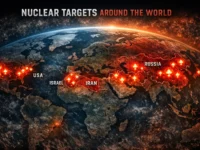
The Countries Most Likely to Be Targeted
In a nuclear war between major powers, the first strikes would focus on three types of targets:
- Nuclear weapon facilities
- Military bases and command centers
- Major cities and industrial hubs
These targets are chosen to cripple a country’s ability to retaliate.
United States: Likely Nuclear Targets
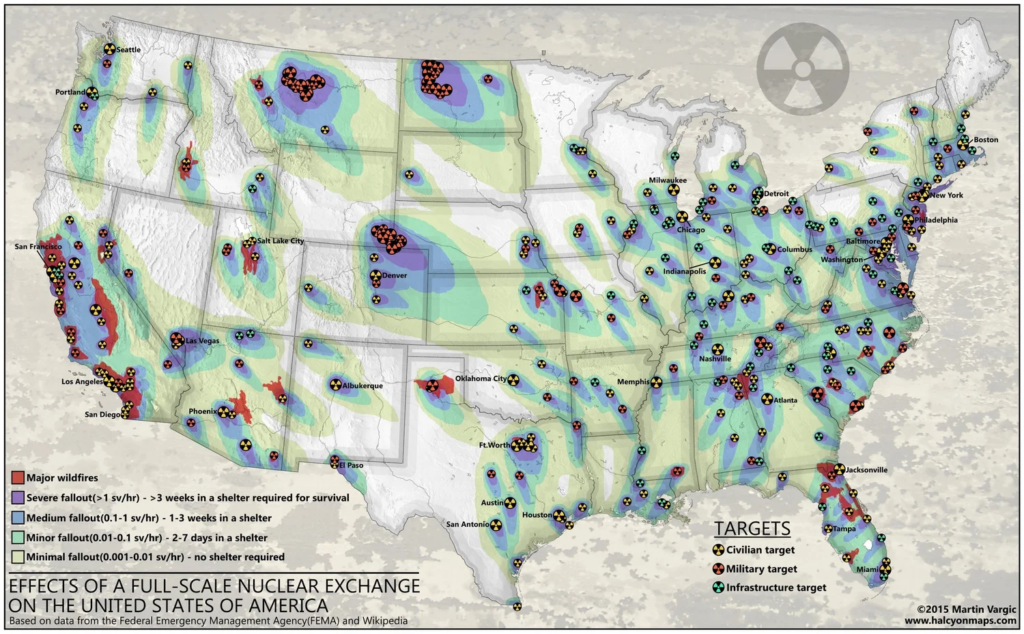
Military analysts suggest several American cities would be high-priority targets.
Likely targets include:
- Washington DC (political command)
- New York City (financial center)
- Los Angeles
- San Francisco
- Chicago
- Houston
- Seattle
Military installations such as Colorado Springs, Omaha, and missile bases in Montana and North Dakota are also considered key targets.
These locations host nuclear command centers, missile silos, and major military infrastructure.
Russia: Likely Nuclear Targets
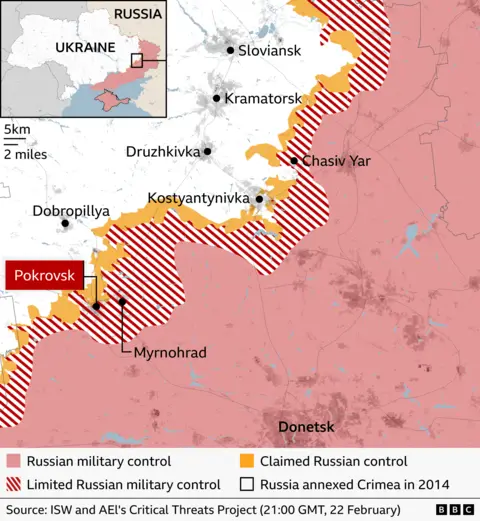
If NATO retaliated, Russia’s most important political and military centers would be targeted.
Likely targets include:
- Moscow (government and command centers)
- Saint Petersburg
- Kaliningrad military enclave
- Murmansk naval bases
- Siberian missile fields
Cold War targeting plans identified Moscow and Leningrad as top priority targets due to their political and industrial importance.
China: Likely Nuclear Targets
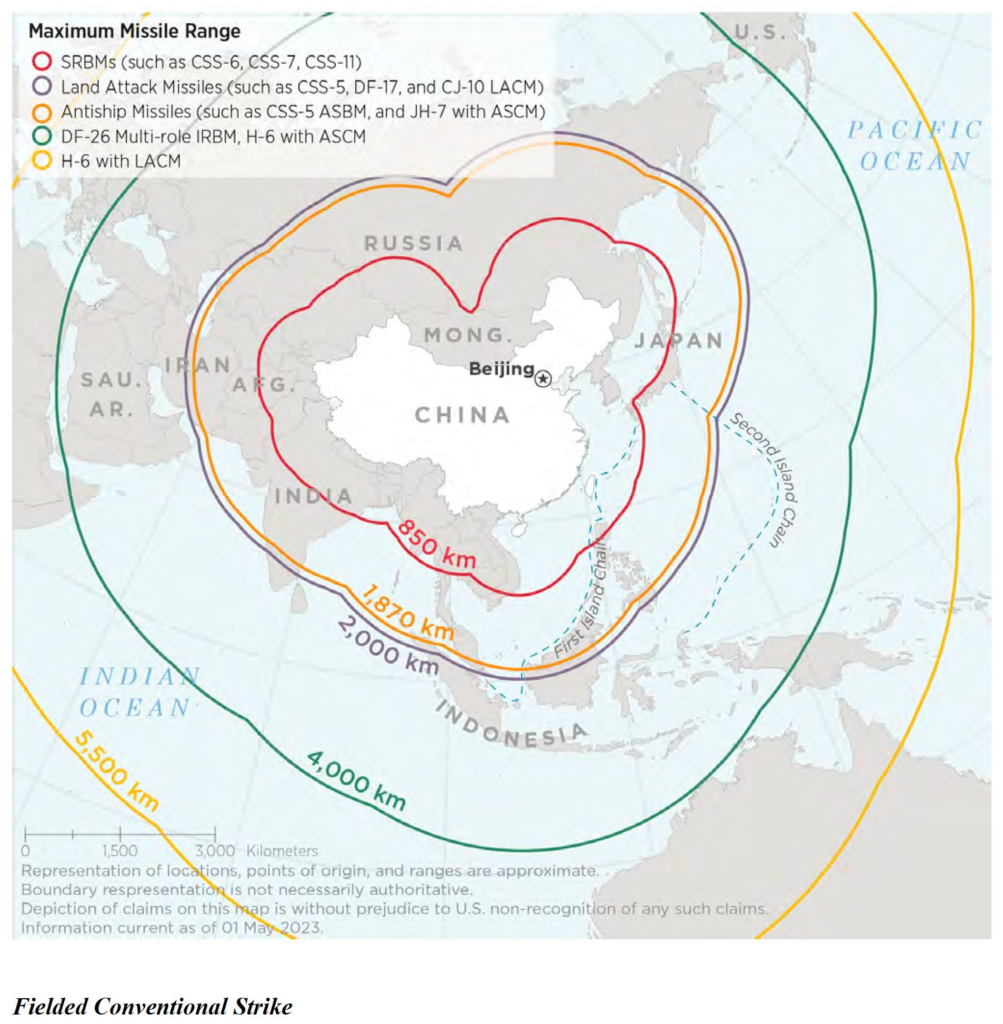
China’s nuclear targets would likely include:
- Beijing (government leadership)
- Shanghai (economic hub)
- Guangzhou
- Wuhan
- Military missile bases in western China
China has rapidly expanded its nuclear arsenal in recent years and built large missile silo fields in desert regions.
Israel and Iran: Immediate Warzone Targets
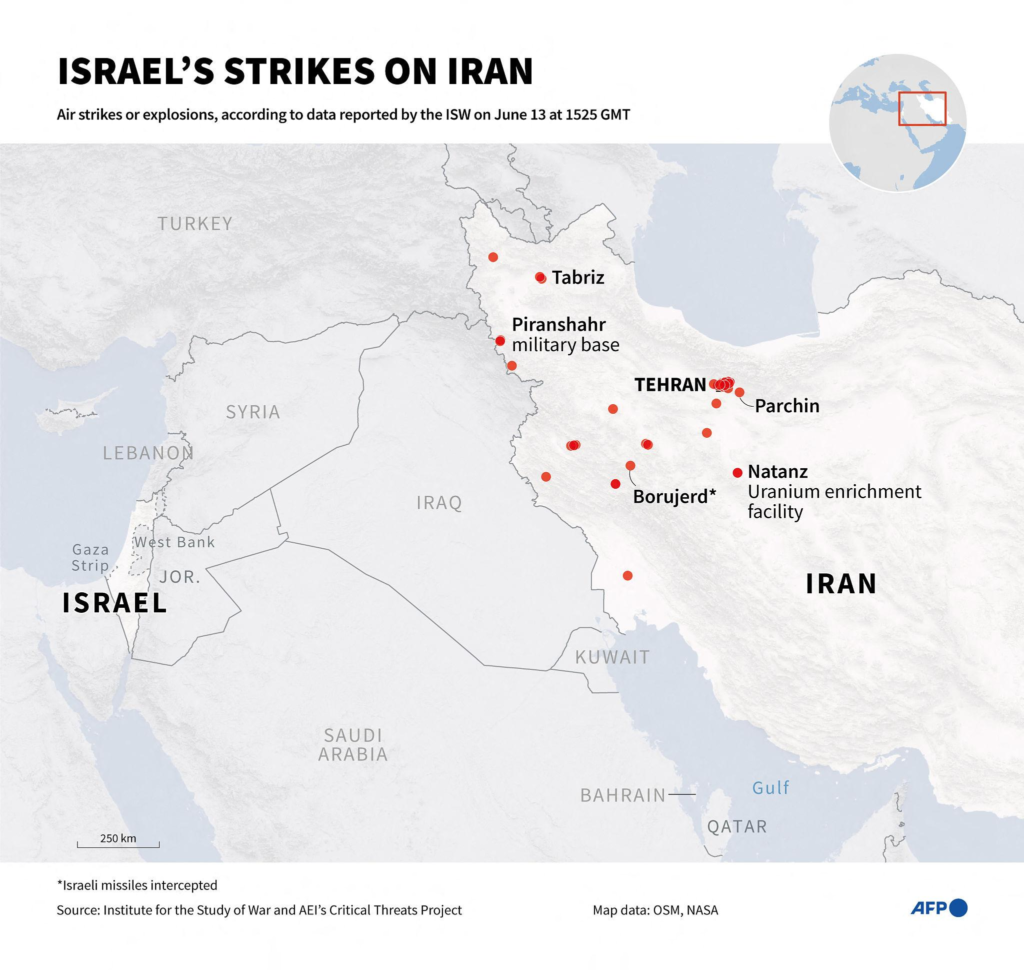
In the current war, the most immediate nuclear flashpoints are Israel and Iran.
Likely targets include:
Israel:
- Tel Aviv
- Haifa
- Dimona nuclear facility
- Israeli air bases
Iran:
- Tehran
- Natanz nuclear facility
- Fordow enrichment plant
- Revolutionary Guard bases
A nuclear strike in this region could rapidly escalate the conflict globally.
The Timeline of a Global Nuclear War
If nuclear weapons were launched, events would unfold extremely quickly.
First 10 Minutes
Missiles launched from submarines and silos.
30 Minutes
Intercontinental missiles reach targets.
1 Hour
Major cities destroyed across multiple continents.
24 Hours
Global communications collapse.
Weeks Later
Mass starvation begins as agriculture fails.
What a Nuclear Winter Would Look Like
After thousands of nuclear explosions, massive firestorms would send soot into the upper atmosphere.
Consequences could include:
- Global temperatures dropping 5–10°C
- Crop failure worldwide
- Collapse of food supply chains
- Decades-long environmental damage
Even countries not directly attacked would suffer catastrophic economic and food shortages.
Could World War 3 Still Be Avoided?
Despite the escalating conflict, nuclear war is not inevitable.
Historically, even during the Cold War, nuclear powers avoided direct confrontation.
Diplomatic channels, back-door negotiations, and international pressure often prevented escalation.
But the current global environment is far more complex.
Multiple nuclear powers are involved, regional conflicts are interconnected, and cyber warfare introduces new risks.
The Iran war has now become a potential flashpoint in this fragile system.
The Real Danger: Escalation Beyond Control
History shows wars often begin with limited objectives but spiral beyond the intentions of leaders.
The First World War began with a regional assassination.
The Second World War began with a territorial invasion.
A third world war could begin with something as simple as a missile strike that draws in allies.
The danger today is not only deliberate war — it is miscalculation.
When multiple nuclear powers are involved in the same conflict, even a small mistake can have global consequences.

0 Comments