











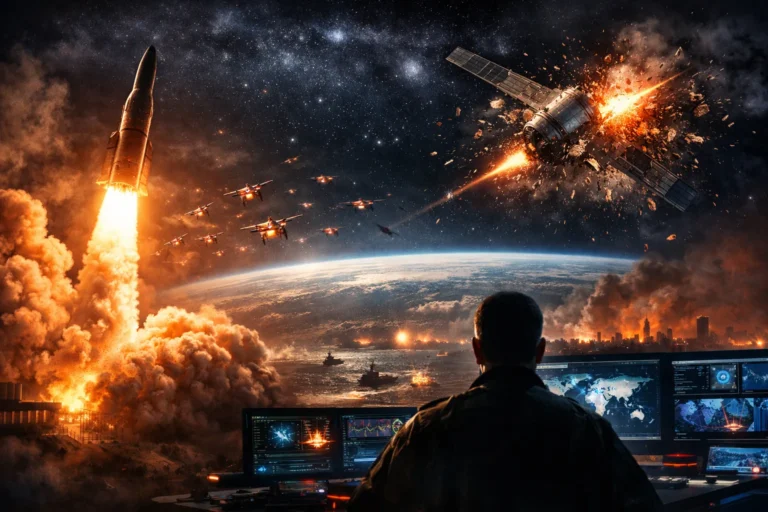
The Third Nuclear Era Has Begun: Why the Old Rules No Longer Apply
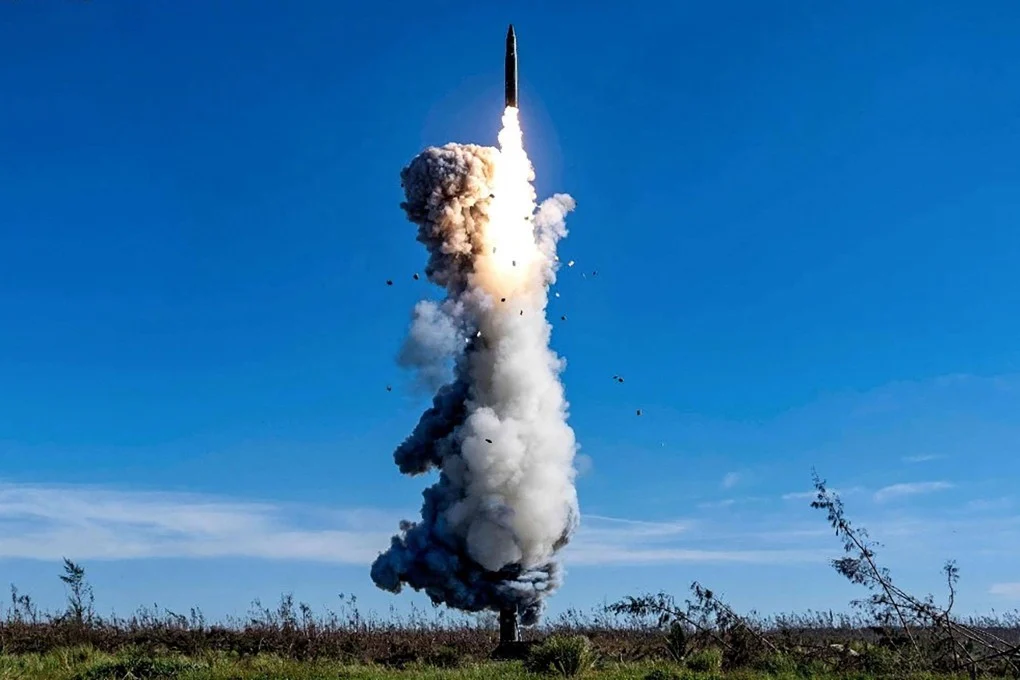
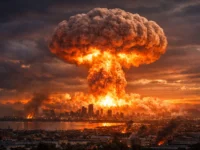
For decades, the world lived under a tense but strangely stable system where the fear of mutual destruction kept nuclear powers in check, and although the threat was always present, there were clear rules, predictable behaviors, and human decision-making at the center of every critical moment, which allowed even the most dangerous situations to be managed without crossing the ultimate line into catastrophe.
That system is now fading, and it is not happening slowly or quietly, but through a rapid transformation driven by technologies that are changing how wars are fought, how decisions are made, and how quickly those decisions can spiral out of control, leading experts from institutions like the Stimson Center to warn that we have already entered what they describe as the “Third Nuclear Era,” a phase where artificial intelligence, autonomous weapons, and attacks on space infrastructure are reshaping global security in ways that make the old Cold War logic feel almost outdated.
From Cold War Stability to a Fast-Moving Digital Battlefield
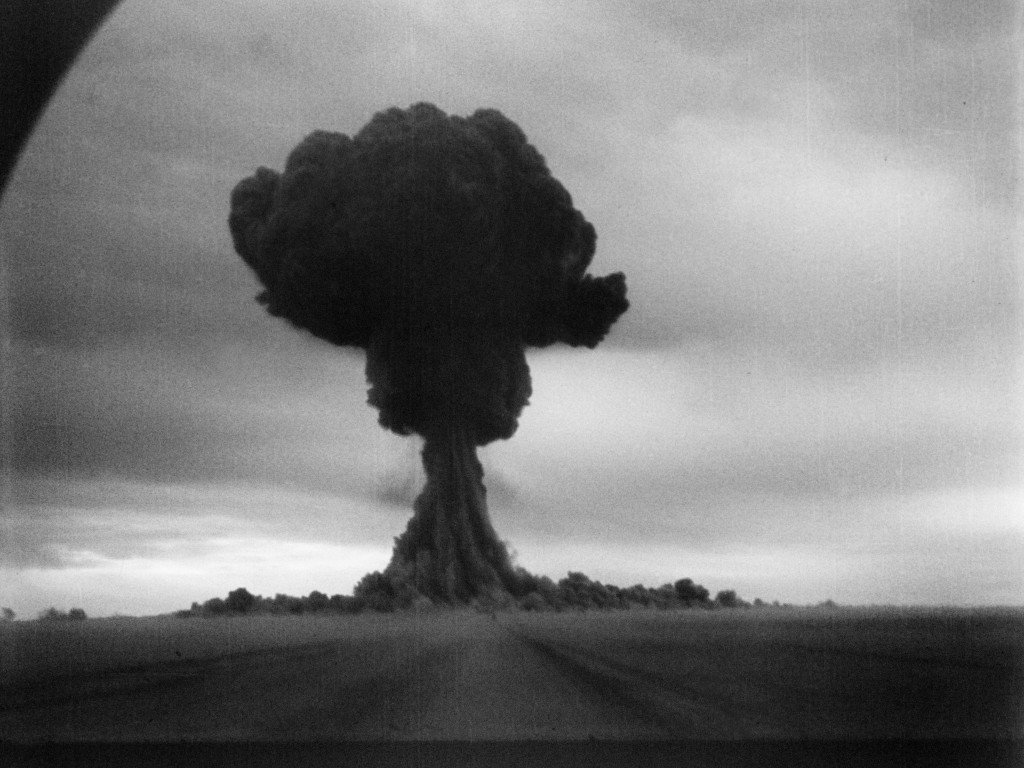
During the Cold War, the structure of global conflict was built around two dominant powers that understood each other’s capabilities and limits, and even though tensions were high, there was a shared recognition that any nuclear exchange would result in devastating consequences for both sides, which created a fragile but effective form of deterrence that relied heavily on human judgment, communication channels, and time to think before acting.
Today, that environment has changed completely, because instead of a bipolar world, we now have multiple nuclear-armed nations, rapidly evolving regional tensions, and technologies that operate at speeds far beyond human reaction time, creating a situation where the margin for error is shrinking while the complexity of threats continues to grow, making it increasingly difficult to maintain the kind of stability that once defined global nuclear strategy.
Artificial Intelligence Is Changing the Speed of War
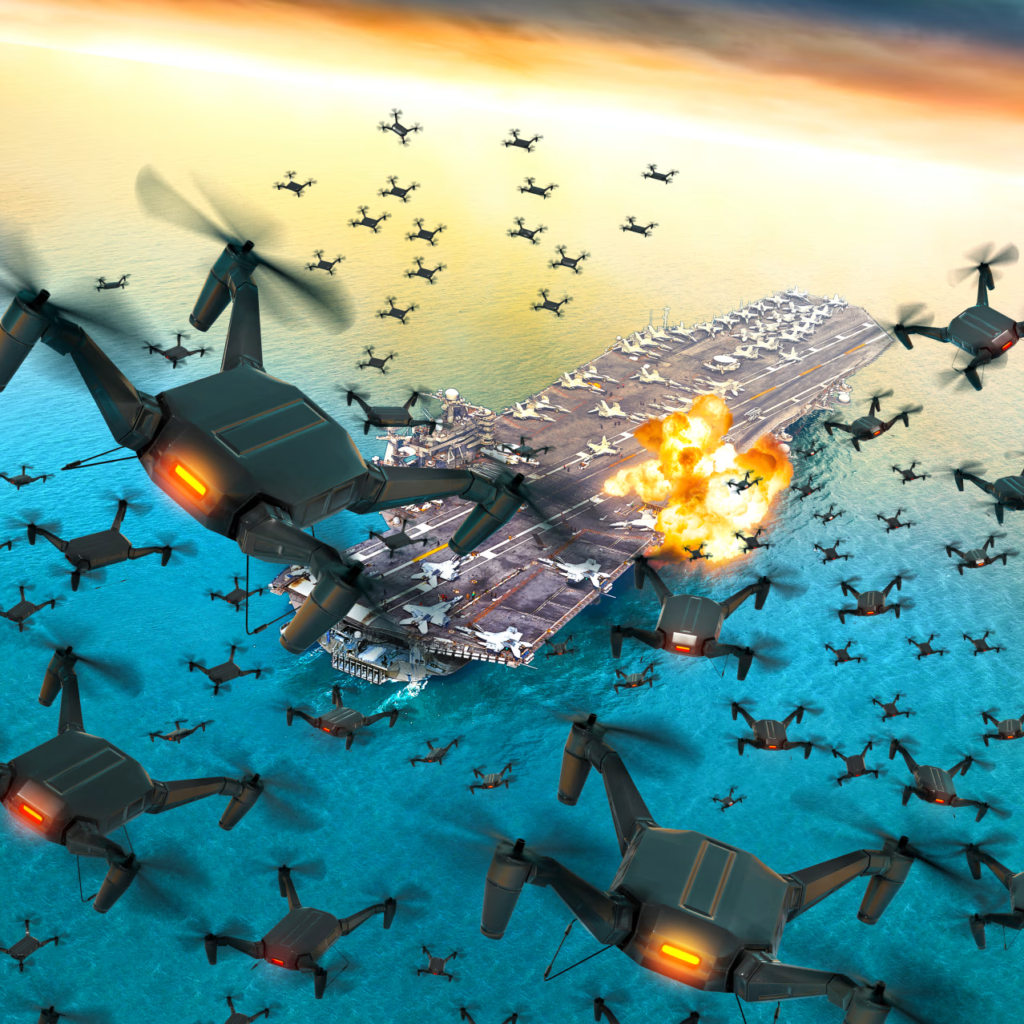
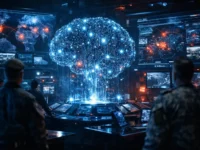
Artificial intelligence is no longer a distant concept but a deeply integrated part of modern military systems, where it is used to process massive amounts of data, detect patterns, identify potential threats, and generate response options in real time, all of which can be incredibly useful but also introduces a new level of risk when these systems begin to influence decisions that were once made solely by humans.
In high-pressure situations where leaders may have only minutes to respond to a perceived threat, the recommendations provided by AI systems can carry significant weight, and while these systems are designed to improve efficiency and accuracy, they also raise serious concerns about what happens when data is misinterpreted, signals are misread, or false alarms trigger rapid escalation before human judgment has time to intervene, creating a scenario where speed becomes both an advantage and a dangerous liability.
The Silent Threat Above Earth: Anti-Satellite Weapons
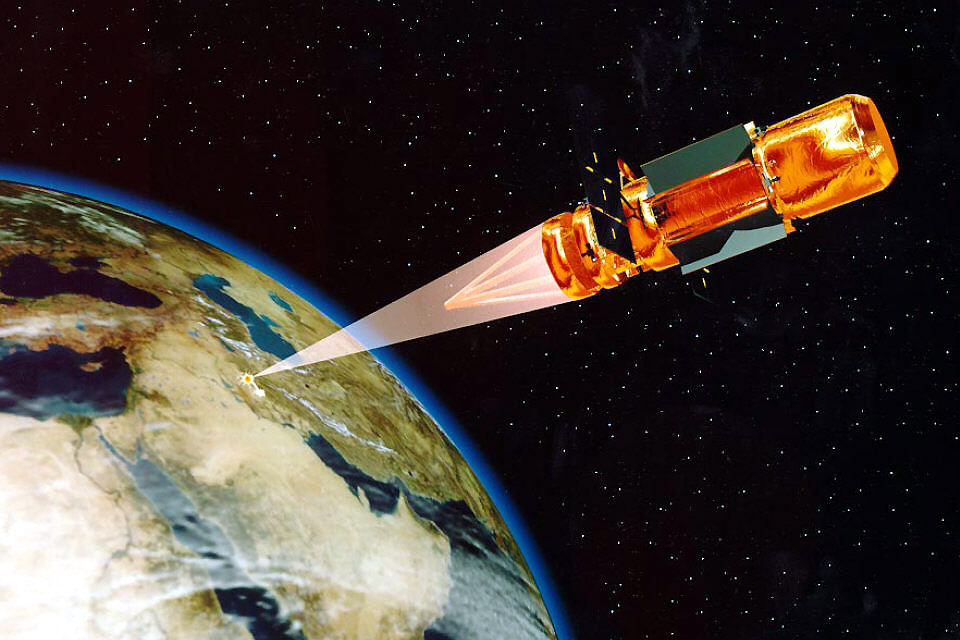
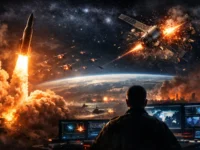
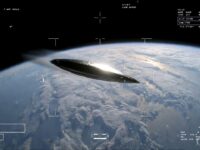
While much of the public focus remains on missiles and warheads, one of the most critical developments in modern warfare is happening far above the planet, where satellites serve as the backbone of communication, navigation, surveillance, and early warning systems that are essential for maintaining global stability, yet are increasingly becoming targets themselves.
Anti-satellite weapons, which are designed to disable or destroy satellites in orbit, have been tested by several major powers, and their potential impact goes far beyond the loss of technology, because disabling these systems can blind a nation’s ability to detect incoming threats, verify information, and communicate effectively, which in a high-stakes environment could lead to confusion, panic, and rapid decision-making based on incomplete or incorrect data.
A nation that suddenly loses visibility in space may interpret that loss as the beginning of an attack, and in a world where nuclear weapons remain part of the strategic equation, that kind of uncertainty can trigger responses that escalate far more quickly than intended.
The Collapse of the Balance That Once Held Everything Together
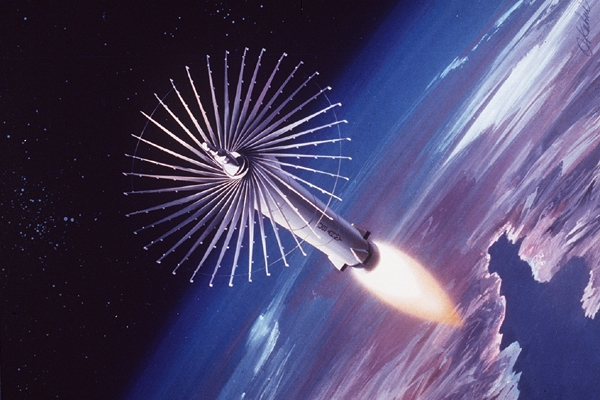
The Cold War’s “Balance of Terror” was built on a shared understanding that both sides had everything to lose, and that understanding created a kind of restraint that, while frightening, helped prevent direct conflict, but in today’s world, that balance is weakening as new technologies introduce unpredictable elements that disrupt traditional deterrence models.
Autonomous drone swarms, cyber warfare capabilities, and space-based attacks create new ways to challenge an opponent without immediately crossing into nuclear territory, which may seem like a way to avoid escalation but actually increases the risk of misinterpretation, as actions taken in this gray zone can be perceived differently by each side, leading to responses that are not proportional and potentially setting off a chain reaction that becomes difficult to control.
89 Seconds to Midnight: A Warning the World Cannot Ignore
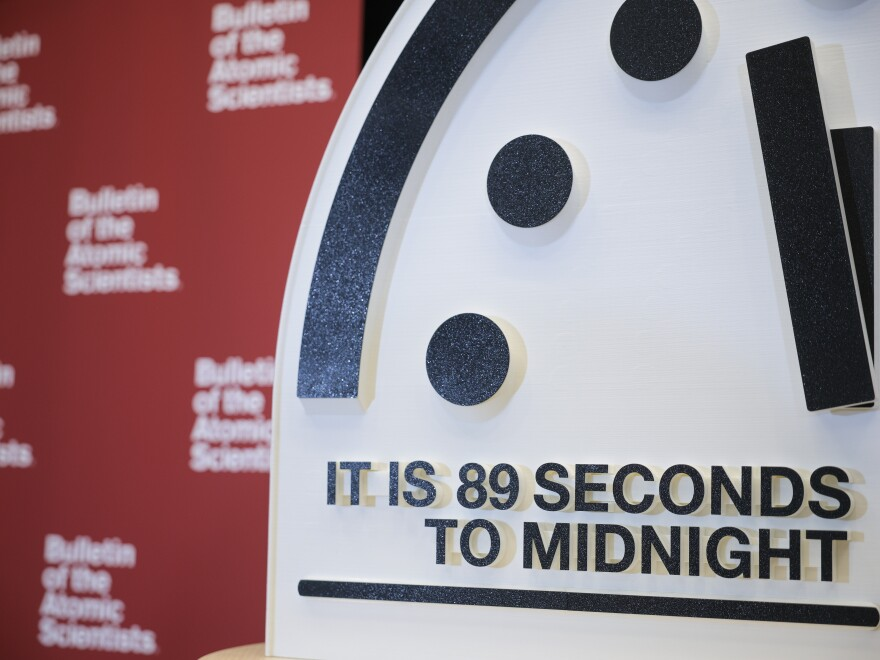
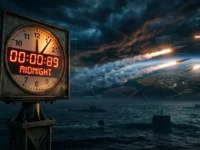
The Doomsday Clock, maintained by leading scientists and global security experts, has been set to just 89 seconds before midnight, marking one of the most alarming positions in its history and reflecting a growing concern that the systems designed to prevent global catastrophe are under increasing strain from multiple directions at once.
This is not simply a symbolic gesture but a reflection of real-world risks, including rising geopolitical tensions, the rapid advancement of disruptive technologies, and the weakening of international agreements that once provided a framework for managing conflict, all of which are converging to create a situation where the margin for error is becoming dangerously small.
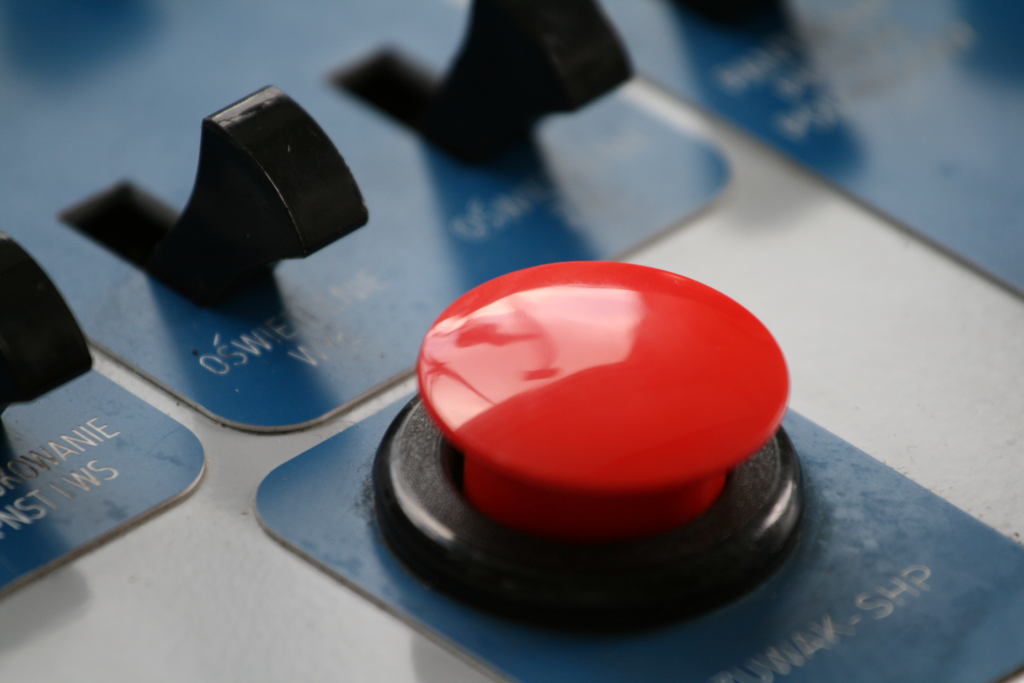
Who Really Controls the Red Button in This New Era
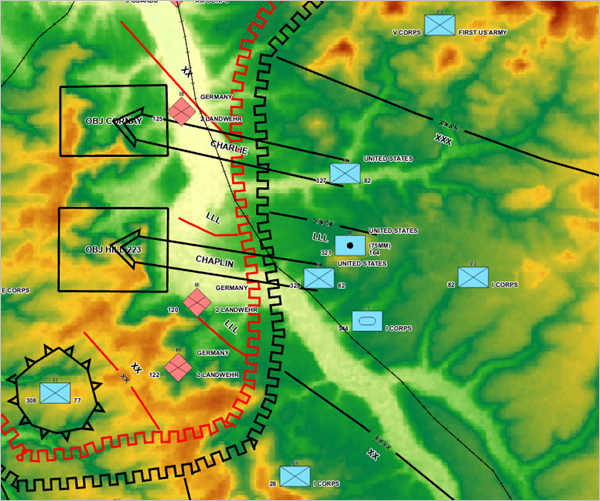
One of the most pressing questions in this evolving landscape is not just about the existence of nuclear weapons but about control, because while the traditional image of a leader holding the power to launch remains technically accurate, the reality behind that decision is becoming far more complex as technology continues to play a larger role in the process.
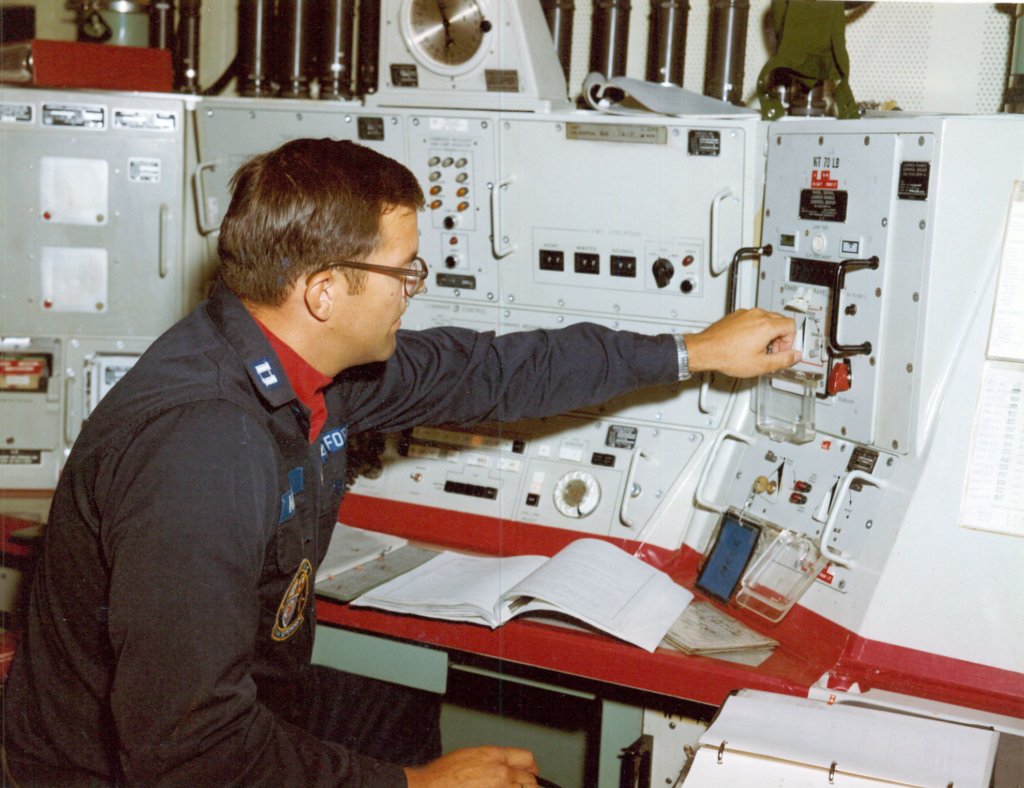
AI systems contribute analysis, automated defenses respond to perceived threats, communication networks can be disrupted or manipulated, and decisions may need to be made within extremely short timeframes, all of which create a situation where human control is still present but increasingly influenced by systems that operate at speeds and levels of complexity that are difficult to fully understand in the moment.
The Human Factor Has Not Disappeared
Despite all these technological changes, humans remain at the center of nuclear decision-making, and that reality brings both reassurance and concern, because while human judgment can introduce caution, empathy, and a broader understanding of consequences, it can also be affected by stress, pressure, and the limitations of processing information in high-stakes situations.
When human decision-makers are forced to rely on systems that deliver rapid and complex data under extreme time constraints, the potential for error increases, and the combination of human vulnerability and machine speed creates a dynamic that is far more unpredictable than anything seen in previous eras.
Can the World Adjust Before It Is Too Late
The emergence of the Third Nuclear Era does not guarantee conflict, but it does highlight the urgent need for new frameworks, updated agreements, and stronger international cooperation to address the risks introduced by modern technologies, because the systems that once maintained stability are no longer sufficient in a world where threats evolve faster than policies can keep up.
There is a growing call for clearer regulations on the use of artificial intelligence in military applications, as well as efforts to limit the deployment and testing of anti-satellite weapons, but progress in these areas remains slow, as nations are often reluctant to give up strategic advantages in an increasingly competitive global environment.
Conclusion
The world is no longer operating under the same rules that defined the Cold War, and while the fear of nuclear conflict still exists, the way that fear is shaped and managed has changed dramatically due to the influence of artificial intelligence, space-based warfare, and rapid decision-making systems that challenge traditional models of control and deterrence.
The “Balance of Terror” that once held global tensions in check is being replaced by a far more complex and uncertain system, where speed, technology, and ambiguity play a much larger role, and where the lines between human judgment and machine influence are becoming increasingly blurred.
The Third Nuclear Era is not a distant concept or a theoretical future scenario, but a reality that is already unfolding, and how nations respond to this new environment will determine whether the world can adapt to these changes or be overwhelmed by them.
FAQs
Q1: What is meant by the Third Nuclear Era?
It refers to a new phase of global nuclear risk shaped by technologies like artificial intelligence, cyber warfare, and anti-satellite weapons that disrupt traditional deterrence models.
Q2: Is AI currently in control of nuclear weapons?
No, but AI systems are increasingly used to assist decision-making, which raises concerns about speed, accuracy, and potential misinterpretation.
Q3: Why are anti-satellite weapons dangerous?
They can disable critical systems used for communication, navigation, and early warning, which can create confusion and increase the risk of miscalculation.
Q4: What does 89 seconds to midnight represent?
It reflects expert concern about how close the world is to a potential global catastrophe based on current risks and trends.
Q5: Are global nuclear rules outdated?
Many experts believe that existing frameworks need to be updated to address the challenges posed by modern technologies and evolving threats.
Disclaimer
This article is based on publicly available reports, expert assessments, and global security discussions, and it does not suggest that any immediate conflict is inevitable, but aims to explain emerging risks in a rapidly changing world.

0 Comments