

















For decades, whenever the topic of unidentified aerial phenomena came up, the assumption was always the same—if something strange is flying in our skies, it must be coming from space. The idea of extraterrestrial visitors has shaped movies, books, and even serious scientific debate. But a growing theory in 2026 is quietly challenging that assumption in a way that feels far more unsettling.
What if the unknown objects seen by pilots and tracked by military systems are not visitors from distant galaxies at all? What if they are already here, and have been here far longer than humans have existed?
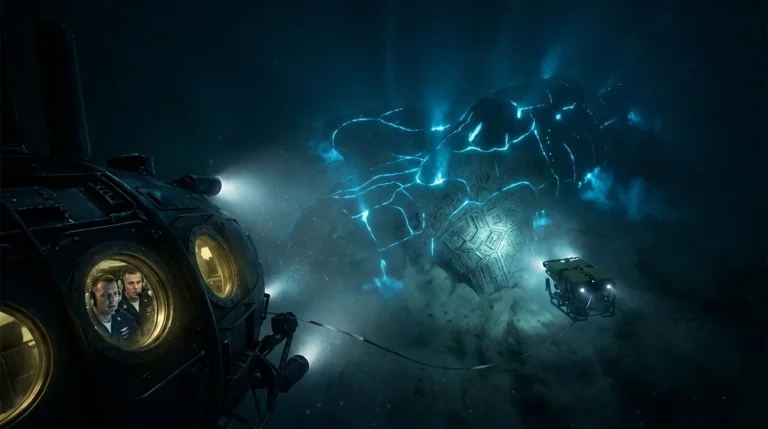
This is the core of what many are now calling the “sub-oceanic” hypothesis—a concept that suggests the origin of these mysterious objects may lie deep beneath Earth’s oceans, hidden in regions we barely understand.
And for the first time, there are indications that some within military and intelligence circles are taking this idea seriously enough to be concerned.
The Ocean: Earth’s Last Unexplored Frontier
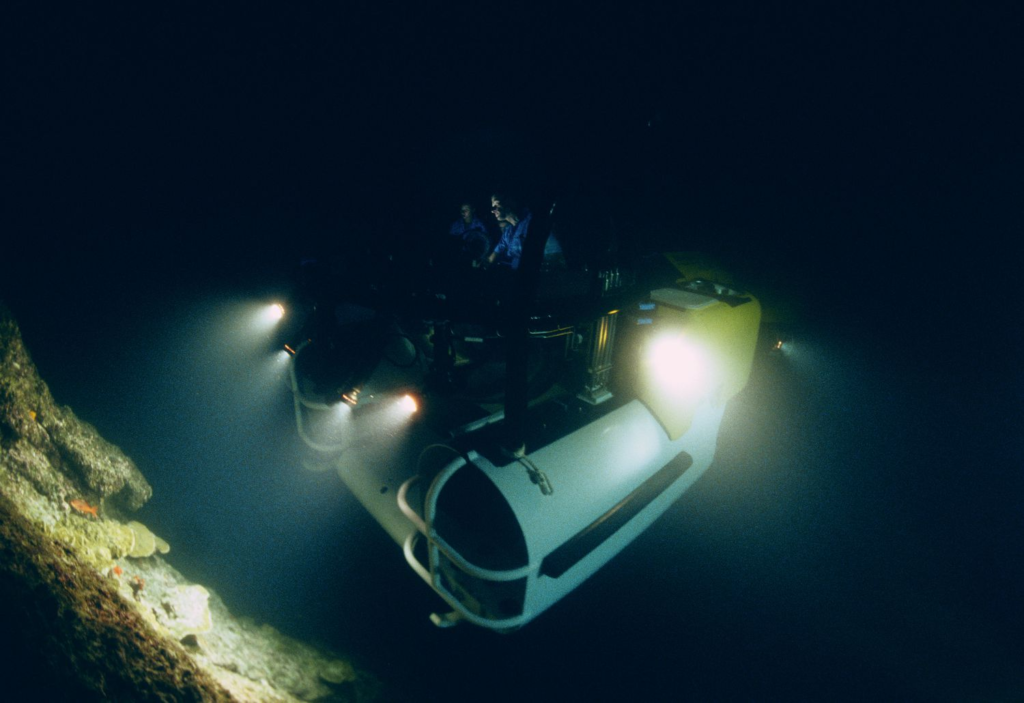
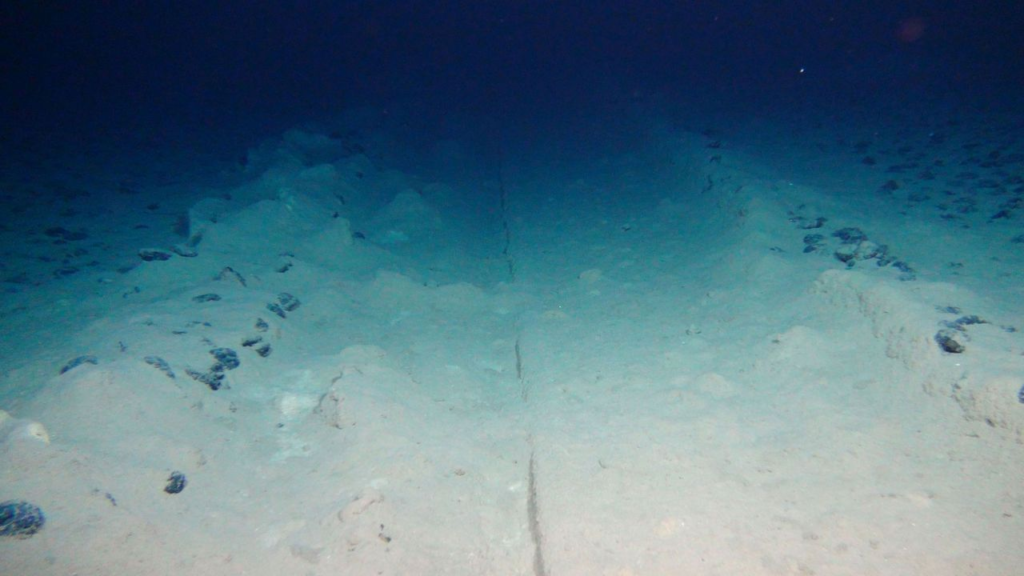
It is easy to forget just how little we truly know about our own planet. While space exploration has captured global attention, the oceans remain largely uncharted. Scientists estimate that more than 80 percent of the ocean floor is still unmapped, unexplored, and unseen by human eyes.
The deepest parts of the ocean, such as trenches that plunge nearly 11 kilometers below the surface, exist under crushing pressure, total darkness, and extreme conditions that are still difficult to study even with modern technology.
This lack of visibility creates a strange reality—there are vast regions of Earth where anything could theoretically exist without detection.
And that is where this theory begins to take shape.
A Shift in Narrative: From Sky to Sea
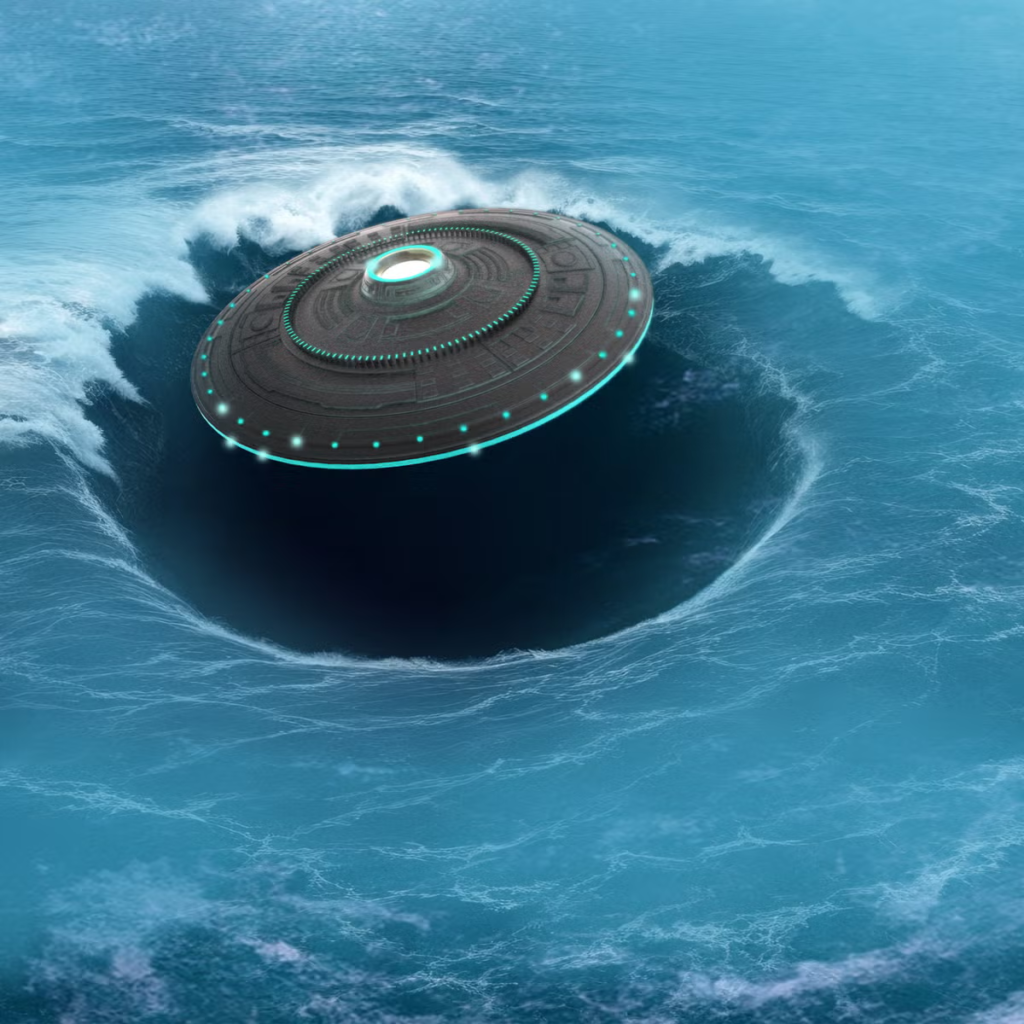
In recent years, reports of unidentified objects have taken on a different tone. Military pilots have described craft that do not behave like conventional aircraft. These objects accelerate instantly, move without visible propulsion, and sometimes transition seamlessly between air and water.
That last detail has drawn increasing attention.
Objects that can operate both in the atmosphere and underwater—without losing speed or control—suggest a level of technology that goes beyond what is publicly known. More importantly, it raises a question that feels difficult to ignore:
If these objects can enter the ocean effortlessly, where do they go once they disappear beneath the surface?
This is where the sub-oceanic theory gains traction.
The Whistleblower Effect
The conversation intensified after comments from filmmaker and researcher Dan Farah, who has been associated with discussions involving whistleblowers connected to UAP programs. According to claims circulating in 2026, some insiders believe that these phenomena are not recent arrivals but long-term occupants of Earth.
The suggestion is not that something has come to observe us—but that something has always been here, quietly existing in parts of the planet we cannot easily reach.
It is important to approach such claims with caution. These statements are not confirmed by official government declarations, and many remain speculative. However, the consistency of certain patterns in reported encounters has made the theory harder to dismiss outright.
The “Activation” Theory
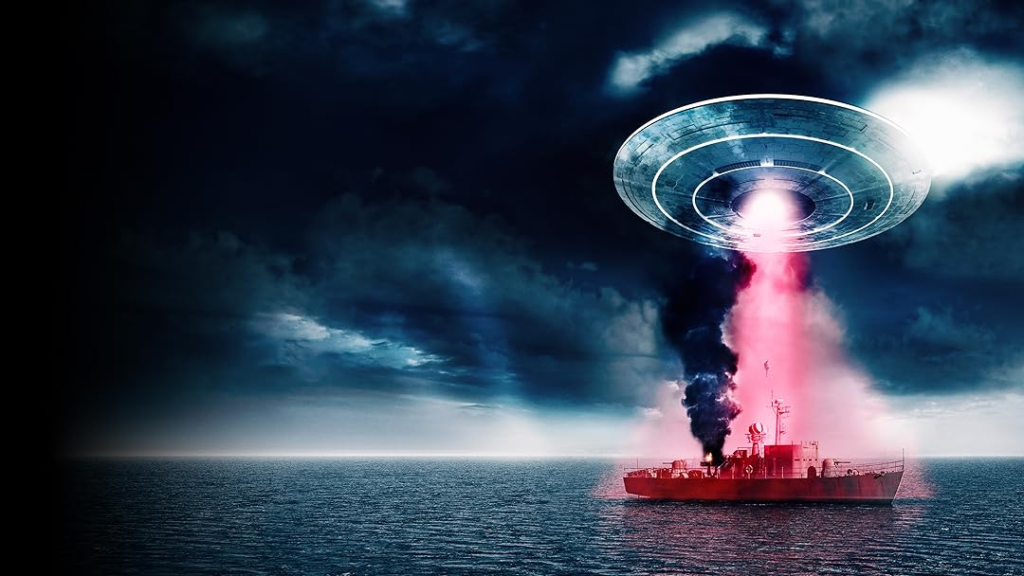
One of the more unsettling ideas tied to this concept is what some are calling “activation.”
This theory suggests that the increase in sightings over the past two decades may not be random. Instead, it could represent a response to human activity—specifically, activities that are beginning to reach deeper into the ocean than ever before.
Deep-sea mining, underwater drilling, and decades of nuclear testing have all pushed human presence further into environments that were once untouched.
If there were any form of unknown intelligence existing in those regions, it is not unreasonable to ask whether these disturbances might trigger some kind of reaction.
Again, this is not proven. But it is a question that is now being asked more openly than before.
Military Encounters That Raised Eyebrows

Several documented encounters have played a role in shifting attention toward the oceans.
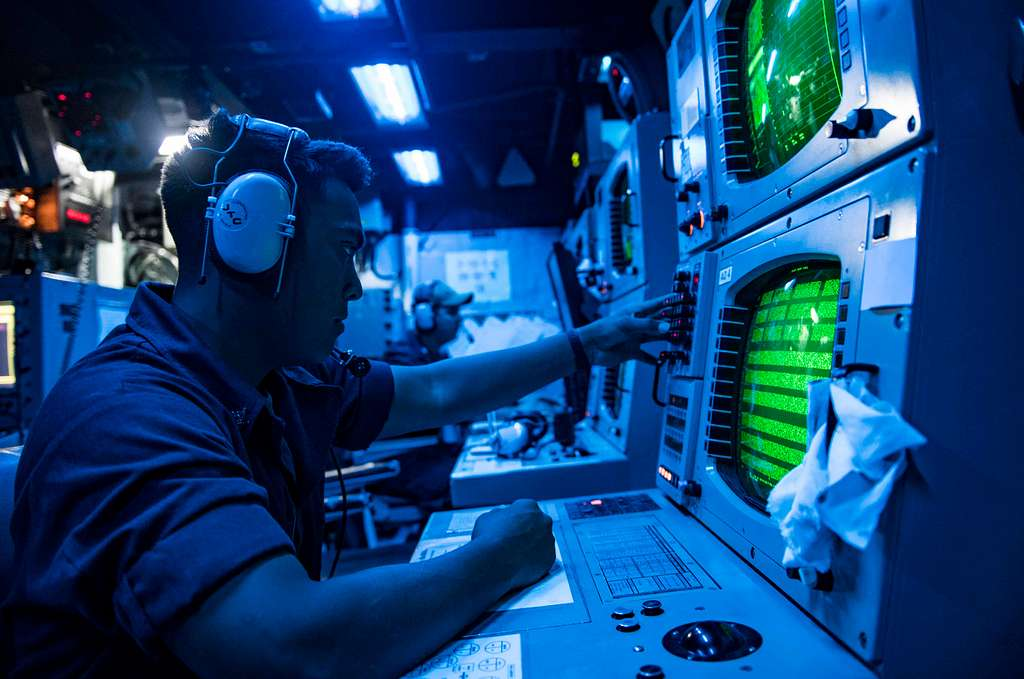
Pilots have reported objects descending rapidly into the water without any visible splash or resistance. In other cases, sonar operators have tracked fast-moving objects underwater that do not match known submarine capabilities.
These reports are rare, often classified, and difficult to verify independently. However, some have been acknowledged in official briefings and defense discussions, which adds a layer of credibility to the broader conversation.
The concern is not just about what these objects are, but about what they might represent.
If there is technology capable of operating undetected in the ocean at extreme speeds, it challenges existing ideas about security, surveillance, and control of maritime space.
Why the Idea Feels So Unsettling
The traditional concept of aliens coming from space carries a certain psychological distance. They are far away, separated from us by vast stretches of the universe.
The sub-oceanic theory removes that distance completely.
Instead of something distant, it suggests something close. Extremely close.
The idea that an unknown presence could exist beneath the surface of the same planet we live on, potentially observing human activity for centuries or longer, introduces a different kind of unease.
It is not about invasion. It is about coexistence—without awareness.
Science vs Speculation
It is crucial to draw a clear line between what is known and what is imagined.
There is currently no verified scientific evidence that confirms the existence of non-human intelligence living in Earth’s oceans. Marine biology, oceanography, and related fields continue to discover new species, but none point to advanced civilizations or unknown intelligent entities.
However, the lack of evidence is not the same as proof of absence, especially in environments that are still largely unexplored.
This is why the topic sits in a strange middle ground—part curiosity, part speculation, and part ongoing investigation.
The Technology Question
One of the strongest arguments against the sub-oceanic theory is technological plausibility.
If an advanced intelligence existed in the ocean for millions of years, it would likely have developed technologies far beyond human understanding.
This raises an important question: if such a civilization exists, why has it remained hidden?
There are several possible explanations that theorists propose:
Some suggest deliberate concealment, where remaining undetected is a priority. Others propose that interaction with humans may not be of interest or relevance to such an intelligence.
Another possibility is that what we are observing is not a civilization in the traditional sense, but something entirely different—something that does not fit human categories of society, behavior, or communication.
Deep-Sea Mining and Rising Tensions

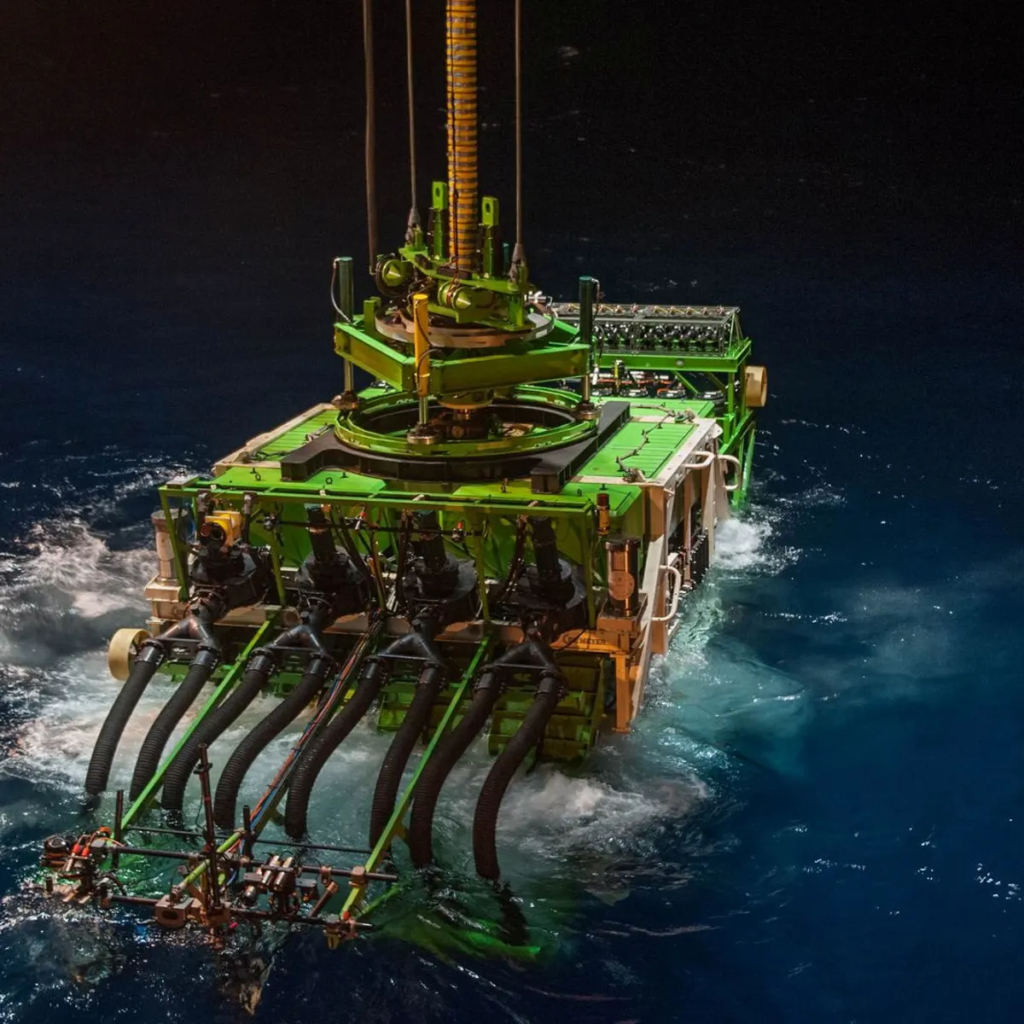
Human activity in the deep ocean is expanding rapidly. Governments and corporations are investing heavily in extracting minerals from the seabed, targeting resources that are critical for modern technology.
This expansion is pushing machines, sensors, and human-made structures into areas that have never been disturbed before.
If the sub-oceanic theory holds even a small amount of truth, this could represent the first large-scale intrusion into an environment that may not be entirely empty.
This is one of the reasons the theory has gained traction—it connects real-world developments with unexplained observations in a way that feels plausible, even if it is not proven.
A Psychological Turning Point

Perhaps the most significant impact of this theory is not scientific, but psychological.
For years, humanity has looked outward for answers about life beyond Earth. The idea that those answers might exist beneath our own oceans forces a complete shift in perspective.
It challenges the assumption that we understand our own planet.
It suggests that the unknown is not far away, but directly below us.
Why Governments Are Careful
Even if there were unusual findings related to underwater phenomena, governments would likely approach the topic with extreme caution.
Public disclosure of uncertain or potentially alarming information can create confusion, fear, or misinformation.
This is why most official statements remain measured, focusing on data collection and investigation rather than drawing conclusions.
It is also why much of the conversation continues to rely on indirect sources, whistleblower accounts, and fragments of declassified information.
What We Actually Know

Despite the speculation, there are a few grounded facts:
Unidentified objects have been observed by trained military personnel.
Some of these objects display unusual movement patterns.
There are reports of objects interacting with water in ways that are not fully understood.
Beyond that, everything enters the realm of interpretation.
The Question That Refuses to Go Away
The deeper this topic is explored, the more one question continues to surface:
If something exists in the depths of Earth’s oceans that we do not yet understand, how would we even begin to detect it?
And more importantly—would we recognize it if we did?
Final Thoughts
The sub-oceanic UAP theory may sound like something out of science fiction, but it touches on very real gaps in human knowledge.
The ocean remains one of the least understood environments on Earth, and the possibility that it holds surprises should not be dismissed lightly.
At the same time, extraordinary claims require careful examination, evidence, and patience.
For now, this theory sits at the edge of scientific curiosity and public imagination, waiting for clearer answers that may take years—or decades—to emerge.
But one thing is certain: the mystery is no longer just above us.
It may be below us as well.
FAQs
Q1. Is there any confirmed evidence of underwater non-human intelligence?
No, there is currently no confirmed scientific evidence supporting the existence of non-human intelligence in Earth’s oceans.
Q2. Why are people linking UAPs to the ocean?
Some reported sightings involve objects entering or exiting water, which has led to speculation about underwater origins.
Q3. What is the sub-oceanic theory?
It is the idea that unidentified phenomena may originate from Earth’s oceans rather than outer space.
Q4. Are governments investigating this theory?
Governments are investigating unidentified aerial phenomena in general, but they have not confirmed any sub-oceanic origin.
Q5. Could deep-sea exploration reveal more answers?
Possibly. As technology improves and exploration expands, new discoveries could provide more clarity about unexplored regions.
References & Source Material
- https://www.nasa.gov
- https://www.noaa.gov
- https://www.defense.gov
- https://www.congress.gov (UAP hearings and reports)
- https://www.theblackvault.com (declassified UAP documents archive)
- https://www.aaro.mil (All-domain Anomaly Resolution Office)

0 Comments