











A Quiet Evolution Above Our Heads
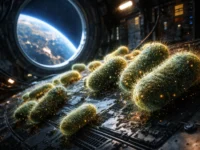
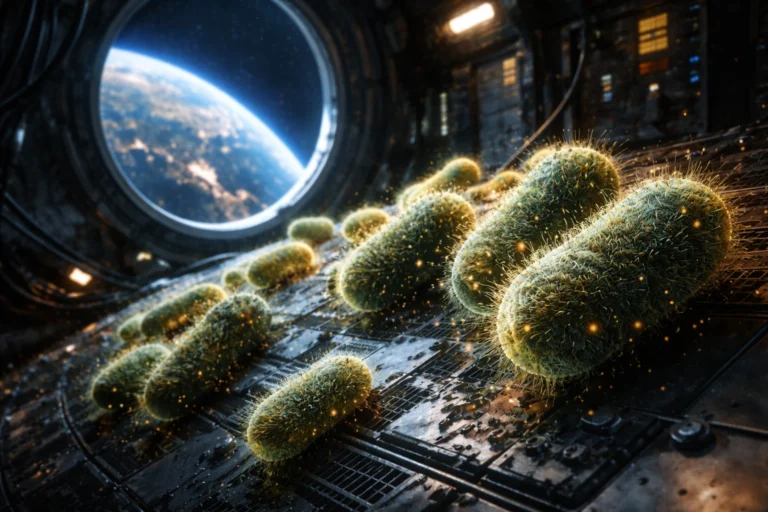
Something quietly strange is happening in the metal guts of orbiting laboratories. Scientists studying samples brought down from the orbiting laboratories have identified microbes showing changes that matter: mutations and new traits that help them resist the space environment, including improved ways to cope with radiation damage. The discovery spans different stations — research teams reported an unknown, highly resilient strain from Tiangong Space Station and long-running studies on the International Space Station show bacteria evolving in ways that set off alarm bells and curiosity at once.
This story is not science fiction. It is an urgent field of study that touches astronaut safety, planetary protection, and the basic rules of life under stress. Below I explain what was found, why it matters, how scientists study DNA repair in space, and what steps the global research community is taking — and should take next.
The discovery: a new, tough strain from Tiangong and mutating microbes on the ISS
Earlier this year, microbiologists described a bacterium isolated from surface hardware of Tiangong Space Station that appears different from its Earth cousins. The strain was named Niallia tiangongensis and shows a suite of changes that help it cope with oxidative stress and fix damage that would normally break its DNA. Laboratory tests suggest this strain can better reverse radiation-induced damage and build stronger biofilms — both traits that aid survival in harsh, resource-limited environments.
On the International Space Station, long-term monitoring has turned up bacteria that differ genetically and functionally from the same species on Earth. Some strains recovered from the ISS show changes linked to antibiotic resistance, altered metabolism, and shifts in how they repair DNA — all consistent with life adapting to microgravity, oxidative stress, and chronic low-dose radiation.
Why radiation-damage repair matters
Radiation in low Earth orbit is different from what we experience on the ground. Cosmic rays and energetic particles can nick DNA, break the double helix, and create reactive oxygen species that wreck proteins and lipids. Organisms survive such assaults in one of three ways: avoid the damage, repair the damage quickly, or tolerate it through redundancy and protective chemistry. The bacteria being studied appear to have improved repair and protective mechanisms — molecular tools that let them reverse damage that would otherwise be lethal. For microbes, that’s a huge competitive advantage. For humans, it raises questions about infection risk, material degradation, and the integrity of life-support systems.
How did these microbes change so fast?
Space is a high-stress lab. Two main forces drive rapid change there: elevated mutation rates under stress, and intense selection pressure in a tiny, closed habitat. Microgravity alters fluid flow and cell signaling; radiation increases mutations and oxidative stress; closed air and surfaces let microbes form persistent biofilms. Together, these forces accelerate the pace of evolutionary change. Experiments show that microbes in microgravity can evolve differently and sometimes faster than their Earth cousins, producing novel mutations and altered gene expression patterns over small numbers of generations.
What the labs actually measured
The studies used a mix of culture, sequencing, and functional assays. Scientists swabbed surfaces, cultured what grew, sequenced genomes, and compared them to Earth strains. They tested bacteria for resistance to oxidants, their capacity to form biofilms, enzymatic systems that reverse DNA damage, and responses to radiation in controlled tests. The Tiangong isolate, for example, showed mutations and protein changes consistent with enhanced anti-oxidant systems and specific DNA repair pathways. On the ISS, repeated sampling over years revealed the same species drifting toward new genetic variants and traits that favor survival in orbit.
Health and mission risks — what could go wrong
The immediate risk is not an apocalyptic “killer microbe.” Most of the bacteria found so far are relatives of common Earth species. But there are real, practical dangers:
- Crew health: If microbes become more virulent, better at surviving antibiotics, or form persistent biofilms inside equipment, they can cause infections or make infections harder to treat.
- System contamination: Biofilms and corrosive microbial activity can degrade filters, sensors, or critical plumbing.
- Unseen evolution: Microbes that adapt in space might retain new traits once returned to Earth or transferred between environments, complicating containment and mitigation.
These are operational risks that mission planners already worry about — the new findings just underline that the threat can shift during a mission.
Why these findings are scientifically valuable
Beyond the risks, there’s a huge upside. Understanding how microbes repair DNA under space stress can teach us about fundamental biology and suggest practical tech:
- Human protection: Insights into DNA repair pathways could help design drugs or protective measures for astronauts.
- Biotech in space: Robust microbes could be engineered for waste recycling, life support, or manufacturing in orbit — if we understand and control them.
- Earth benefits: Studying novel repair systems may yield enzymes or molecules useful in medicine or industry for radiation resilience.
How trustworthy is the evidence? — A careful note
Laboratory studies are strong, but limited. Some strains were cultured and sequenced; others were studied through partial molecular assays. Claims that microbes evolved “super” capabilities are based on comparisons and functional tests; they are not the same as showing a bacterium will be an immediate threat to humans. Scientists emphasize caution: these are early results that demand more sampling, transparent data sharing, and independent replication. The pattern is convincing: space alters microbial behavior and genomes. The details and practical consequences are still being sorted.
What NASA, China, and the global science community are doing
Research teams maintain ongoing microbial surveillance on orbiting labs. NASA runs long-term studies on the NASA platforms to track DNA damage and microbial shifts; Chinese teams operate similar programs for Tiangong Space Station sampling and analysis. The work involves frequent swabs, controlled experiments with microbes and phages, and bringing samples back to Earth for deep sequencing and functional tests. International collaboration helps, but there is room for more open sharing of raw data and methods.
What scientists want next
Researchers are asking for several key steps:
- More and regular sampling across modules and missions, combined with standardized lab methods so results are comparable.
- Open genomic data so independent teams can re-analyze sequences and spot patterns.
- Longer controlled experiments that send microbes with known genotypes to space and track exact changes over time.
- Risk assessments that tie genetic changes to real functional outcomes like drug resistance or biofilm strength.
- Engineering controls on station surfaces and air systems to reduce the niches that favor aggressive microbial evolution.
What astronauts can do now
Onboard routines already include cleaning, filtration, and monitoring. Astronauts follow strict hygiene rules and surface-cleaning protocols. The new work suggests a need for extra vigilance: more frequent monitoring of high-touch surfaces, tighter sterilization procedures for hardware returned to Earth, and rapid sequencing workflows to detect worrying changes early.
Policy and planetary protection concerns
If microbes can adapt in orbit, that affects both forward contamination (carrying Earth life to other worlds) and backward contamination (bringing altered organisms back to Earth). Agencies will need to revisit containment protocols and ensure that cleaning and sterilizing procedures keep pace with what microbes are capable of doing in space. International rules and agreements should be updated to reflect this reality.
Straight answers — short takeaways
- Yes, new bacterial strains have been isolated from Tiangong Space Station with traits that help resist radiation and oxidative damage.
- Yes, the International Space Station shows microbial populations that have shifted genetically compared to Earth controls.
- The evidence shows adaptation in response to space stressors, not a sudden leap to a deadly new pathogen.
FAQs
Q: Is this “super-bacteria” dangerous to people?
A: Not right now. The bacteria identified are relatives of common species, and there is no evidence they cause more severe disease in healthy people. The concern is about gradual changes — such as increased antibiotic tolerance or stronger biofilms — that could complicate treatment or damage systems if left unchecked.
Q: Could these bacteria survive on Earth once returned?
A: Likely, yes — they are related to Earth species and laboratory tests suggest they can survive standard conditions. The bigger question is whether their altered traits persist and whether they change how they interact with human microbiomes or built environments. That is why containment and careful study are essential.
Q: Should missions be stopped because of this?
A: No. Spaceflight offers huge scientific, economic, and exploratory benefits. But mission safety protocols should be strengthened with more microbial monitoring, faster analysis, and better cleaning methods. Stopping exploration would be unnecessary and counterproductive; improving safeguards is the right path.
Q: Could these findings help medicine?
A: Absolutely. Understanding robust DNA repair systems and anti-oxidant defenses could lead to new therapies or protective measures for radiation exposure on Earth — in medicine, cancer therapy, or disaster response.
Final note and disclaimer
This article summarizes studies and news reports available at the time of writing. Science is unfolding, and new data may change the picture. The findings described come from controlled laboratory work, peer-reviewed reports, and science journalism. I have reported the facts as presented by research teams and respected outlets, and framed the practical consequences carefully. This article is not medical or legal advice. For operational or health decisions, consult mission medical officers and official agency statements.
References & proof of incident (source URLs)
(Provided here for verification and further reading. No links are embedded inside the article text.)
- IJSEM paper describing Niallia tiangongensis and isolation from Tiangong: https://www.microbiologyresearch.org/content/journal/ijsem/10.1099/ijsem.0.006693
- LiveScience coverage summarizing discovery and context: https://www.livescience.com/space/space-exploration/unknown-strain-of-bacteria-found-on-chinas-tiangong-space-station
- NDTV report on radiation resistance and oxidative stress findings: https://www.ndtv.com/science/bacteria-thriving-in-extreme-space-conditions-found-on-chinese-space-station-344502? (news page)
- NASA summary of ISS microbial studies showing mutated, functionally distinct strains: https://www.nasa.gov/centers-and-facilities/ames/ames-science/ames-space-biosciences/multi-drug-resistant-bacteria-found-on-iss-mutating-to-become-functionally-distinct/
- Research and reporting on how microbes and phages evolve differently in microgravity: https://www.space.com/ (article on phage and bacteria study) — see January 2026 coverage of phage experiments on the ISS.

0 Comments