

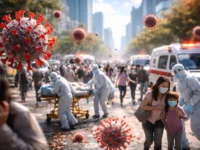













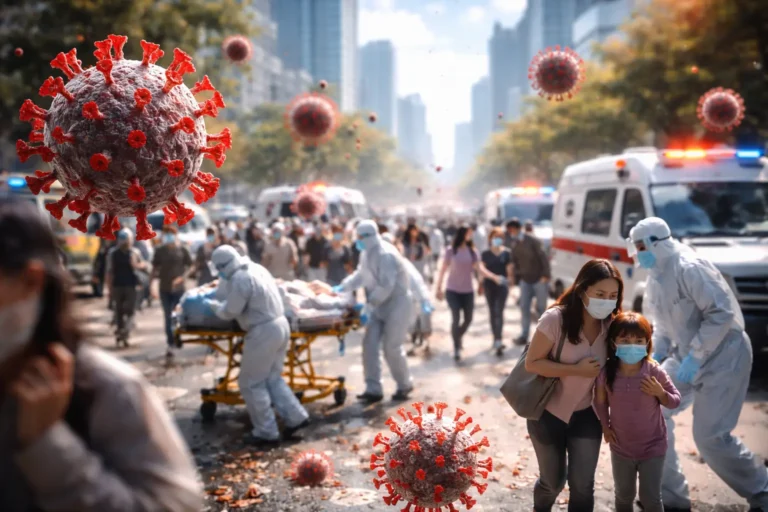
The world likes to believe it learned its lesson, that the chaos, fear, and disruption of the last pandemic forced governments, scientists, and health systems to build something stronger, something faster, something ready for whatever comes next, but if you look closely at the data, the reports, and the warnings quietly coming from global health experts, a different picture begins to emerge, one that feels less reassuring and far more fragile than most people realize.
Because the truth is simple and uncomfortable at the same time, the next pandemic is not a distant possibility, it is an eventual certainty, and despite everything that has happened, the world is still not fully prepared to face it.
The Illusion of Readiness
After the global crisis that reshaped economies and daily life, many countries invested heavily in vaccines, digital tracking systems, and emergency response plans, creating an impression that the world had entered a new era of preparedness.
And to some extent, progress is real. According to a 2026 update from the World Health Organization, more than 120 countries now have national public health agencies dedicated to managing health emergencies, and global systems for vaccine production and surveillance have expanded significantly.
But beneath these improvements lies a deeper issue that experts continue to highlight: preparedness is uneven, inconsistent, and in many places, dangerously incomplete.
A Harsh Reality: No Country Was Fully Ready
One of the most revealing findings from post-pandemic research is that no country in the world was fully prepared for a major outbreak, despite years of planning and global risk assessments.
This is not a minor oversight, it is a systemic failure.
Global preparedness rankings failed to predict how countries would actually perform during a real crisis, exposing a gap between theoretical readiness and real-world response.
In other words, plans existed, but execution broke down when it mattered most.
The Surveillance Problem: Fighting an Invisible Enemy Too Late
One of the biggest weaknesses that continues to worry experts is the lack of strong global surveillance systems capable of detecting new diseases early enough to stop them from spreading.
A global survey of infectious disease experts found that surveillance, testing capacity, and early detection systems remain among the weakest links in pandemic preparedness.
Think of it like a wildfire. If you spot the first spark, you can contain it. If you notice it after it has spread across miles, you are already too late.
Right now, in many parts of the world, that “first spark” is still going unnoticed.
Funding Gaps: The Quiet Collapse Behind the Scenes
Preparedness does not just depend on technology or planning, it depends heavily on sustained funding, and this is where another major crack begins to show.
Recent global reports warn that reductions in health and research budgets are already weakening pandemic readiness, even as risks continue to grow.
This creates a dangerous cycle, where attention spikes during a crisis but fades once the immediate threat passes, leaving systems underfunded and vulnerable once again.
Experts have repeatedly warned that without consistent financial investment, the cost of the next pandemic could exceed the last one, both in human lives and economic damage.
The Equity Gap: Who Gets Help First?
One of the most painful lessons from the last global outbreak was not just how fast the virus spread, but how unevenly help was distributed.
Vaccines, treatments, and medical supplies were not equally available, and in many lower-income regions, delays cost countless lives.
This is exactly why a global pandemic agreement was introduced, aiming to ensure fair access to vaccines, diagnostics, and healthcare tools in future outbreaks.
But agreements alone do not guarantee action.
The challenge is not just creating systems, it is making sure they work equally for everyone, everywhere.
The 100-Day Challenge: A Race Against Time
Health experts often talk about the “first 100 days” of an outbreak as the most critical window, the period where fast action can mean the difference between containment and global spread.
In theory, the goal is clear:
Detect quickly.
Respond immediately.
Deploy treatments and vaccines within weeks.
But in reality, many countries still lack the infrastructure to meet this timeline, especially when it comes to testing capacity, logistics, and coordination across borders.
The gap between what is needed and what is possible remains wide.
A World of Rising Risks
If preparedness gaps were the only concern, the situation would already be serious, but the risk itself is also increasing.
Scientists warn that factors like urbanization, climate change, and closer human-animal interaction are making outbreaks more likely than ever before.
Some estimates suggest that the probability of another pandemic occurring within a lifetime is significant and rising, driven by environmental changes and global connectivity.
This means the world is not just underprepared, it is facing a growing threat at the same time.
Coordination Failures: When Systems Don’t Talk
Another major weakness exposed during past outbreaks was the lack of coordination between countries, institutions, and even local health systems.
Information delays, policy differences, and fragmented responses slowed down global action, allowing outbreaks to spread faster than the systems designed to stop them.
Even today, experts say coordination remains one of the most difficult challenges, especially when political priorities conflict with public health needs.
Technology Helps, But It’s Not Enough
There is no doubt that technology has improved pandemic response, from vaccine development to digital tracking tools and data modeling.
But technology alone cannot solve structural problems like weak healthcare systems, lack of trained personnel, and public mistrust.
Preparedness is not just about tools, it is about systems, people, and trust working together.
Public Trust: The Invisible Factor
One of the most underestimated gaps in pandemic preparedness is public trust.
Without trust, even the best policies fail.
Vaccine hesitancy, misinformation, and confusion about health guidelines can slow down response efforts, turning manageable outbreaks into larger crises.
Experts emphasize that clear communication and transparency are just as important as medical infrastructure when it comes to handling future pandemics.
Disclaimer: Separating Fear from Facts
It is important to approach this topic with clarity and responsibility.
The presence of preparedness gaps does not mean a catastrophic event is guaranteed, nor does it suggest that the world is defenseless.
There has been real progress in surveillance, vaccine development, and global cooperation.
However, the evidence shows that critical weaknesses still exist, and acknowledging them is essential for improving future responses.
So, How Ready Is the World?
The most honest answer is this:
The world is more prepared than before, but not prepared enough.
There are better tools, faster science, and stronger awareness, but also uneven systems, funding challenges, and gaps in coordination that could slow down response when speed matters most.
Preparedness is not a fixed state, it is a continuous process, and right now, that process is still incomplete.
Conclusion
Pandemics do not wait for perfect systems, they exploit weaknesses, move through gaps, and spread faster than hesitation.
The next outbreak will not arrive with a warning sign or a countdown, it will begin quietly, somewhere, and what happens next will depend entirely on how prepared the world truly is, not in theory, but in action.
And that is where the real question remains unanswered.
Not whether another pandemic will happen, but whether the world will respond differently when it does.
FAQs
What are the biggest gaps in pandemic preparedness?
The biggest gaps include weak surveillance systems, lack of funding, unequal access to healthcare, and poor global coordination.
Is the world better prepared than before?
Yes, but not enough. Improvements have been made, but major weaknesses still exist.
How quickly can a new pandemic spread?
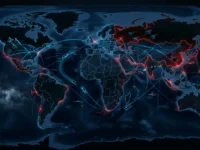
If not detected early, a new outbreak can spread globally within weeks due to travel and connectivity.
What is the 100-day response goal?
It is a strategy to detect, respond, and deploy treatments within the first 100 days of an outbreak.
Are future pandemics likely?
Yes, experts say the risk is increasing due to environmental and societal changes.

0 Comments