















By Ronald Kapper
When Radar Told a Story Pilots Couldn’t Ignore
In the silent glow of radar screens, something strange has been appearing for decades. Operators trained to detect missiles, jets, and satellites began tracking objects that behaved unlike anything in their manuals. These were not blips that flickered and vanished like noise. They were solid, tracked, measured — and sometimes terrifyingly fast.
Recent declassified reports and technical studies describe objects accelerating suddenly, shifting direction instantly, and reaching speeds that would normally tear apart any known aircraft. The question that keeps returning is simple but unsettling: are these sensor errors, secret technology, or something science has not yet understood?
This investigation brings together leaked radar observations, official reports, and scientific analysis — not speculation, not fiction, but real documented anomalies that forced experts to rethink what they were seeing.
The Moment Radar Showed “Impossible Motion”
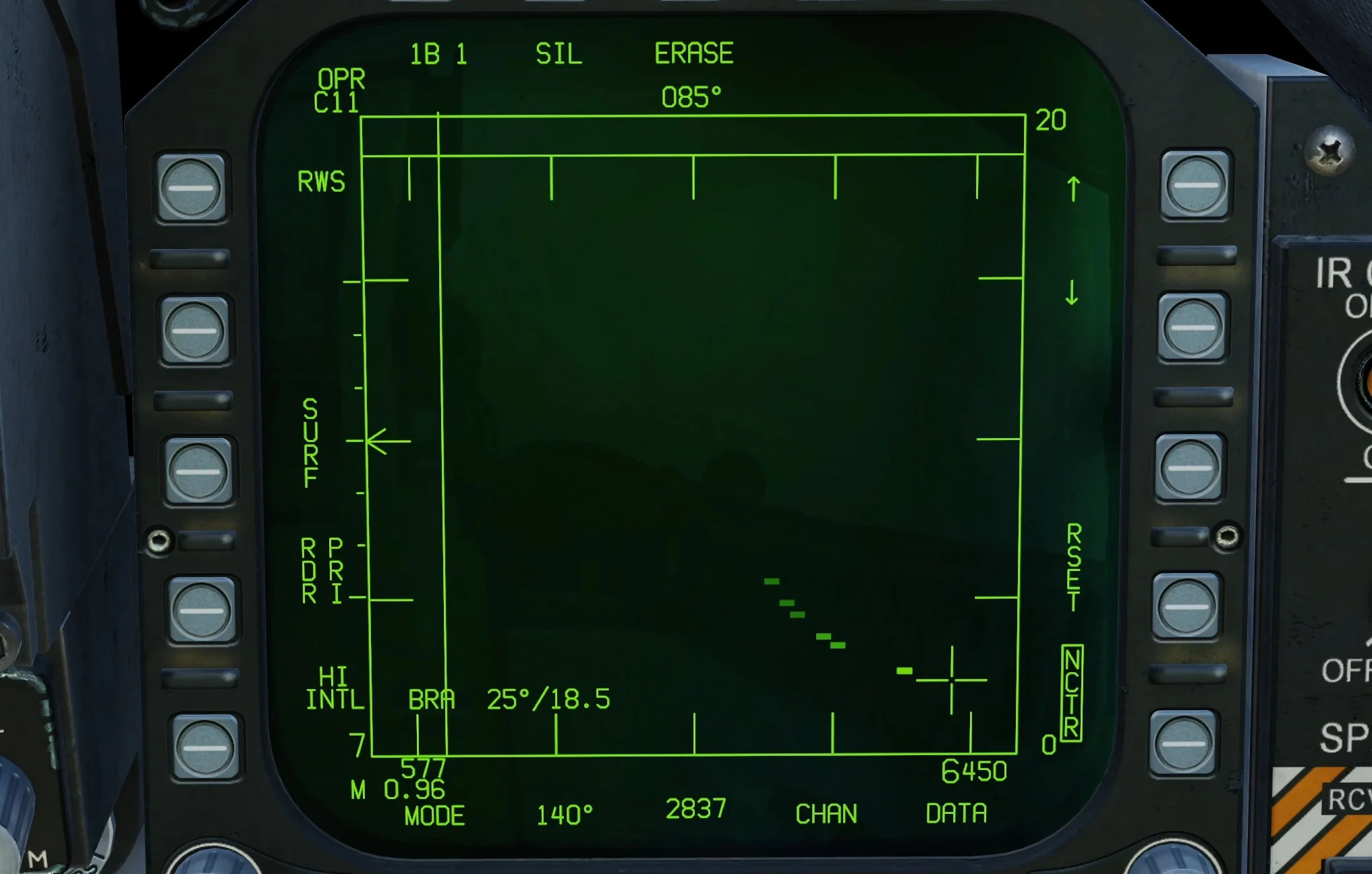
Radar is one of the most reliable detection tools in aviation. It measures speed, distance, and trajectory using physics that engineers understand very well. When radar repeatedly shows an object accelerating beyond known limits, experts do not dismiss it easily.
One historical CIA-documented radar encounter described an unknown object tracked at over 5,000 mph, a speed that shocked the radar officer who recalibrated his equipment — only to find the reading was still correct.
Even decades later, similar radar-supported encounters continue to surface in military reporting, many involving sudden acceleration, hovering, and rapid directional changes that remain unexplained.
These readings were not from hobbyist devices or civilian guesswork. They came from professional defense radar — the same systems used to track missiles and hostile aircraft.
The Pentagon Files — Speed Without Sonic Boom
In recent years, U.S. intelligence released assessments describing unidentified objects observed by military pilots and sensors. The report did not identify what these objects were, but it documented unusual characteristics.
Some objects appeared to move at very high velocity, maneuver sharply, and even break the sound barrier without producing a sonic boom, something physics says should be impossible for conventional craft.
The same report confirmed that many UAP cases relied on Navy radar data and sensor systems, highlighting that these were not isolated visual sightings but instrument-verified events.
This raised a critical issue: radar does not hallucinate. When multiple sensors — radar, infrared, and visual — confirm the same object, the anomaly becomes harder to dismiss.
Hypersonic Motion — Beyond Known Engineering

Scientists studying these reports describe several recurring traits:
- Extremely high speeds
- Instant acceleration
- Sharp turns without visible propulsion
- Long hovering periods
These characteristics challenge aeronautical engineering because the forces involved would normally destroy any physical craft.
Former investigators even described a set of recurring behaviors sometimes called the “five observables,” including hypersonic velocity and unusual maneuverability without wings or engines.
These observations do not confirm unknown technology — but they show the motion recorded is not typical.
Modern Radar Encounters — Still Happening
Military reporting has not slowed. In fact, recent Pentagon data shows hundreds of new cases reported within a single year, many involving radar or sensor detection near military training zones.
Experts note that most sightings eventually receive explanations such as balloons, drones, or sensor artifacts. Yet a portion remains unresolved even after analysis, meaning the recorded data did not match known objects.
That unresolved fraction — small but persistent — is what continues to drive investigation.
Physics vs Unknown Technology
Could these speeds be real? If so, what could produce them?
There are several possibilities:
1. Sensor Misinterpretation
Radar can produce misleading results under rare conditions such as signal reflection, atmospheric interference, or data fusion errors. Some UAP incidents may fall into this category.
2. Secret Human Technology
Advanced experimental aircraft or hypersonic platforms might explain some cases, though many maneuvers described exceed publicly known engineering capabilities.
3. Natural Phenomena
Atmospheric plasma, rare weather events, or electromagnetic effects can sometimes create unusual radar signatures.
4. Unknown Category
A small number of cases remain unexplained even after analysis — not proof of anything extraordinary, but evidence that more study is needed.
NASA itself launched a scientific study to better understand UAP data and improve how such events are analyzed using modern radar and observation systems.
Future radar missions with higher resolution may help verify whether extreme acceleration signatures are real or misinterpreted.
What Scientists Say
Scientists remain cautious. Official investigations state there is no confirmed evidence that any UAP represents extraterrestrial technology.
However, researchers studying flight characteristics acknowledge that some recorded movements — especially extreme acceleration and sudden directional change — are unusual enough to warrant further analysis.
In short: unexplained does not mean alien, but unexplained still deserves attention.
Why Radar Data Matters
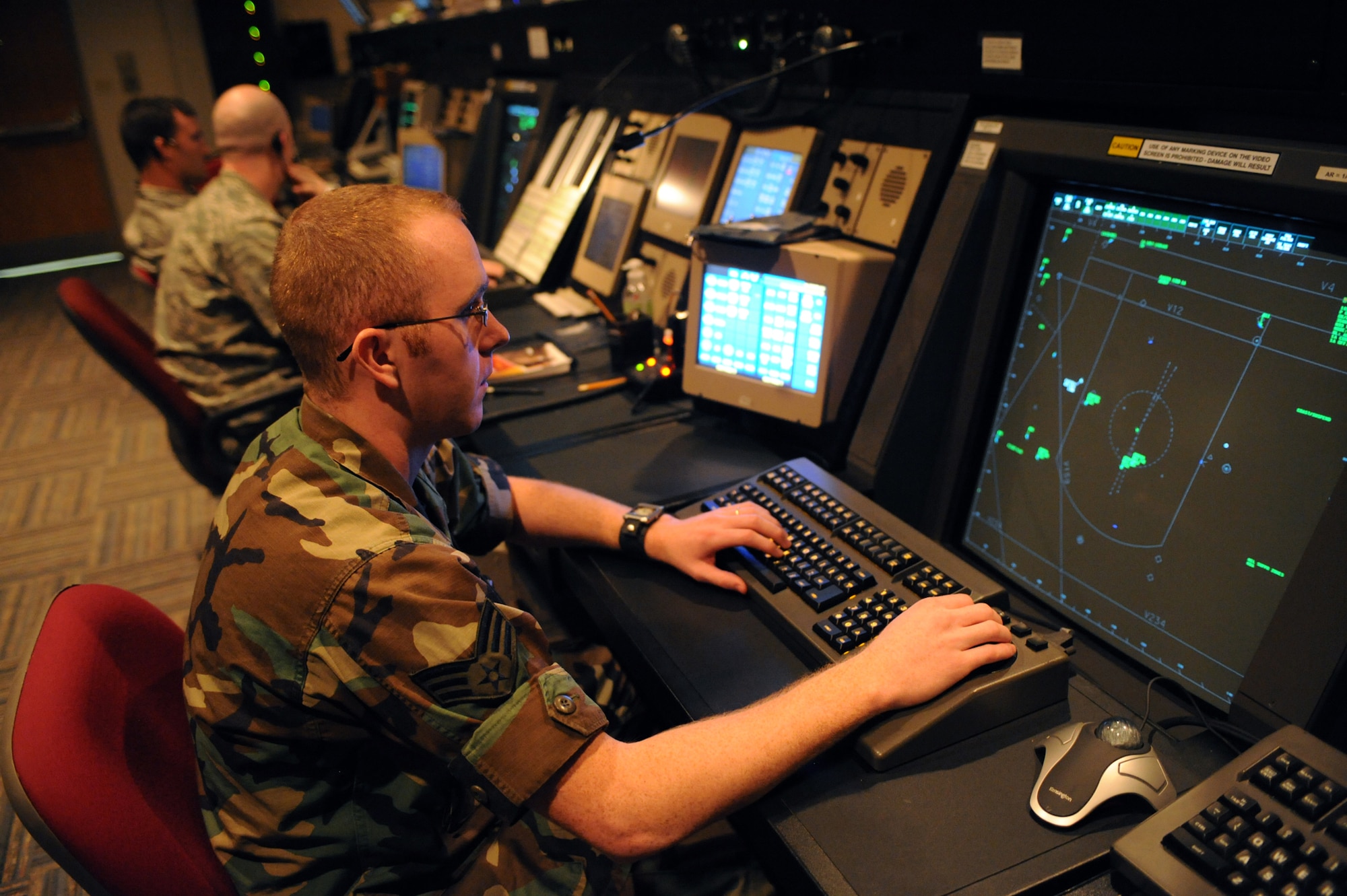
Unlike eyewitness reports, radar provides measurable evidence. It records:
- Speed
- Direction
- Altitude
- Acceleration
When multiple sensors confirm the same anomaly, the probability of simple error decreases.
Military documentation emphasizes that official UAP cases often include corroborating sensor data and operational records, distinguishing them from casual sightings.
This is why radar-based cases receive the most scientific and intelligence attention.
The Human Factor — Pilots Reacting to the Unknown
Several released cockpit recordings reveal trained pilots reacting with surprise when tracking fast-moving objects. The Pentagon released videos partly to confirm that the footage and pilot reactions were authentic and not fabricated.
These reactions matter because pilots are trained to identify aircraft quickly. When they cannot, the event becomes operationally significant.
The Ongoing Investigation
Today, UAP research is treated less like mystery and more like a scientific and national-security issue. Intelligence agencies now collect standardized reports, radar data, and sensor recordings to determine whether these objects represent:
- Advanced technology
- Natural atmospheric phenomena
- Sensor anomalies
- Or something still unknown
The answer is not yet final.
FAQs
Q1: Are these radar readings proof of alien spacecraft?
No. Official investigations have not confirmed extraterrestrial technology. The data shows unexplained motion, not confirmed origin.
Q2: Could radar be wrong?
Yes, under certain rare conditions radar can misinterpret signals. However, cases supported by multiple sensors are taken more seriously.
Q3: Why are some cases still unresolved?
Because available data was insufficient to match known aircraft, weather, or sensor errors.
Q4: Are governments hiding the truth?
Most released reports show uncertainty, not concealment. Many cases remain classified due to defense sensitivity.
Q5: Will we get clearer answers in the future?
Possibly. Improved radar, satellite observation, and scientific analysis may provide better explanations.
Disclaimer — Careful Interpretation Required
This article is based on declassified reports, scientific research, and documented radar observations. “Unexplained” does not mean extraterrestrial or supernatural. Many cases later receive ordinary explanations, and ongoing research continues to evaluate the remaining anomalies. The purpose of this article is informational and investigative, not speculative.

0 Comments