


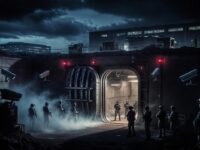








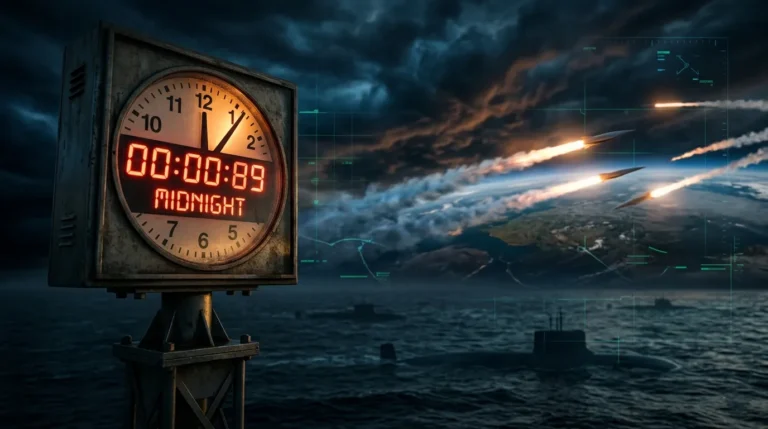
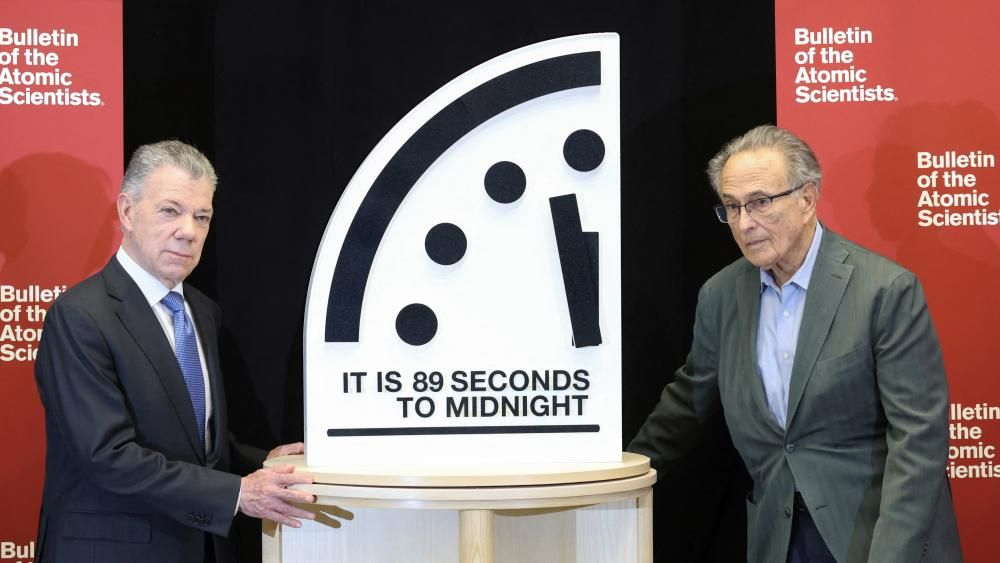
The moment the Doomsday Clock was pushed to just 89 seconds before midnight, it stopped being a distant symbolic warning and started feeling like a real, immediate signal that the world has entered a far more dangerous phase than anything experienced during the Cold War, because the threats facing humanity today are not only more advanced but also far less predictable, driven by technology that is evolving faster than global leaders can regulate or even fully understand.
For decades, people believed the Cold War represented the peak of nuclear danger, a time when two superpowers held the world hostage with massive arsenals, yet even in that tense period there existed a strange kind of balance, a fragile understanding that any nuclear strike would lead to mutual destruction, which in turn created a deterrent that prevented direct conflict, but that balance is now rapidly eroding in a world where speed, automation, and artificial intelligence are rewriting the rules of warfare.
The current moment is increasingly described by experts as the beginning of the Third Nuclear Era, a phase where nuclear risk is no longer defined by slow decision-making or predictable strategies, but by rapid-response weapons, autonomous systems, and geopolitical instability involving multiple powerful nations rather than just two dominant rivals, making the global security environment far more complex and significantly more dangerous than before.
From Cold War Stability to Modern Instability
During the Cold War, the concept of Mutually Assured Destruction acted as a grim but effective stabilizer, because both sides understood that launching nuclear weapons would guarantee their own destruction, creating a psychological barrier that prevented escalation beyond a certain point, but that logic depended heavily on time, communication, and human judgment, all of which are now being compressed or even removed entirely in modern military systems.
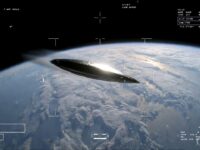
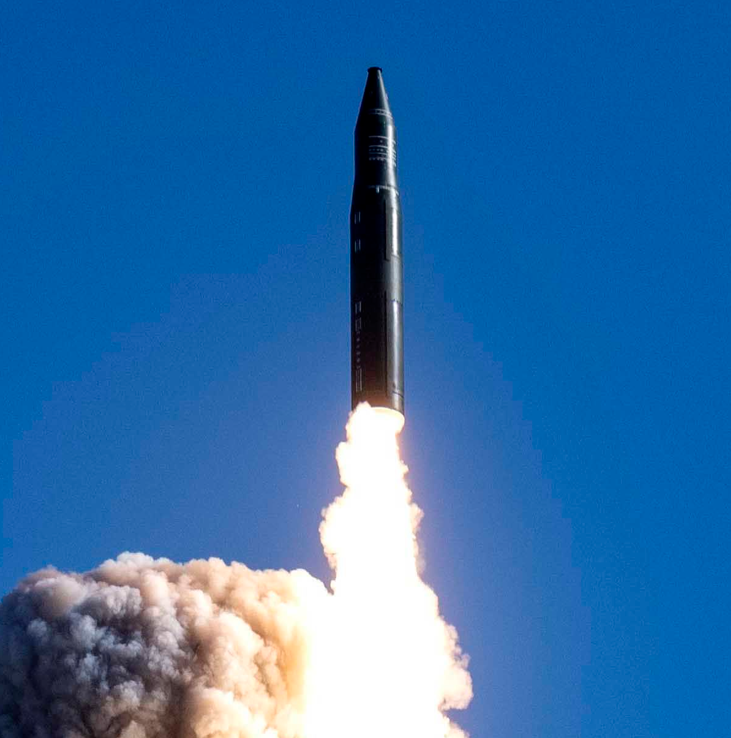
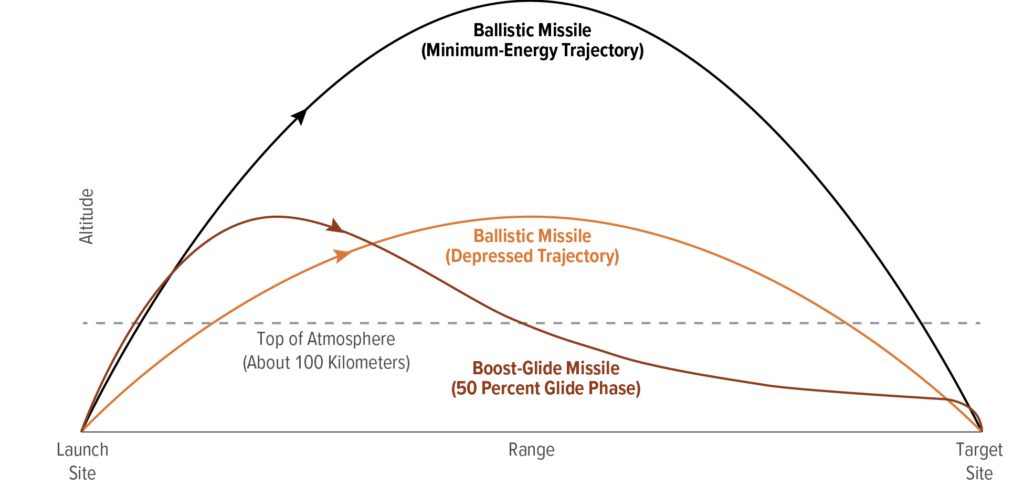
Today, the introduction of hypersonic missiles has dramatically changed how quickly a nuclear strike could occur, because these weapons travel at speeds greater than Mach 5 and can maneuver unpredictably, making them extremely difficult to detect and intercept, which reduces the reaction time for decision-makers from minutes to potentially seconds, increasing the risk of miscalculation or accidental escalation in ways that were far less likely during earlier decades.
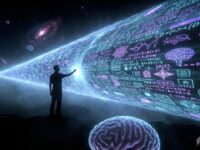
At the same time, artificial intelligence is being integrated into military command systems, surveillance networks, and even targeting processes, which raises serious concerns about how decisions might be made in high-pressure situations where speed is prioritized over human oversight, because while AI can process vast amounts of data quickly, it does not possess human judgment, emotional understanding, or the ability to fully grasp the consequences of its actions in the way a human decision-maker can.
The Rise of the Third Nuclear Era
The Third Nuclear Era is not just an extension of past nuclear tensions but a fundamentally different landscape where multiple countries possess advanced capabilities, including not only the United States and Russia but also China, and other nations that are rapidly modernizing their arsenals, creating a multi-polar system that is inherently more unstable because it involves more actors, more interests, and more potential points of conflict.
In this new era, nuclear weapons are no longer just about deterrence but are increasingly being integrated into broader military strategies that include cyber warfare, space-based systems, and autonomous technologies, which means that a conflict could escalate across multiple domains simultaneously, making it far more difficult to control or de-escalate once it begins.
One of the most concerning developments is the growing use of AI-guided submarines and underwater drones, which are designed to operate with minimal human intervention and can remain hidden for long periods, creating a scenario where nuclear-armed systems could be deployed in ways that are difficult to track or verify, increasing uncertainty and reducing trust between nations, which has always been a critical factor in preventing nuclear war.
Why the Doomsday Clock Matters More Than Ever
The Doomsday Clock is often misunderstood as a dramatic symbol, but it is actually based on careful analysis by scientists and security experts who assess global risks each year, taking into account not only nuclear threats but also climate change, emerging technologies, and political instability, making it one of the most comprehensive indicators of global danger available today.
The decision to move the clock closer to midnight reflects a combination of factors, including the breakdown of arms control agreements, increasing geopolitical tensions, rapid technological advancements, and the lack of effective global cooperation, all of which contribute to a world that is becoming more volatile and less predictable with each passing year.
Unlike in the past, where major powers maintained direct communication channels and formal agreements to manage nuclear risks, the current environment is marked by mistrust, fragmented alliances, and competing technological races, which makes it harder to establish the kind of stability that once prevented catastrophic conflict.
The Dangerous Role of Artificial Intelligence in Warfare
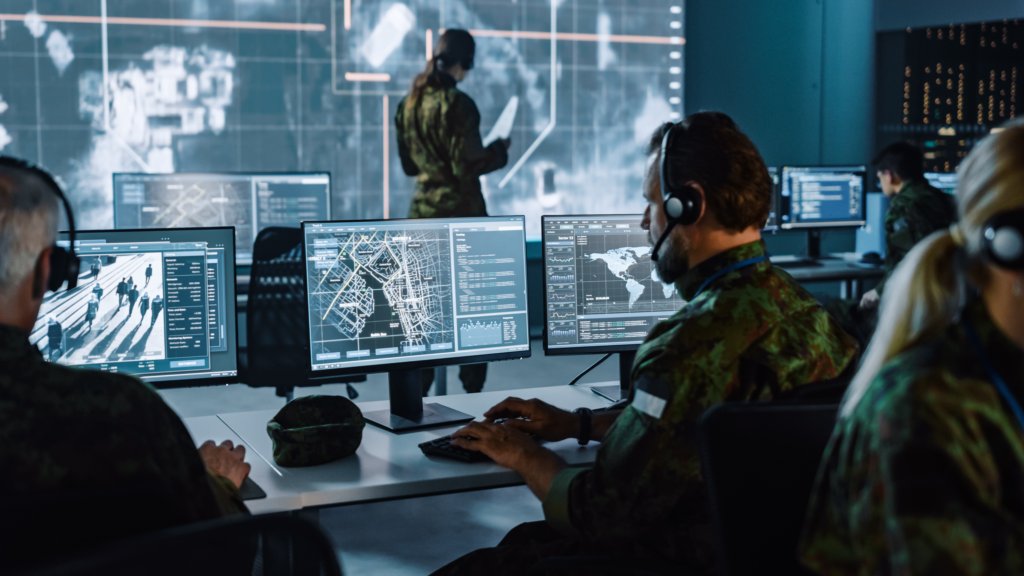
Artificial intelligence is often presented as a tool that can enhance efficiency and improve decision-making, but in the context of military applications, it introduces a new layer of risk because it can accelerate the pace of conflict beyond human control, particularly when integrated into systems that are designed to respond automatically to perceived threats.
In a high-stakes situation, an AI system might interpret data incorrectly or act on incomplete information, triggering a chain of events that escalates rapidly, especially if opposing systems are also automated and responding in real time, creating a feedback loop where actions and reactions occur faster than humans can intervene.
This raises a critical question about accountability, because if a machine makes a decision that leads to a catastrophic outcome, it becomes unclear who is responsible, and this lack of clarity can further complicate efforts to establish rules or agreements governing the use of such technologies in warfare.
Hypersonic Weapons and the Collapse of Reaction Time
Hypersonic missiles represent one of the most significant technological shifts in modern warfare because they are capable of traveling at extreme speeds while maneuvering unpredictably, making them nearly impossible to defend against with current systems, which fundamentally changes the strategic balance by reducing the time available for detection, verification, and response.
In the past, early warning systems provided a buffer that allowed leaders to confirm threats and consider their options, but with hypersonic weapons, that buffer is shrinking rapidly, increasing the likelihood of decisions being made under extreme pressure and uncertainty, which is precisely the kind of environment where mistakes are most likely to occur.
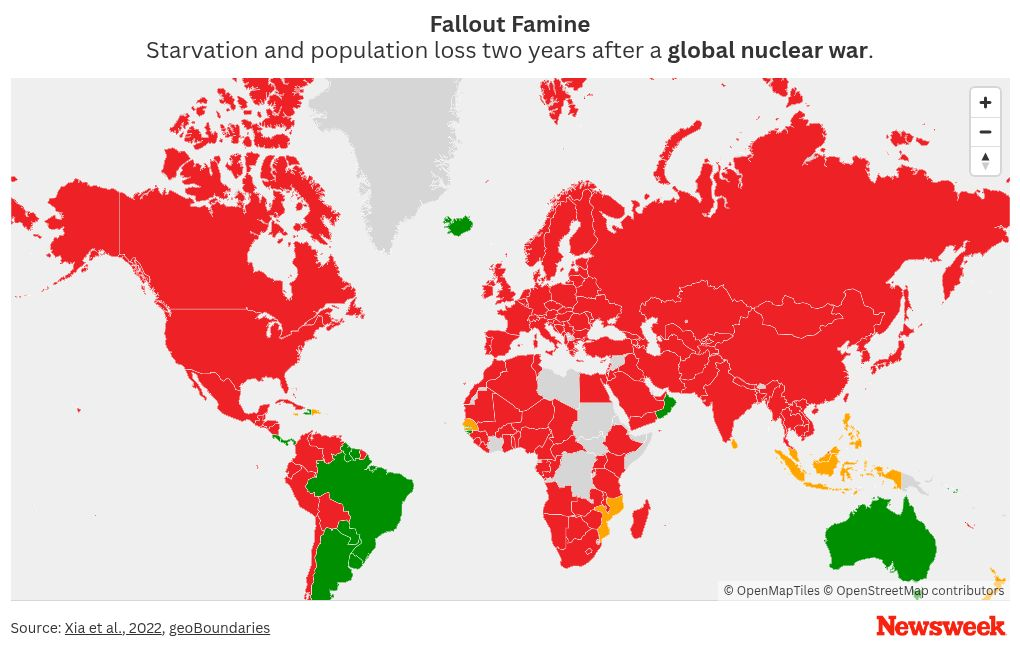
This compression of time does not just increase the risk of intentional conflict but also raises the possibility of accidental war, where a false alarm or misinterpretation could lead to a rapid escalation that spirals out of control before anyone has the chance to stop it.
A World Without Strong Guardrails
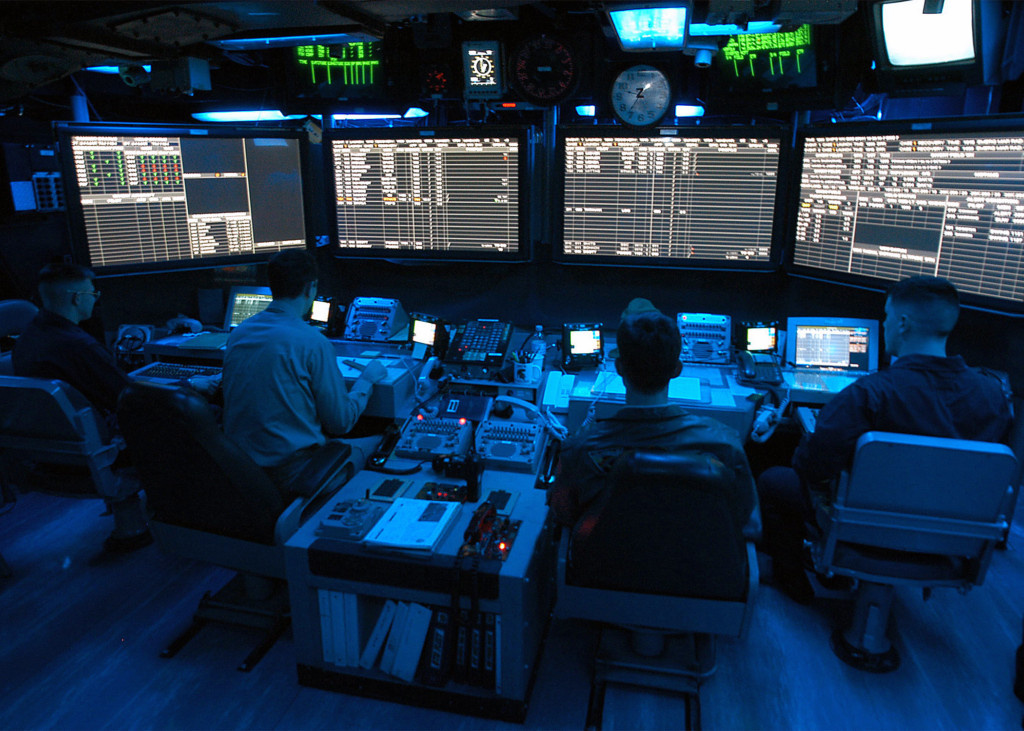
Another major concern is the weakening of international agreements that once helped regulate nuclear weapons and reduce the risk of conflict, because many of these treaties have either collapsed or are no longer being enforced effectively, leaving a gap in the global security framework that has yet to be filled.
Without these agreements, countries are free to develop new technologies and expand their arsenals with fewer constraints, which not only increases the overall level of risk but also creates a competitive environment where nations feel compelled to keep up with each other, further accelerating the arms race.
This lack of coordination is particularly dangerous in a world where new technologies are emerging rapidly, because there are few established norms or rules governing their use, making it difficult to predict how they might be deployed in a crisis.
Why This Moment Feels Different
What makes the current situation especially alarming is not just the presence of multiple risks but the way they are converging, because nuclear weapons, artificial intelligence, cyber capabilities, and geopolitical tensions are all interacting in ways that amplify each other, creating a level of complexity that is far greater than anything seen in previous decades.
This convergence means that a crisis in one area could quickly spill over into others, leading to a chain reaction that is difficult to contain, particularly in a world where communication is often strained and trust between nations is limited.
The Doomsday Clock’s position at 89 seconds to midnight is therefore not just a reflection of individual threats but a signal that the overall system is becoming increasingly unstable, with fewer safeguards and more potential triggers for catastrophic events.
Can the Clock Be Turned Back?
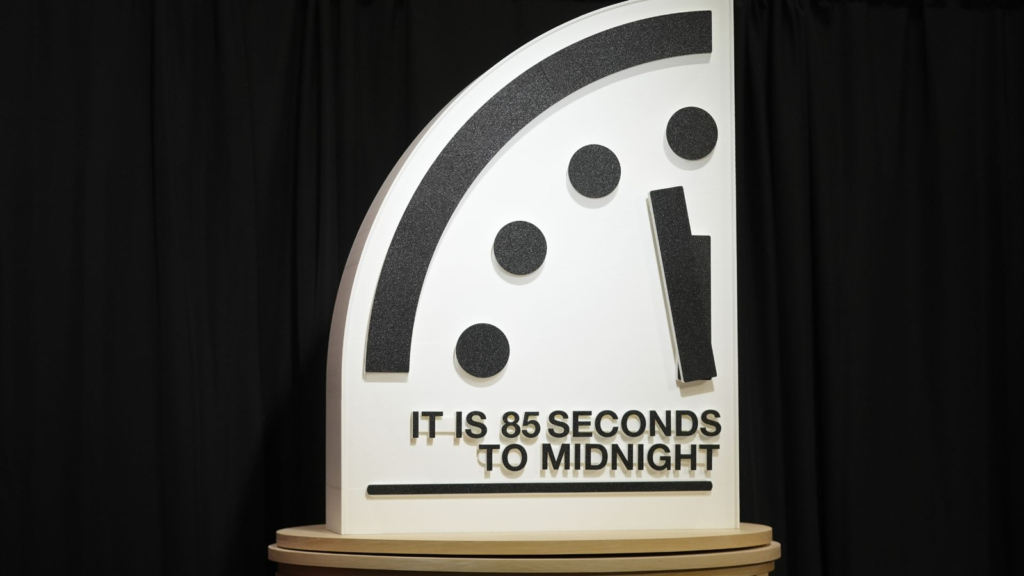
Despite the seriousness of the situation, experts emphasize that the Doomsday Clock is not a prediction but a warning, which means there is still an opportunity to reduce risks and move away from the brink, but doing so will require coordinated efforts across multiple areas, including arms control, technological regulation, and international cooperation.
Rebuilding trust between nations will be essential, as will the development of new agreements that address modern technologies such as AI and hypersonic weapons, because the frameworks created during the Cold War are no longer sufficient to manage the challenges of today.
At the same time, there is a growing recognition that public awareness and pressure can play a role in shaping policy, as people around the world demand greater accountability and action from their leaders to address these risks before it is too late.
FAQs
What is the Doomsday Clock?
The Doomsday Clock is a symbolic measure created by scientists to represent how close humanity is to global catastrophe, including nuclear war and other major threats.
Why is it set to 89 seconds to midnight?
It reflects increasing global risks such as nuclear tensions, AI in warfare, and weakening international agreements.
What is the Third Nuclear Era?
It refers to the current phase of global nuclear risk involving multiple countries, advanced technologies, and less predictable strategies.
Are hypersonic missiles really that dangerous?
Yes, because they travel extremely fast and are difficult to detect or intercept, reducing reaction time and increasing the risk of escalation.
Can artificial intelligence start a war?
AI itself does not have intent, but its use in military systems can increase the risk of rapid escalation or miscalculation.
Final Disclaimer and Context
This article is based on publicly available scientific assessments, defense analysis, and global security reports, and while it reflects real concerns expressed by experts, the Doomsday Clock remains a symbolic indicator rather than a literal countdown to destruction, meaning that its purpose is to inform and encourage action rather than to predict a specific outcome.
References and Sources
https://thebulletin.org/doomsday-clock/
https://www.armscontrol.org
https://www.sipri.org
https://www.un.org/disarmament
https://www.rand.org/topics/hypersonic-weapons.html

0 Comments