















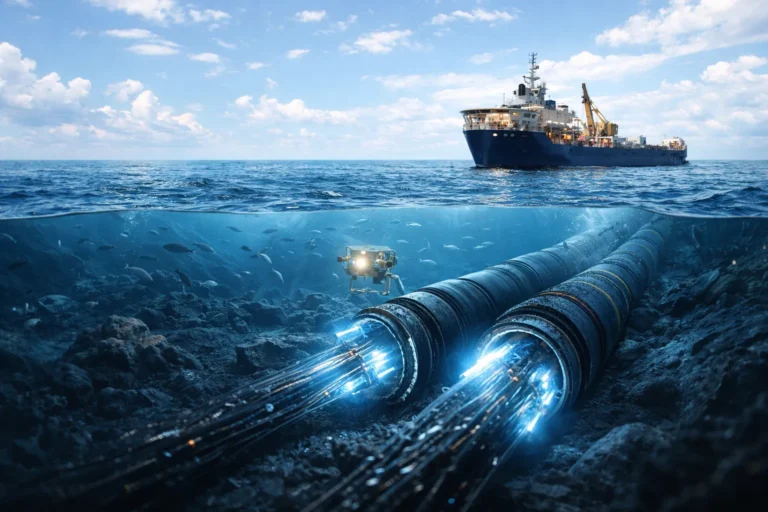
There is a quiet system running beneath the oceans that most people never think about, yet it carries almost everything we do online, from messages and video calls to financial transactions and global data flows, and it does so at a scale that is difficult to fully grasp unless something goes wrong.
It is easy to assume that the internet lives somewhere in the air, in satellites, in invisible signals floating around the planet, but the truth is far more grounded and far more fragile, because more than 95 percent of international data travels through physical cables laid across the seabed, stretching for hundreds of thousands of kilometers across oceans.
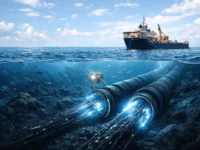
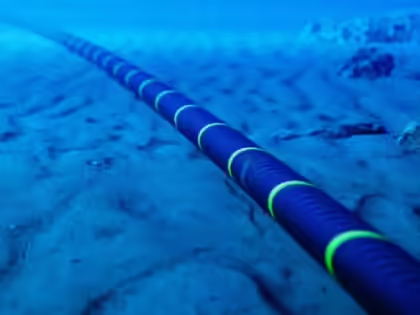
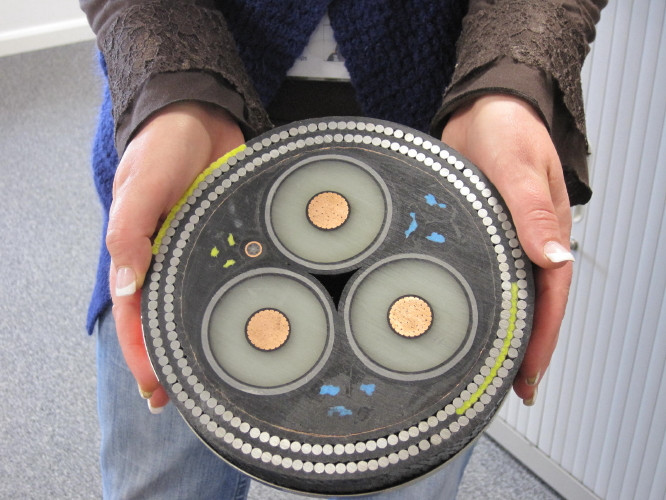
These cables are not futuristic objects protected by advanced systems; they are long strands of fiber optic glass, often no thicker than a garden hose, resting quietly on the ocean floor, exposed to natural hazards, human activity, and increasingly, geopolitical tension.
And in a world where everything depends on connectivity, that fragility is starting to feel like a risk that is too big to ignore.
The Internet’s Most Important Secret
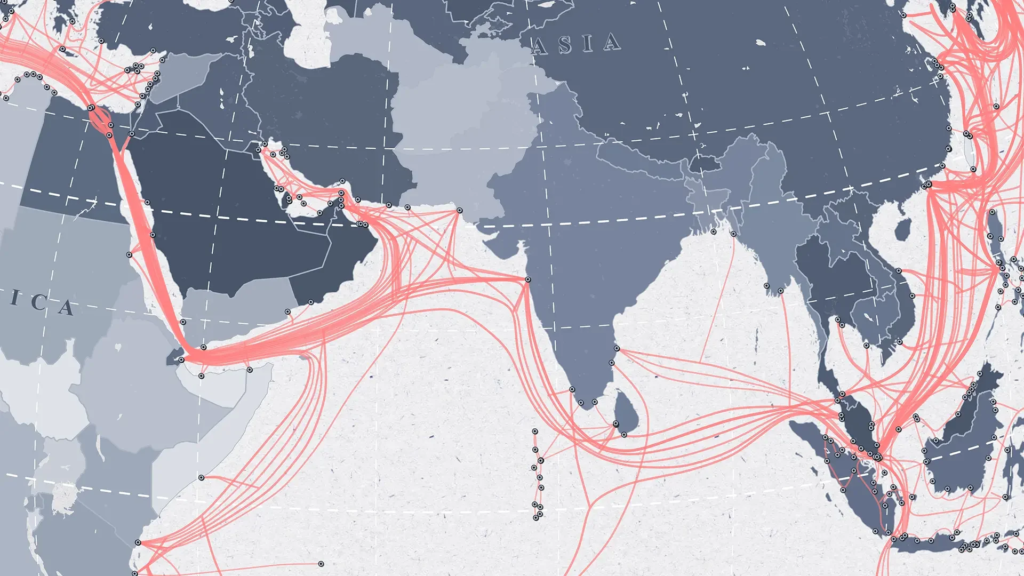
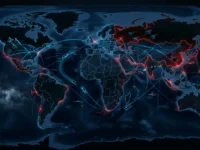
If you could zoom out and look at the planet from space, what you would not see are the real highways of the digital world, because they are hidden beneath the water, linking continents in a vast and intricate web.
These undersea cables connect major data hubs across North America, Europe, Asia, and beyond, forming the core infrastructure that allows the internet to function at high speed and low latency.
Without them, the modern world would slow down in ways that feel almost unimaginable.
Financial markets would struggle to operate in real time.
Cloud services would fail to sync across regions.
International communication would become delayed, unstable, and unreliable.
And yet, despite their importance, these cables rarely enter public conversation unless something breaks.
What Happens When a Cable Fails
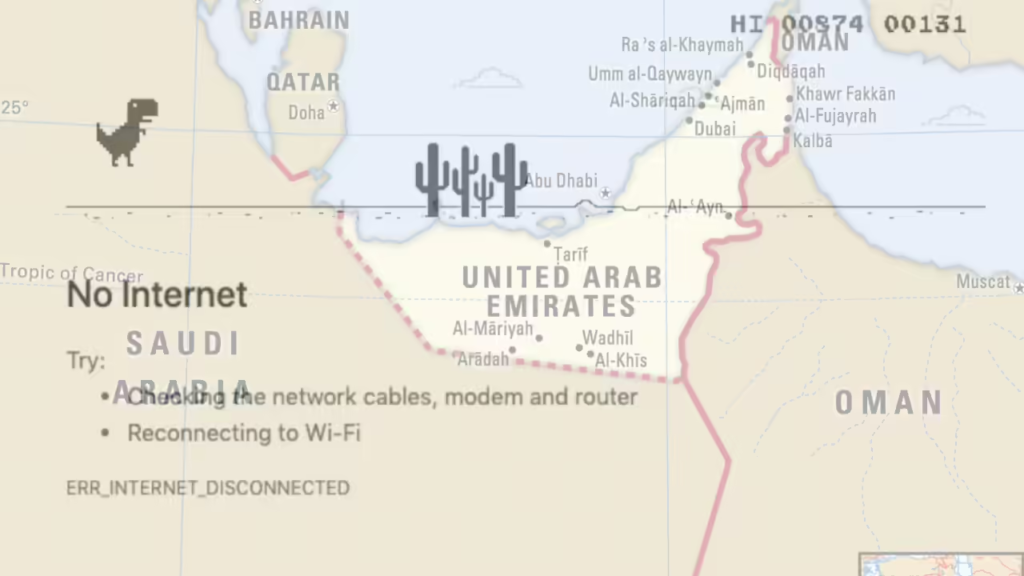
Cable disruptions are not rare events.
They happen more often than most people realize, usually caused by fishing trawlers, ship anchors, underwater landslides, or natural disasters such as earthquakes.
In fact, a significant portion of cable damage each year is linked to accidental human activity, especially in busy maritime zones.
When a cable is cut, the impact depends on how many alternative routes are available.
In regions with strong redundancy, traffic can be rerouted with minimal disruption.
But in areas with limited connectivity, even a single break can lead to widespread outages, slow internet speeds, and communication breakdowns.
There have been instances where entire regions experienced major slowdowns because multiple cables were damaged at the same time, forcing networks to rely on limited backup capacity.
Repairing a cable is not as simple as fixing a wire on land.
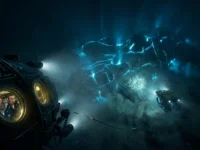
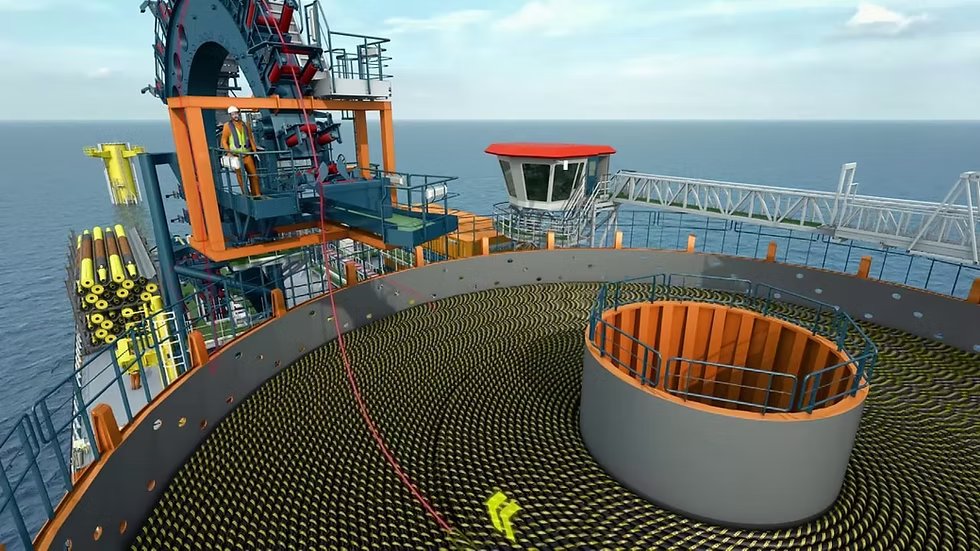
Specialized ships must locate the break, retrieve the cable from the seabed, repair it, and carefully lower it back into place, a process that can take days or even weeks depending on conditions.
During that time, the affected region operates in a reduced state of connectivity.
A New Layer of Risk: Geopolitics Beneath the Sea
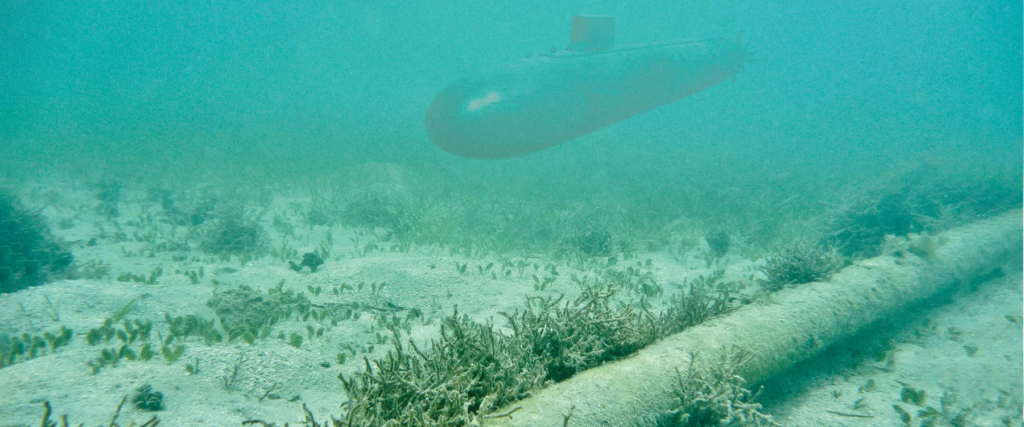
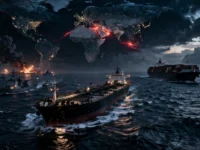
What makes the current moment different is not just the physical vulnerability of these cables, but the growing awareness that they could become targets in times of conflict.
Undersea cables are difficult to monitor continuously, especially in deep ocean regions where surveillance is limited.
This makes them an attractive point of disruption for actors looking to create impact without direct confrontation.
Recent incidents have raised concerns among security experts, including cases where cables were damaged under unclear circumstances, prompting investigations into whether they were accidental or deliberate.
Governments and defense organizations have started to pay closer attention to this hidden infrastructure, recognizing that control over data flow is just as important as control over physical territory.
The idea that a small number of strategic disruptions could affect global communication is no longer theoretical.
It is part of ongoing discussions in policy and security circles.
The Financial System’s Silent Dependency
One of the least visible but most critical dependencies on undersea cables is the global financial system.
Every second, millions of transactions move across borders, relying on near-instant communication between financial centers.
Stock markets, banking systems, payment networks, and currency exchanges all depend on stable, high-speed connections.
Even a slight delay can have measurable consequences.
A major disruption, even if temporary, could lead to volatility, uncertainty, and operational challenges across markets.
This is why financial institutions invest heavily in redundancy and backup systems, but those systems still rely on the same underlying infrastructure.
At the core, the cables remain the foundation.
The Illusion of Digital Independence
There is a growing belief that digital systems are resilient because they are decentralized and cloud-based.
While there is some truth to that, the physical layer of the internet tells a different story.
The network may appear distributed, but the pathways it relies on are concentrated and limited.
A relatively small number of cables carry the majority of global data traffic.
That concentration creates efficiency, but it also creates risk.
If multiple cables in a region are disrupted at the same time, the system can become strained quickly.
This is not about a complete shutdown of the internet, which is highly unlikely, but about partial disruptions that can still have serious consequences for economies and societies.
Why Repair and Protection Are So Difficult
Protecting undersea cables is a complex challenge.
Unlike land-based infrastructure, these cables span vast and often remote areas of the ocean, making constant monitoring impractical.
Even detecting a problem can take time, depending on where it occurs.
Efforts are being made to improve resilience, including:
- Building additional cable routes
- Strengthening monitoring systems
- Enhancing international cooperation
- Investing in faster repair capabilities
But each of these measures comes with cost and logistical challenges.
The ocean is not an easy environment to control.
The Human Side of a Hidden Crisis
Behind the technical details lies a human reality that is often overlooked.
When connectivity is disrupted, it affects everyday life in ways that are both immediate and deeply personal.
Businesses struggle to operate.
Students lose access to online education.
Families face communication barriers.
Emergency services may encounter delays in coordination.
In regions that rely heavily on digital infrastructure, even short disruptions can create ripple effects that last far longer than the outage itself.
A Careful Look at the Future
It is important to approach this topic with balance.
The global internet is designed to be resilient, and complete collapse scenarios are extremely unlikely.
However, localized disruptions, regional slowdowns, and targeted incidents are realistic risks that are already being observed.
The growing focus on undersea cables reflects a broader understanding that digital infrastructure is not just a technical issue, but a strategic one.
As the world becomes more connected, the systems that support that connection become more critical and, in some ways, more vulnerable.
FAQs
Q1: What are undersea cables made of?
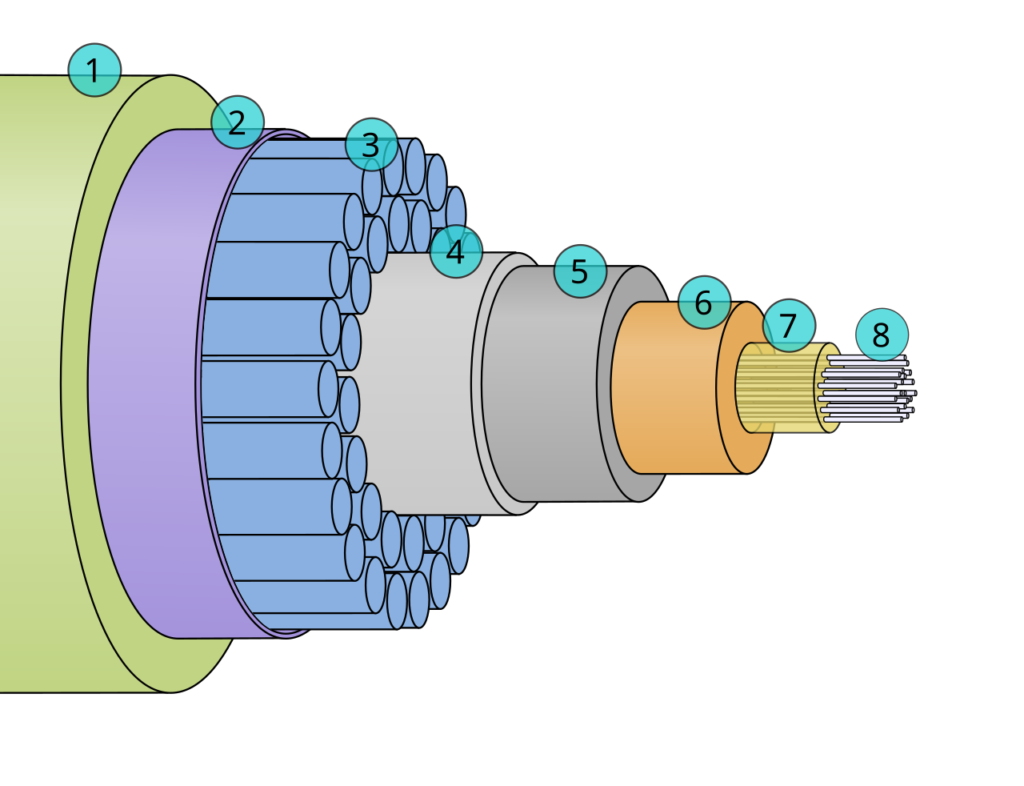
They are primarily made of fiber optic strands encased in protective layers, designed to transmit data using light signals at high speed.
Q2: How much of the internet depends on undersea cables?
More than 95 percent of international data traffic travels through these cables.
Q3: Can a single cable cut cause a global outage?
No, but it can cause regional disruptions, especially in areas with limited backup routes.
Q4: Are undersea cables protected from attacks?
They are monitored and protected to some extent, but their vast coverage makes complete protection difficult.
Q5: How long does it take to repair a damaged cable?
It can take several days to weeks, depending on the location and conditions.
Disclaimer:
This article is based on publicly available data, expert analysis, and documented incidents related to undersea cable infrastructure. It does not claim imminent global outages but explores realistic risks and vulnerabilities associated with critical internet systems.

0 Comments