


















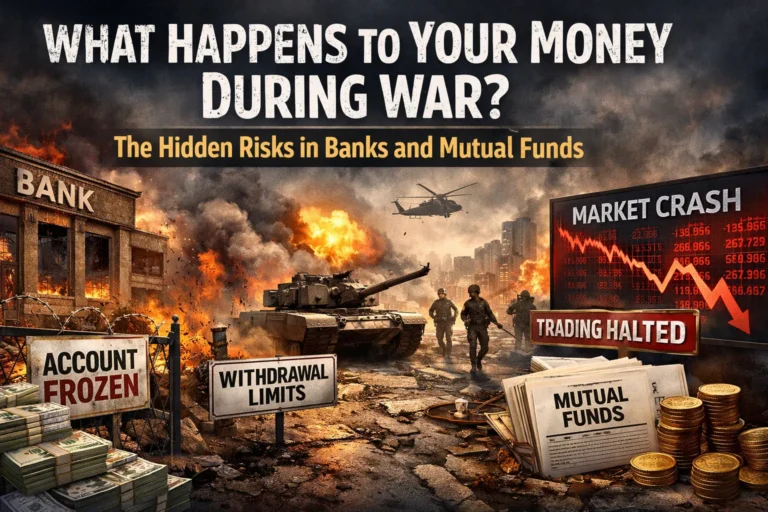
When war begins, the first thing people worry about is safety—but the second is something just as critical: can you still access your own money?
When War Begins, Financial Assumptions Collapse
When people think about war, they imagine missiles, soldiers, borders, and geopolitics, but what often gets overlooked—and yet becomes deeply personal almost overnight—is the sudden fragility of money, because the system that gives money its meaning is built on trust, stability, and uninterrupted access, all of which are severely tested the moment a country enters a serious conflict or faces a major geopolitical shock, and that is exactly when ordinary citizens begin asking a question that sounds simple but carries enormous weight: Where is my money actually safest?

For decades, modern economies have conditioned people to trust banks, digital systems, and investment markets, but war disrupts that trust in ways that are not always obvious at first, because the issue is not necessarily that your money disappears, but that your ability to access it, use it, or preserve its value can change dramatically, sometimes overnight, and this is where the idea of keeping cash at home begins to feel less irrational and more like a form of self-protection.
The Illusion of Safety: Banks in Normal Times vs War Times
Under normal conditions, banks are considered one of the safest places to store money, backed by regulation, insurance mechanisms, and central bank oversight, but during war, the definition of “safe” shifts from ownership to access, and this is a critical distinction that many people fail to understand until it is too late, because even if your money legally remains yours, the system can impose restrictions that effectively limit your control over it.
Governments and central banks prioritize financial system stability above individual convenience, which means that if there is a risk of mass withdrawals or systemic collapse, they will not hesitate to impose measures such as withdrawal caps, temporary bank closures, or transaction restrictions, not because they intend to harm citizens, but because preventing panic becomes the top priority, and in doing so, individual access to funds becomes secondary.
Does the Government Guarantee Your Money During War?
The honest answer is complicated, and perhaps uncomfortable, because while governments do provide guarantees under normal circumstances—such as deposit insurance schemes that protect a certain amount per account holder—these guarantees are designed for isolated bank failures, not for large-scale systemic crises triggered by war.
In many countries, deposit insurance covers only a limited amount, and even that guarantee depends on the functioning of the financial system itself, which means that if the system is under extreme stress, the speed and practicality of accessing insured funds can become uncertain, and in wartime scenarios, governments may prioritize maintaining liquidity in the system rather than immediately fulfilling every individual claim.
This leads to an important realization: a guarantee of ownership is not the same as a guarantee of immediate access, and during war, access is often the first thing to be controlled.
What Kind of Restrictions Can Governments Impose?
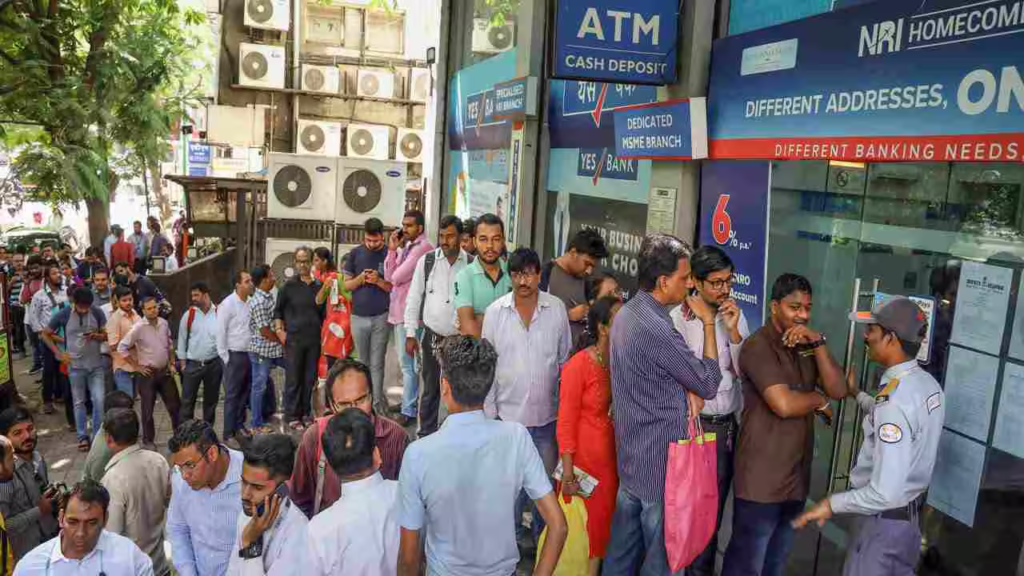
During war or extreme economic instability, governments have a wide range of tools at their disposal, and many of these are legally supported under existing financial and emergency laws, allowing them to act quickly without needing to pass entirely new legislation.
One of the most common measures is the imposition of withdrawal limits, where individuals can only withdraw a fixed amount of cash over a certain period, which may sound manageable at first but becomes extremely restrictive if access to essential goods or services depends on cash availability.
Another measure is the declaration of temporary bank holidays, where banks close for days or even weeks to prevent panic withdrawals, and while digital systems may continue to function in some capacity, they are not immune to disruptions, especially in modern warfare where cyber attacks are a significant threat.
Capital controls are also frequently used, restricting the movement of money across borders, which can trap funds within a country and limit financial flexibility for individuals who might otherwise seek to protect their assets by moving them internationally.
In more extreme scenarios, governments can intervene in financial markets by halting trading, suspending redemptions in mutual funds, or directing institutions to prioritize government borrowing, effectively channeling public money into war financing without directly confiscating individual accounts.
Mutual Funds and Markets: The Illusion of Liquidity
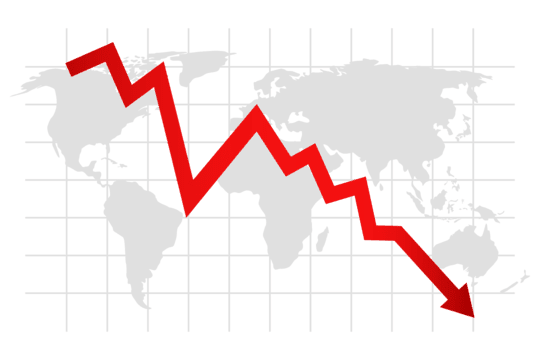
While banks present one set of risks during war, mutual funds and investment markets introduce another layer of vulnerability, because their value is directly tied to market performance, which tends to react sharply and negatively to uncertainty, conflict, and geopolitical instability.
Equity markets can experience rapid declines, sometimes wiping out years of gains in a matter of days, while debt markets can also come under pressure if governments or corporations face increased borrowing costs or credit risks, and in such environments, the concept of liquidity—the ability to quickly convert investments into cash—can become unreliable.
Fund houses may delay or restrict redemptions in extreme conditions, not as a routine practice but as a protective measure, and even when redemptions are allowed, the value realized may be significantly lower than expected, meaning that investors face both access risk and valuation risk simultaneously.
Keeping Cash at Home: Smart Move or Dangerous Gamble?

At first glance, keeping cash at home during war may seem like the ultimate solution to avoid restrictions, delays, and system failures, because physical cash provides immediate access and independence from digital systems, but this approach is far from risk-free and introduces a completely different set of challenges that must be carefully considered.
Cash stored at home is vulnerable to theft, loss, fire, and physical damage, and unlike bank deposits, it is not insured or protected by any formal mechanism, which means that if something happens to it, there is no recovery process.
Moreover, large amounts of cash can lose value rapidly during periods of high inflation, which is common in wartime economies, effectively eroding purchasing power even if the nominal amount remains unchanged, and this is one of the most overlooked risks, because people often focus on access while ignoring value stability.
There is also a practical limitation to how much cash can be stored and used efficiently, especially in a modern economy where large transactions are increasingly digital, and in some cases, governments may even impose restrictions on cash usage to maintain control over financial flows.
How Difficult Is It to Access Money During War?
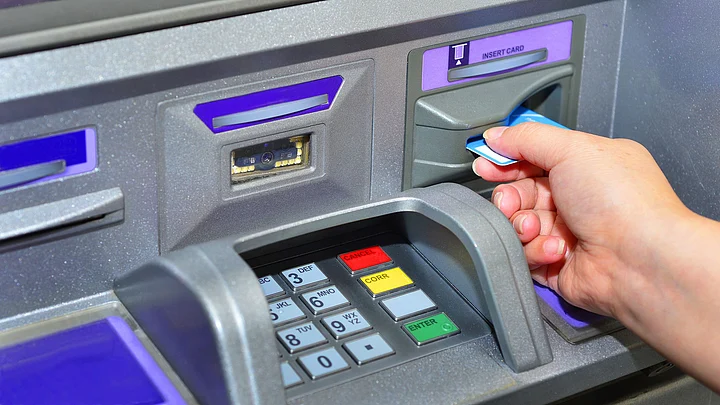
The difficulty of accessing money during war depends on the severity of the situation, but history shows that even in relatively stable countries, access can become significantly restricted under certain conditions, particularly when there is a risk of widespread panic or capital flight.
In moderate scenarios, individuals may face delays, withdrawal limits, or increased scrutiny for large transactions, while in more severe cases, access may be restricted for extended periods, with funds effectively “locked” within the system until conditions stabilize.
The challenge is not just accessing money, but accessing it when you need it most, which often coincides with periods of highest uncertainty, and this timing mismatch is what creates the greatest stress for individuals relying entirely on institutional systems.
The Hidden Cost: Inflation and Currency Devaluation
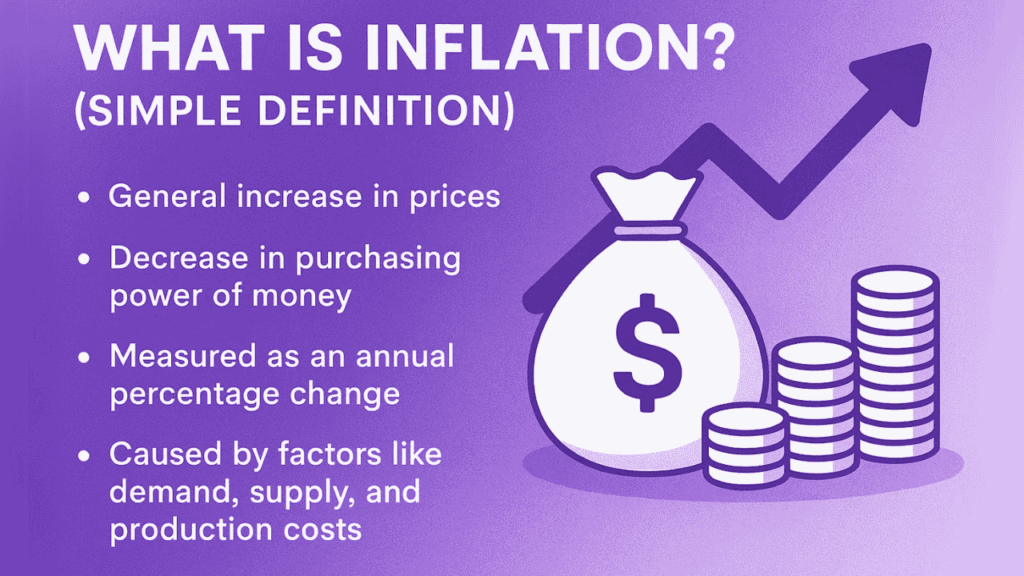
Even if access to money remains technically available, war often brings inflation, currency devaluation, and economic instability, all of which reduce the real value of savings over time, and this is a silent but powerful form of financial erosion that affects both cash holdings and bank deposits.
Governments may increase spending to fund war efforts, sometimes resorting to printing more money or increasing borrowing, which can lead to higher inflation rates, and in such environments, the purchasing power of money declines, meaning that what you can buy with your savings today may be significantly less in the future.
This creates a paradox where holding cash provides access but loses value, while keeping money in investments may preserve long-term growth but exposes it to short-term volatility and access restrictions.
So, What Is the Smart Approach?

The answer is not to choose between cash, banks, or investments, but to recognize that each option carries its own risks and to build a strategy that balances these risks rather than concentrating them in a single place.
Keeping a portion of funds as physical cash can provide immediate liquidity during emergencies, but it should be limited to an amount that covers essential expenses for a defined period, such as a few months, rather than the entirety of one’s savings.
Maintaining bank accounts remains important for security, convenience, and participation in the broader financial system, but diversification across multiple institutions can reduce exposure to any single point of failure.
Investments, including mutual funds, should not be abandoned entirely, because they play a crucial role in long-term wealth preservation and growth, but expectations must be adjusted to account for volatility and potential delays in access during extreme conditions.
Additional Ways to Protect Your Wealth During War
Diversification is the single most effective strategy for financial resilience, and this extends beyond just splitting money between cash and banks, to include different asset classes such as gold, which has historically served as a hedge during periods of uncertainty, as well as potentially holding a portion of assets in different currencies or jurisdictions where feasible.
Maintaining a balance between liquidity and growth is essential, because while it is important to have access to funds, it is equally important to ensure that those funds retain their value over time, and achieving this balance requires a thoughtful approach rather than reactive decision-making.
Final Reality: There Is No Perfectly Safe Place

The most important takeaway is that there is no single place where money is completely safe during war, because each option involves trade-offs between access, security, and value stability, and understanding these trade-offs is far more valuable than seeking a perfect solution that does not exist.
Keeping all money at home exposes it to physical risks and inflation, keeping everything in banks exposes it to access restrictions, and keeping everything in markets exposes it to volatility, which means that the safest approach is not about choosing one over the others, but about combining them in a way that minimizes overall risk.
Conclusion: Prepared, Not Paranoid
Preparing for financial uncertainty during war is not about fear, but about awareness and balance, because while extreme scenarios are rare, the consequences of being unprepared can be significant, and taking reasonable steps to protect your financial stability is a rational and responsible approach.
The goal is not to withdraw completely from the financial system or to rely entirely on cash, but to create a diversified, flexible, and resilient financial position that can adapt to changing conditions, ensuring that you maintain both access and value, regardless of the challenges that may arise.

0 Comments