


















There are moments in science when everything suddenly feels closer than it ever did before, when a question that once belonged to science fiction begins to shift into something real, measurable, and deeply unsettling in the best possible way, and right now in 2026, we are standing in one of those moments.
For decades, the idea of finding another Earth has been treated like a distant dream, something reserved for future generations and far-off missions, but new data coming in from the James Webb Space Telescope has started to change that narrative in a way that is hard to ignore.
Researchers have taken a massive catalog of more than 6,000 known exoplanets and narrowed it down to just 45 worlds that show strong signs of being able to hold stable atmospheres, and that single detail changes everything, because without an atmosphere, a planet is just a rock, but with one, it becomes a possibility.
This is why scientists are quietly calling this moment a real-world version of “Project Hail Mary,” not because we have found aliens, but because for the first time, we have a shortlist of places where life could realistically exist within reach of our understanding.
A Careful Disclaimer Before the Excitement
Before going further, it is important to stay grounded, because this is where headlines can easily outrun reality.
These 45 planets are not confirmed to have life, and they are not proven to be Earth twins in the full sense of the word.
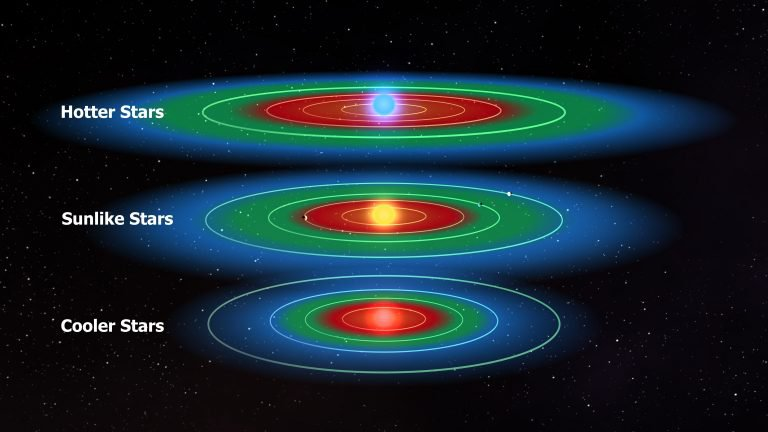
What scientists have identified are high-probability candidates, meaning planets that sit in the right temperature zone, orbit stable stars, and show signs that they could maintain atmospheres over long periods.
That is a huge step forward, but it is still a step, not the finish line.
Why Atmosphere Changes Everything
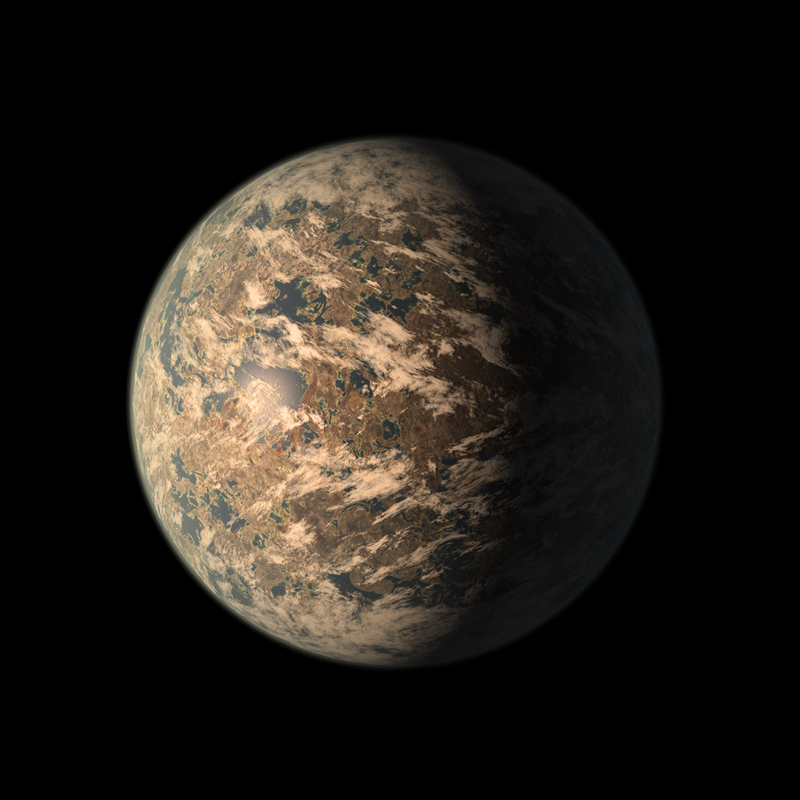
If there is one factor that separates a lifeless world from a potentially living one, it is the atmosphere.
An atmosphere does more than just provide air, it regulates temperature, protects against harmful radiation, and allows chemical reactions that can lead to life.
Without it, even a planet sitting in the perfect location around its star would be exposed, unstable, and hostile.
This is exactly why the latest JWST observations are so important, because instead of simply detecting planets, scientists are now analyzing the gases surrounding them, looking for patterns that suggest stability rather than chaos.
And out of thousands of known worlds, only 45 passed this filter.
The Technology Behind the Breakthrough
At the center of this discovery is the James Webb Space Telescope, a machine that has redefined what is possible in astronomy.
Unlike older telescopes, JWST is designed to observe infrared light, which allows it to detect the faint signatures of gases in distant atmospheres.
When a planet passes in front of its star, a tiny portion of starlight filters through its atmosphere, and JWST can analyze that light to identify elements like water vapor, carbon dioxide, and methane.
This process is incredibly delicate, but it is also incredibly powerful, because it allows scientists to study worlds that are light-years away without ever leaving Earth.
From 6,000 to 45: How the Selection Happened
The journey from thousands of planets to just 45 was not random, it was based on strict criteria designed to eliminate false hope.
Scientists looked at orbital distance, star type, planetary size, and most importantly, atmospheric signals.
Many planets were ruled out because they orbit unstable stars that produce violent radiation bursts, while others were excluded because they are too large, more like gas giants than rocky Earth-like worlds.
In the end, only a tiny fraction remained, and those are the worlds now being studied more closely than ever before.
TRAPPIST-1e: The Closest Familiar Stranger
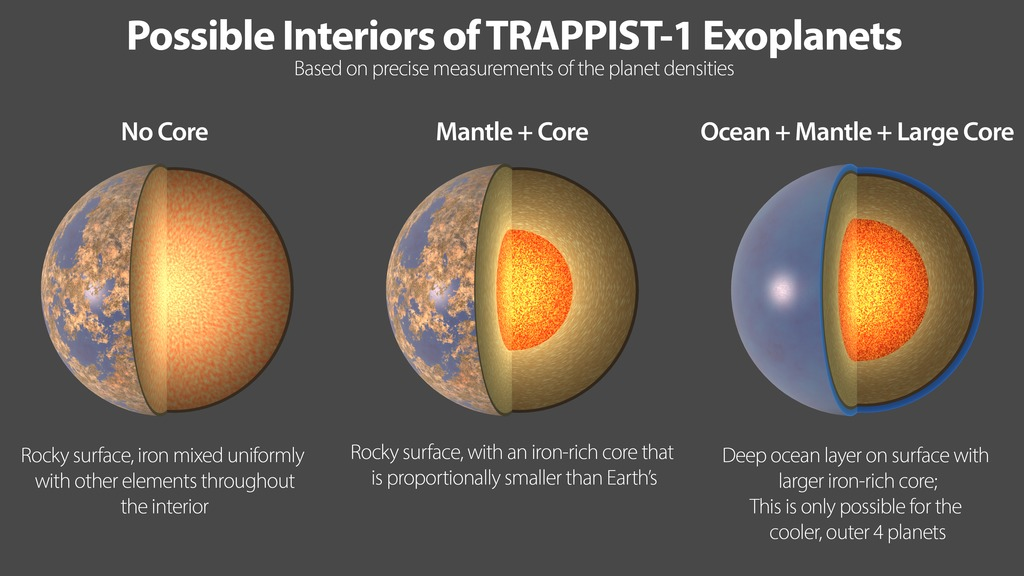
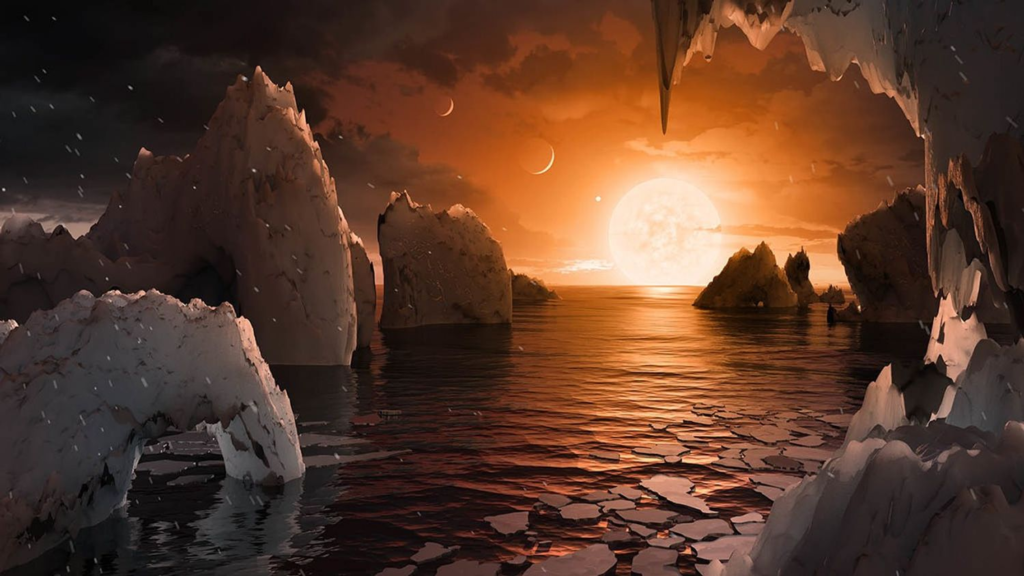
Among the most exciting candidates is TRAPPIST-1e, a planet that has been in the spotlight for years but is now gaining renewed attention thanks to fresh data.
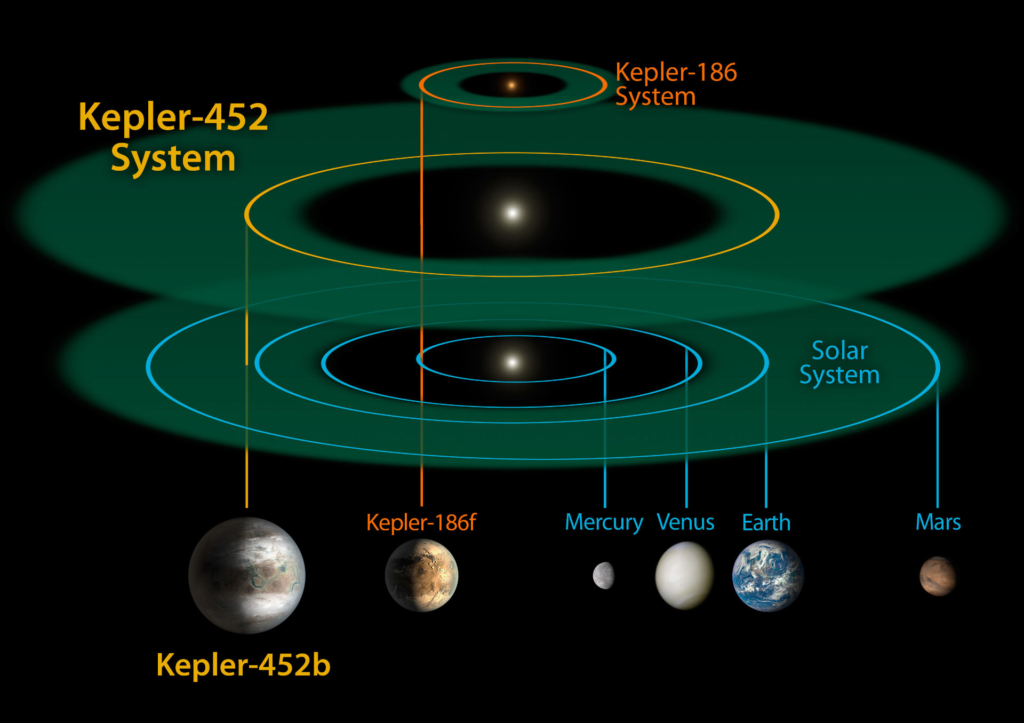
Located in the TRAPPIST-1 system, this planet sits comfortably within the habitable zone, where temperatures could allow liquid water to exist.
Recent observations suggest that it may retain an atmosphere, which makes it one of the strongest candidates for habitability.
What makes TRAPPIST-1e especially interesting is its size and density, both of which are very similar to Earth, making it less of an alien world and more of a distant cousin.
TOI-715b: The Rising Contender
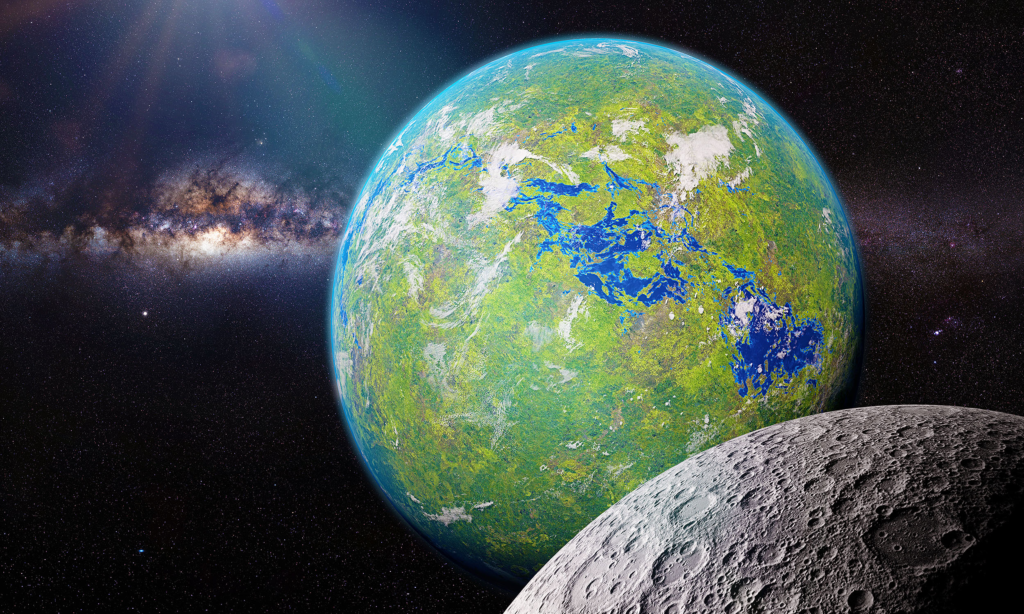
Another name quickly climbing the list is TOI-715b, a planet that has captured attention for its stability and promising conditions.
TOI-715b is slightly larger than Earth, often referred to as a “super-Earth,” but it orbits within a region where temperatures could support liquid water.
Early data suggests that it may have a stable atmosphere, and that alone puts it in the top tier of potential life-supporting worlds.
What excites scientists is not just its size or location, but the consistency of the signals being observed, which point toward long-term stability rather than temporary conditions.
Why This Feels Like a Turning Point
For years, exoplanet discoveries have been about quantity, each new announcement adding to a growing list of distant worlds, but this moment feels different because the focus has shifted from how many planets exist to how many might actually matter.
The number 45 may sound small compared to 6,000, but in reality, it represents a level of precision that was impossible just a few years ago.
This is no longer a blind search, it is a targeted investigation, and that changes how scientists approach the question of life beyond Earth.
The Role of March 2026 JWST Data
The latest wave of analysis comes from updated observations released around March 2026, where improvements in data processing and repeated observations allowed scientists to refine earlier findings.
These updates helped confirm atmospheric signals that were previously uncertain, removing planets that showed inconsistent readings and strengthening confidence in those that remained.
This is how the list became smaller but far more meaningful.
What Scientists Are Actually Looking For
It is not enough for a planet to simply exist in the right place, scientists are searching for specific chemical signatures that could hint at biological activity.
These include combinations of gases that should not naturally coexist unless something is constantly producing them, such as oxygen and methane.
However, detecting these signals is extremely challenging, and no confirmed biosignature has been found yet on these 45 planets.
That is why researchers are cautious, because the line between possibility and proof is still wide.
The Reality Check: Distance Still Matters
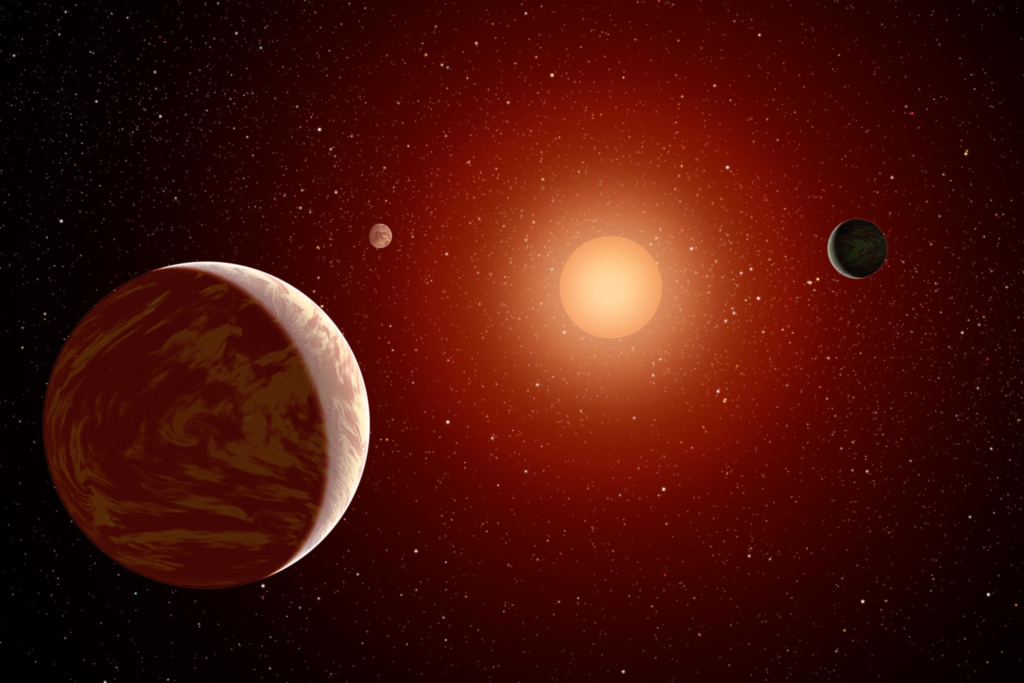
Even with all this progress, there is one limitation that remains impossible to ignore, and that is distance.
Most of these planets are dozens or even hundreds of light-years away, which means that even our fastest spacecraft would take thousands of years to reach them.
This makes direct exploration unrealistic for now, placing all our hopes on remote observation and future technological breakthroughs.
Why the Public Reaction Is Exploding
The idea that there are 45 possible Earth-like worlds has triggered a wave of excitement online, because it turns a philosophical question into something tangible.
People are no longer asking if we are alone in the universe in an abstract way, they are asking which of these 45 worlds might hold the answer.
This shift is powerful, because it makes the search for life feel immediate rather than distant.
The Bigger Picture
What we are witnessing is not just a scientific discovery, but a change in perspective.
Humanity is moving from guessing to identifying, from imagining to measuring, and that shift carries both excitement and responsibility.
Because the closer we get to finding life, the more we have to confront what that means for us.
FAQs
Have scientists found life on these planets?
No, there is no confirmed evidence of life yet.
Why are only 45 planets considered important?
Because they meet strict conditions that suggest they could hold stable atmospheres.
What makes TRAPPIST-1e special?
It is Earth-sized, in the habitable zone, and may have an atmosphere.
Is TOI-715b better than Earth?
Not necessarily, it is just another strong candidate with promising conditions.
Can humans travel to these planets?
Not with current technology, they are far beyond our reach for now.
Final Thought
This is not the discovery of life, but it is the closest we have come to narrowing down where life might exist, and that alone makes 2026 a year that could be remembered as the moment the search became real.

0 Comments