
















By Ronald Kapper | The US News Desk
For more than four centuries, the writings of Nostradamus have stirred fascination, fear, and endless debate. His cryptic quatrains, written in the 16th century, remain among the most mysterious texts ever produced by a human mind. Scholars, historians, linguists, and code-breakers have spent generations trying to decode his hidden meanings, yet many passages remain unresolved even today.
Was Nostradamus simply a poetic observer of history? A master of symbolism? Or did he deliberately hide messages meant for future generations to discover when the time was right?
This investigation explores the lost codes, strange patterns, and unanswered questions buried inside the writings of one of history’s most enigmatic figures.
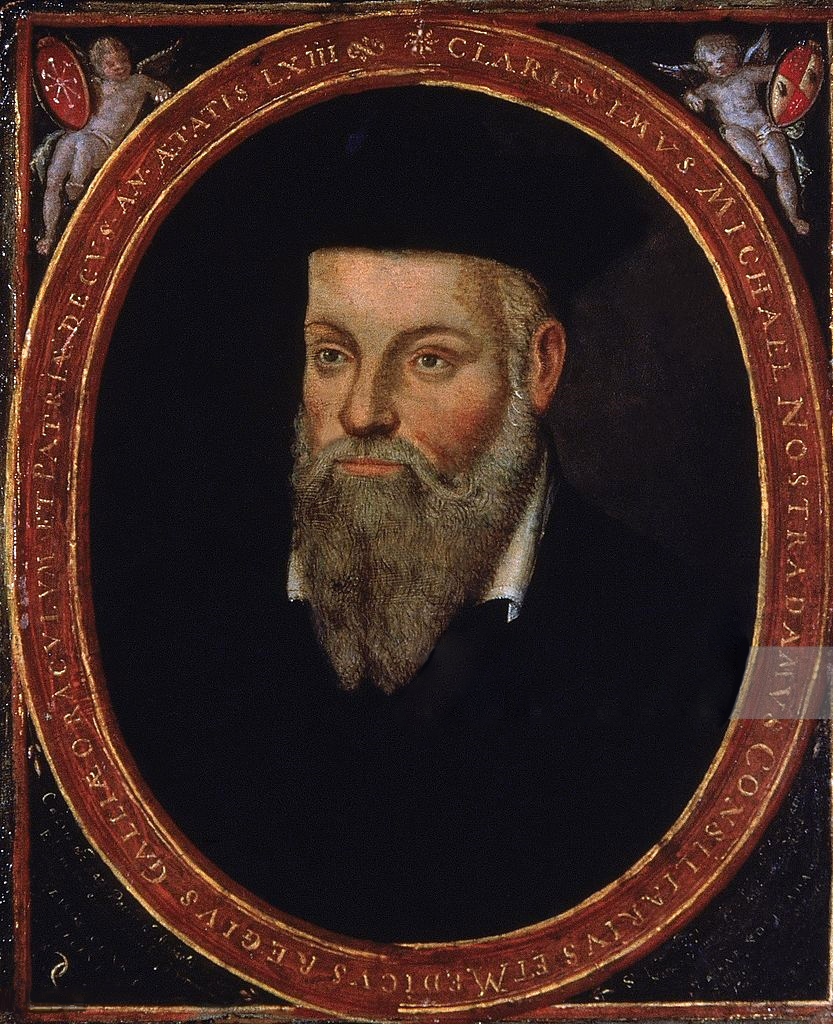
A Man Ahead of His Time
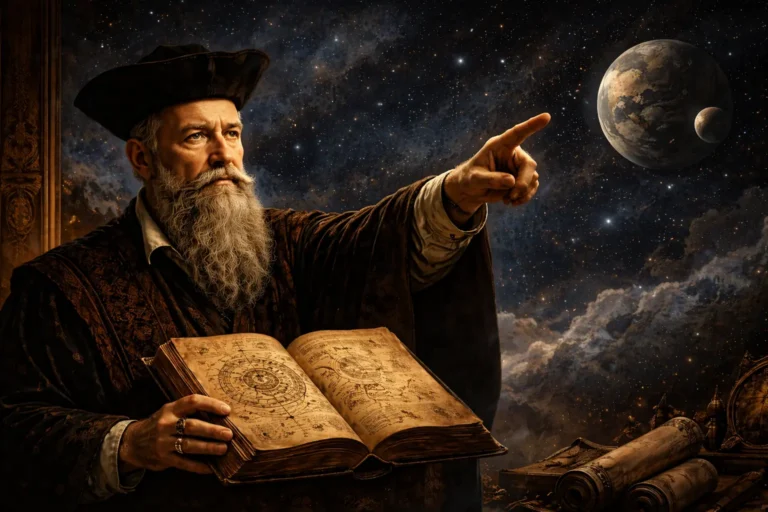
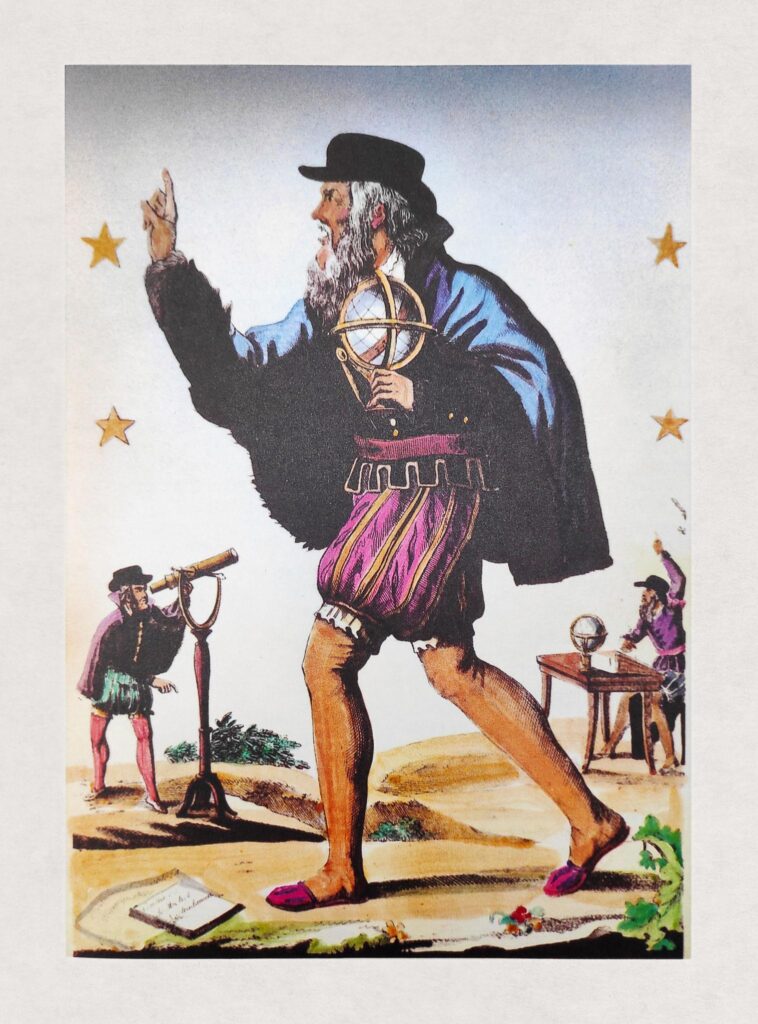
Michel de Nostredame, known to the world as Nostradamus, was born in 1503 in France. He was trained as a physician and became known for studying astronomy, herbal medicine, and patterns of historical events. But what truly cemented his legacy was his book Les Prophéties, first published in 1555.
The book contains nearly 1,000 short poems known as quatrains — each written in obscure, symbolic language. Unlike clear predictions, Nostradamus used metaphors, mixed languages, coded references, and unusual spellings. This deliberate ambiguity is one of the biggest reasons his writings remain difficult to decode.
Many historians believe Nostradamus intentionally concealed meanings to avoid persecution during a time when prophecy and unconventional knowledge could lead to severe punishment.
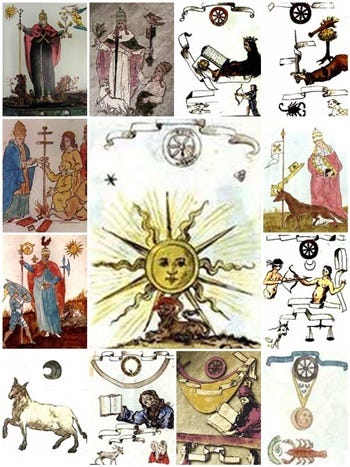
The Structure of the Hidden Codes
One of the most puzzling aspects of Nostradamus’ writings is the layered structure of his messages. His quatrains often contain:
- Mixed languages, including Old French, Latin, Greek, and Italian
- Anagrams and rearranged letters
- Astrological references tied to specific planetary alignments
- Symbolic geographical clues
- Repeated numerical patterns
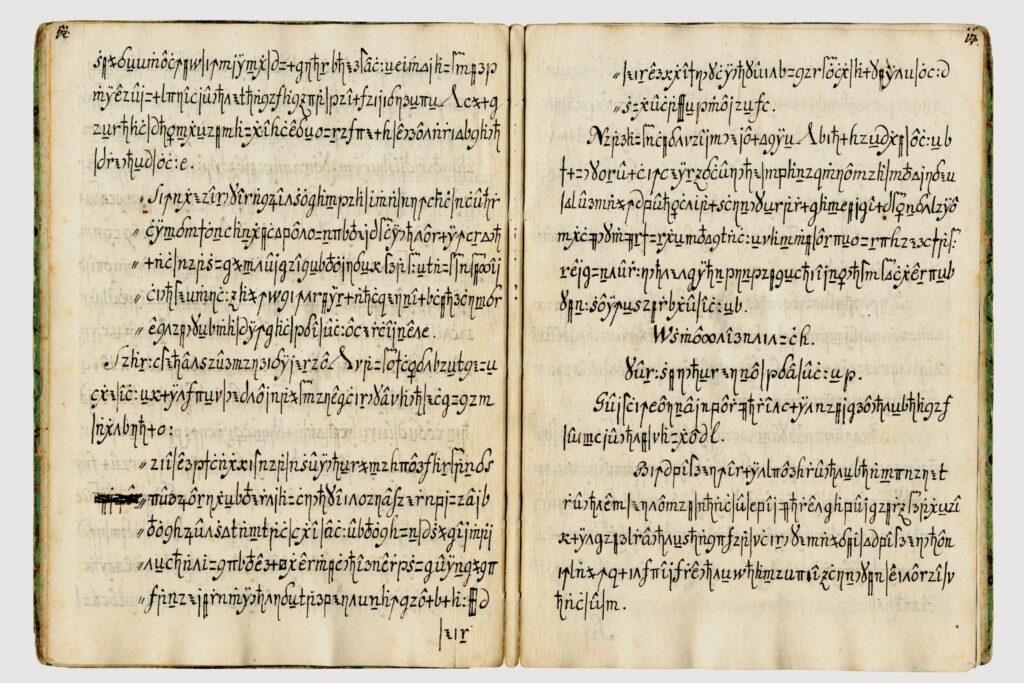
Modern researchers who have studied the original manuscripts discovered that some words were deliberately misspelled in ways that create alternate meanings when rearranged. This suggests Nostradamus may have embedded hidden layers of interpretation rather than a single clear message.
Even today, advanced linguistic analysis has not fully decoded many of these passages.
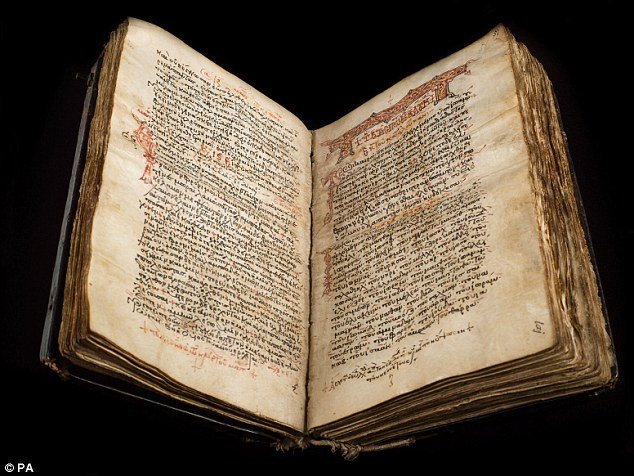
Messages Hidden in Symbolism
Nostradamus rarely described events directly. Instead, he used symbolic imagery — fire from the sky, iron birds, twin pillars, rivers of blood, burning cities, and great shadows covering the earth.
Some historians argue these were simply poetic devices. Others believe the symbols were intentional codes designed to describe events beyond the knowledge of his time.
For example, repeated references to “fire descending from the heavens” appear across several quatrains. While some interpret this as warfare imagery common in medieval literature, others see it as symbolic of technological warfare or catastrophic celestial events.
Because the imagery is not literal, the meaning often depends on interpretation, which has fueled debate for centuries.
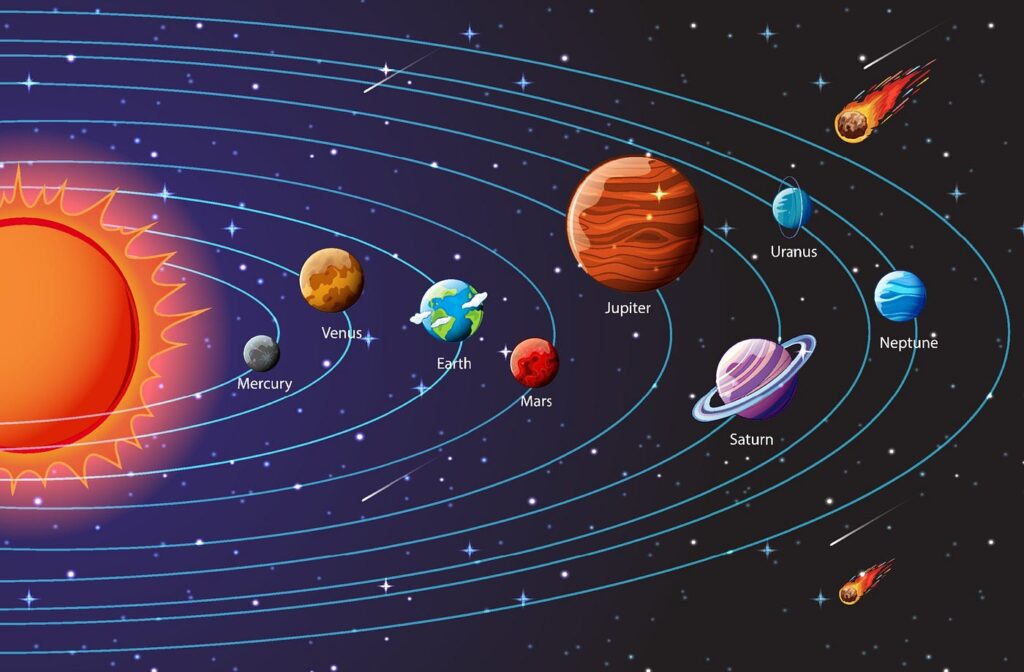
The Role of Astrology in the Codes
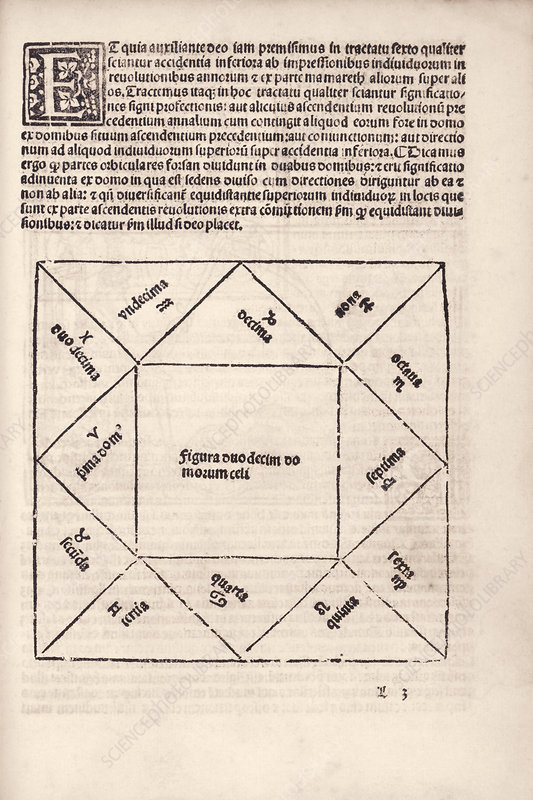
Astrology played a central role in Nostradamus’ work. He carefully recorded planetary alignments, eclipses, and celestial cycles. Many quatrains are believed to correspond to specific astronomical events, suggesting that timing was hidden within the code.
Some modern researchers have attempted to map his writings against historical planetary movements. In a few cases, correlations have been observed between quatrains and real-world events occurring during similar celestial configurations.
However, the majority of these connections remain speculative and unconfirmed, leaving much of his astrological code unresolved.
The Problem of Translation
One of the biggest challenges in decoding Nostradamus lies in translation. His writings were composed in 16th-century French mixed with archaic expressions and regional dialects. Over centuries, translations into modern languages introduced subtle changes in wording, often altering meaning.
Even small translation differences can shift interpretation dramatically. A single word might represent a place, a person, a metaphor, or a coded reference.
Because of this, scholars often return to original manuscripts rather than relying on modern translations. Yet even in the original text, ambiguity persists.
Patterns That Continue to Puzzle Experts
Over time, researchers noticed recurring patterns in Nostradamus’ quatrains:
- Repeated references to cycles of destruction and rebuilding
- Mentions of shifting world power centers
- Imagery of great fires, floods, and celestial disturbances
- Descriptions of “new lands” rising while others fall
While some see these as universal historical themes, others believe they form a coded narrative describing long-term cycles of human civilization.
Despite centuries of study, no single interpretation explains all patterns consistently. This unresolved complexity is what keeps the mystery alive.
Did Nostradamus Intentionally Obscure His Messages?
Many historians believe Nostradamus deliberately made his prophecies difficult to understand. During his lifetime, openly predicting political or religious upheaval could have led to accusations of heresy.
By encoding his writings in symbolism, mixed languages, and cryptic imagery, Nostradamus may have ensured his work survived while revealing its meaning only to those willing to study deeply.
Some researchers even suggest his quatrains were meant to be interpreted differently by each generation, unfolding new meanings as history progressed.
Modern Technology Meets Ancient Mystery
In recent years, artificial intelligence, linguistic modeling, and pattern analysis have been applied to Nostradamus’ writings. Researchers hoped technology might reveal hidden structures humans missed.
While AI has identified recurring linguistic patterns and structural symmetry within the quatrains, no definitive decoding has emerged. The texts remain resistant to full interpretation, suggesting either extreme complexity or intentional ambiguity.
Even with modern tools, the mystery remains unsolved.
The Psychology Behind the Mystery
Part of Nostradamus’ enduring influence may lie not only in his writings but in human psychology. People naturally seek patterns and meaning, especially in uncertain times. Cryptic language invites interpretation, allowing each era to see its own reflection within the text.
This psychological element may explain why Nostradamus’ writings continue to feel relevant centuries later, even when interpretations vary widely.
Skepticism and Scientific Perspective
Many historians and scientists caution against treating Nostradamus as a predictor of specific future events. They argue his quatrains are intentionally vague and open to interpretation, making them adaptable to many situations.
From a scientific standpoint, no conclusive evidence proves Nostradamus possessed knowledge beyond historical observation, astrology, and symbolic writing. Yet the persistence of unresolved codes keeps the debate open.
The Enduring Enigma
More than 450 years after his death, Nostradamus remains one of history’s most mysterious figures. His writings continue to challenge scholars, inspire speculation, and resist full explanation.
Were his hidden codes a protective disguise, a philosophical puzzle, or simply poetic ambiguity? The answer remains unknown.
What is certain is that the lost codes of Nostradamus have not been fully understood — and perhaps that was his intention all along.
Frequently Asked Questions
Who was Nostradamus?
Nostradamus was a 16th-century French physician and writer best known for his cryptic book Les Prophéties, containing symbolic quatrains that continue to be studied today.
Did Nostradamus write in code?
Many scholars believe he used symbolic language, mixed languages, and deliberate ambiguity, which function like coded messages.
Have his writings been fully decoded?
No. Despite centuries of research, many quatrains remain unresolved and open to interpretation.
Was Nostradamus predicting real events?
Historians remain divided. Some see patterns matching historical events, while others believe interpretations are shaped by hindsight.
Why do his writings remain popular today?
The combination of mystery, symbolism, and psychological pattern recognition keeps his work relevant across generations.

0 Comments